

6 Pregnancy Myths That Only Confuse You (And What’s Actually True)

During pregnancy, you’ll come across countless pieces of advice, warnings, and “well-proven methods” — and among them, there are more than a few pregnancy myths hiding in plain sight. Sometimes it’s hard to tell what’s actually worth taking seriously and what’s simply been passed down from generation to generation.
A single pregnancy myth can easily create doubt, especially when you’re already trying to make the best possible decisions in everything. That confusion is completely understandable. Expecting moms are often faced with conflicting advice from family, friends, and the internet — all at the same time.
That’s exactly why I’ve gathered the most common pregnancy myths for you — so we can look at them together, separate what’s true from what isn’t, and let go of what you simply don’t need to carry.

1.) Hair Dye, Massage, Exercise – What’s Actually True?
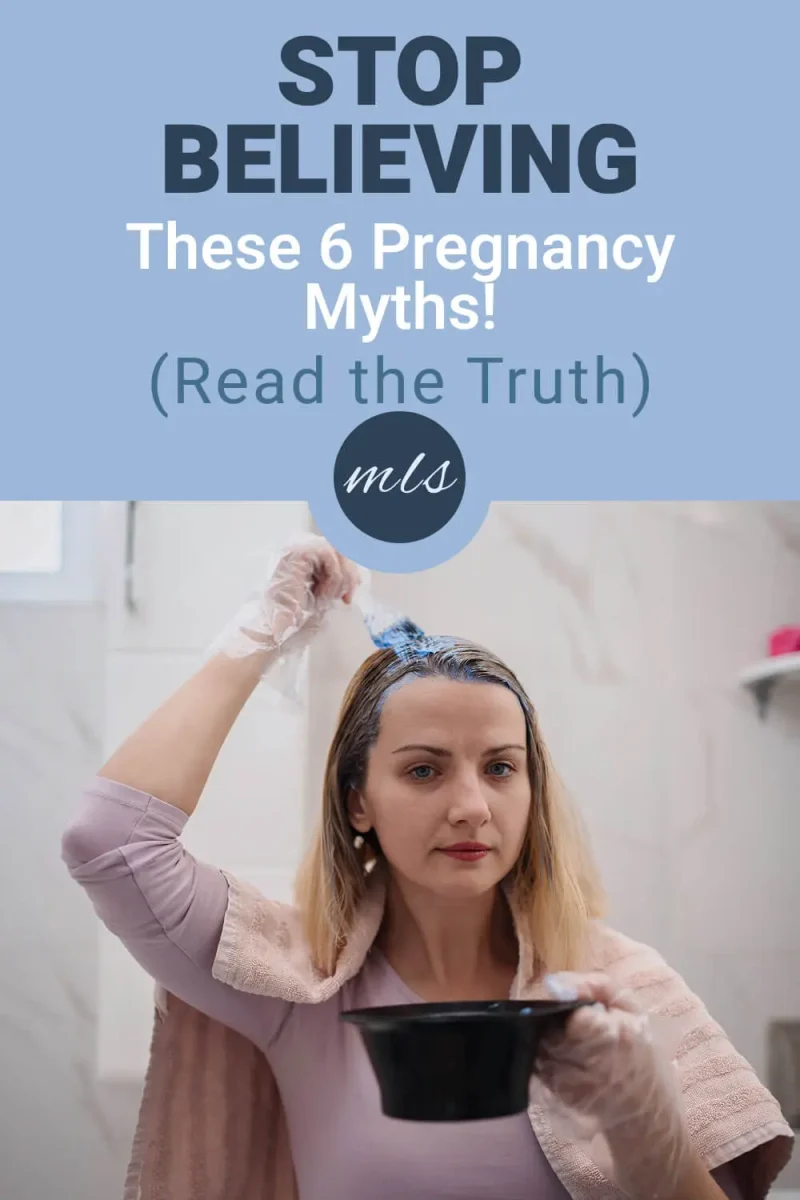
One of the most common pregnancy myths is that hair dye is dangerous for your baby. The reality is more nuanced. Research hasn’t clearly proven harmful effects, but it’s still wise to be more cautious during the first trimester — not because it’s known to be unsafe, but because we don’t know exactly how much of the chemicals are absorbed into the body.
If you still choose to dye your hair, opt for a well-ventilated space and gentler products whenever possible. Highlights can also be a safer alternative, since the dye doesn’t come into direct contact with your scalp. It’s also worth noting that your hair can change during pregnancy, so the color may not turn out exactly as it used to.
There’s also a lot of uncertainty around massage, but this is another typical pregnancy myth. A professional prenatal massage can actually be highly beneficial — helping you relax, ease physical discomfort, and recharge mentally. Of course, if you have any medical concerns, it’s always best to check with your doctor first.
Exercise is often misunderstood as well. Many people believe you should rest during pregnancy, but in reality, the right kind of movement supports your body and overall well-being. This pregnancy myth is especially common. If you were active before, there’s no need to stop completely — just adjust the intensity. And if you’re just starting, prenatal workouts, yoga, or pilates are great, safe options.

2.) Baby Gender Myths and What Your Body Is Really Telling You
You’ve probably heard this one before: if you have heartburn, your baby will have a lot of hair. It’s one of the most common pregnancy myths — it sounds convincing, but there’s no real scientific evidence behind it. In reality, heartburn is much more about the physical changes in your body, as your growing uterus puts increasing pressure on your stomach.
Another widely believed idea is that the shape of your belly reveals your baby’s gender. A round belly means a girl, a pointy one means a boy — at least according to the myth. But in truth, your belly shape is determined by your baby’s position, not their gender.
Food cravings are also often “decoded.” Craving salty foods? It must be a boy. Sweet foods? Definitely a girl. Sound familiar? This is another classic pregnancy myth. The truth is, cravings are completely individual and have nothing to do with whether you’re having a boy or a girl.

3.) X-Rays During Pregnancy: What’s Safe and What Actually Matters
There’s also a lot of fear around X-rays, with many believing that any type of X-ray is automatically dangerous during pregnancy. The reality is more nuanced. Modern dental X-rays involve very low levels of radiation, and with proper protection, they can be performed safely when necessary.
In fact, an untreated dental issue can often pose a greater risk than the X-ray itself. A decaying tooth, for example, can act as a source of infection in the body, potentially affecting both the mother and the baby.
On top of that, hormonal changes during pregnancy can cause tooth decay and gum inflammation to progress more quickly, which is why prevention and timely treatment are especially important during this time.
👉If you’re thinking about the bigger picture of health — not just during pregnancy, but even before — it’s worth exploring this as well: Male Fertility Under the Microscope – What to Focus on If You’re Trying for a Baby. Because preparation doesn’t only start with pregnancy, and understanding both sides of fertility can make a real difference on the journey to parenthood.

4.) Skincare and Everyday Choices – What Really Matters?
During pregnancy, your skin will almost certainly react to hormonal changes. Some people choose to stop using everything, while others believe anything goes — but the truth usually lies somewhere in between. Your facial skin may become more sensitive, so it’s best to lean toward gentle, skin-friendly products. Breakouts are also common, but this is exactly when it’s important to avoid certain ingredients that could be harmful to your baby.
The same kind of balance applies to fragrances. Perfumes and essential oils aren’t completely off-limits, but moderation is key. Strong scents can easily trigger nausea or discomfort, so in many cases, lighter, more subtle options feel much better.

5.) Pregnancy Myths About Food and Travel (And What’s Actually Safe
When it comes to nutrition, one of the most common pregnancy myths is that you need to “eat for two.” In reality, there’s no need to double your intake — an extra ~300 calories per day is usually enough. What matters far more is what you eat, not how much. A balanced diet rich in vegetables, fiber, and nutrients provides real support for your body during this time.
Seafood isn’t off-limits either, but awareness is important here as well. It’s best to avoid raw or undercooked options, so instead of sushi, a safer choice would be something like grilled fish. And yes — you can fly during pregnancy. This is another common pregnancy myth that many people automatically believe.
If your health allows it, the second trimester is generally the most comfortable time to travel, when your body feels more stable but isn’t yet under too much physical strain. One important thing to keep in mind is that after around 36 weeks, the risk of labor starting at any time increases, which is why doctors — and airlines as well — typically no longer allow pregnant women to fly beyond that point.
👉 If you’re looking for a little more support when it comes to food, you might want to check this out: 1-Minute Easy Meals That Help Soothe Pregnancy Symptoms. These quick, simple meals don’t just save time — they can also help ease some of the more uncomfortable pregnancy symptoms, especially on days when you have little to no energy.
6.) Your Body Changes – What’s True and What’s Not?
During pregnancy, you’ll come across countless claims about how your body changes — and it’s not always easy to tell what’s true and what’s just another pregnancy myth. For example, you might hear that every pregnancy costs you a tooth. This isn’t true. Changes in dental health are much more closely linked to poor oral care or the effects of nausea and stomach acid, not pregnancy itself.
Another common belief is that your baby “takes calcium” from your teeth — but this is also a typical pregnancy myth.
What is true, however, is that hormonal changes can make your gums more sensitive and prone to inflammation, which is why regular dental check-ups are especially important during this time.
When it comes to your hair, the reality is often the opposite of what you might expect. This is not a pregnancy myth — your hair can actually become thicker and stronger due to hormonal changes.
After birth, though, as hormone levels return to normal, many women experience increased hair shedding. While it can feel alarming, it’s a completely natural process.
There’s also a lot of uncertainty around ultrasounds, even though they are generally considered safe. The principle behind their use is to keep exposure as low as reasonably possible, while still providing the essential information about your baby’s development and well-being.

Most importantly: you don’t have to be afraid of everything
Maybe this is the most important thing to see behind every pregnancy myth: the goal isn’t to live in constant worry. At the same time, your body is doing something incredible. Your blood volume can increase by up to 50%, and your heart is working harder — all natural adjustments to support your baby’s safe development.
And then there’s stress. This is one area where there’s less debate: prolonged, intense stress can have a real impact on your baby. That’s why it’s just as important to care for your emotional well-being as your physical health — because your body isn’t just changing, it’s constantly responding to what’s happening around you.
Pregnancy is a sensitive yet completely natural state. The more conflicting information you come across, the easier it is to feel overwhelmed — and the more unnecessary fears can build up. But in the end, what matters most is this: you don’t have to fear everything to do this well.
👉If you’d like to walk this journey feeling more prepared, more confident, and a little less worried, visit the Little Lifesavers page and explore our free downloadable resources. They’ll help you stay organized, plan ahead, and create the kind of calm and clarity you need most right now.
👉And if you’re looking for calm, trustworthy guidance throughout your pregnancy — from early symptoms to preparation for birth — you’ll find more supportive, real-life content in our Pregnancy section.