
Postpartum Recovery: How to Heal, Rest, and Find Yourself Again
Postpartum recovery isn’t a luxury—it’s the foundation for staying healthy and emotionally balanced as a new mom. During those first few weeks, your body is doing an incredible amount of work behind the scenes. It’s healing, adapting, and slowly finding its way back after pregnancy. At the same time, you’re caring for a newborn who depends on you around the clock.
That’s exactly why it’s so important to care for yourself, too—because when you’re running on empty, everything feels harder. The real question is this: Will you allow yourself the time to heal, or will you expect yourself to jump right back into your old routine? I remember bringing our baby home from the hospital, convinced I could somehow do it all—care for my newborn, keep the house in order, and still find time for myself.
It only took a few days to realize that it doesn’t happen automatically. I had to make a conscious decision to prioritize my own recovery, because no one else could make that choice for me. For nine months, your body worked tirelessly to grow and protect your baby.
Now it’s quietly taking on a different job: repairing tissues, shrinking your uterus, rebalancing your hormones, and recovering from childbirth—all while you’re caring for a newborn day and night. That’s why postpartum recovery isn’t selfish—it’s the foundation that allows you to become a healthy, energized, and confident mom for the long run.
Give Your Body Time to Heal
Whether you had a vaginal birth or a C-section, your body needs rest, patience, and gentle care during those first few weeks. If you had an episiotomy, continue caring for the incision at home just as you did in the hospital. After washing, gently pat the area dry with a clean towel, and always wash your hands before touching the wound.
If sitting feels uncomfortable, applying a cold pack can help reduce pain and swelling. However, if the pain hasn’t improved after two weeks—or starts getting worse—it’s important to contact your healthcare provider. Constipation and hemorrhoids are also very common after childbirth. A glycerin suppository or an over-the-counter hemorrhoid cream can provide significant relief, so there’s no reason to suffer through the discomfort in silence.
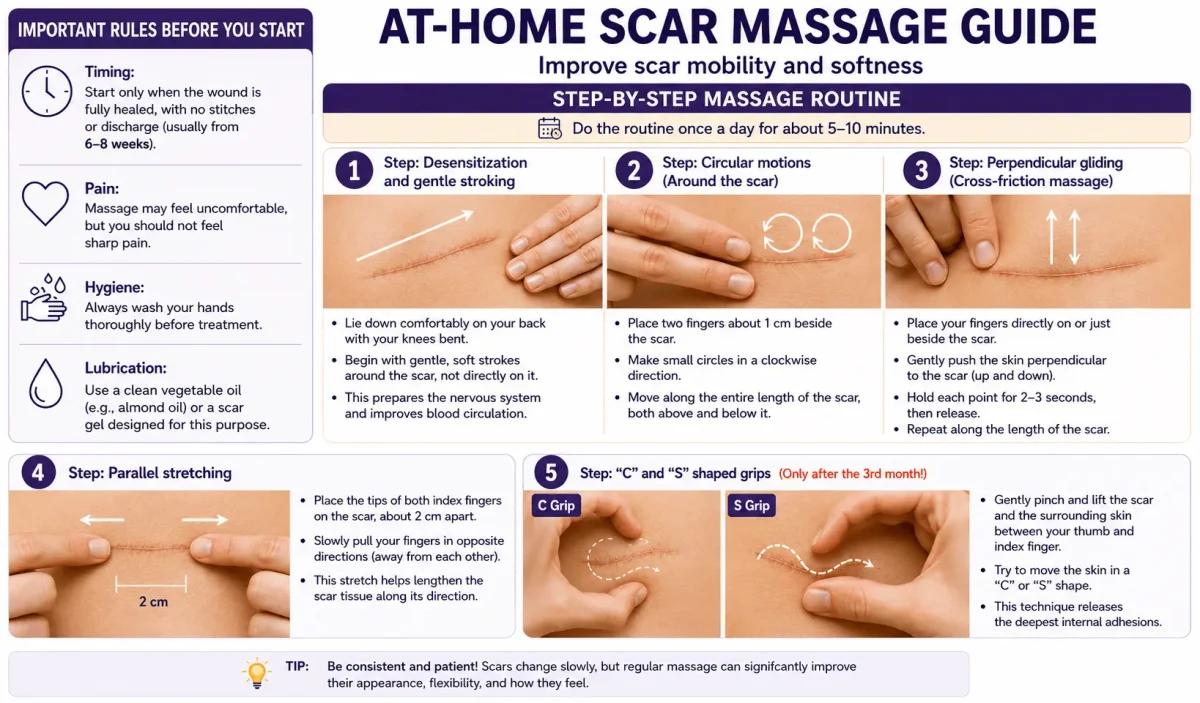
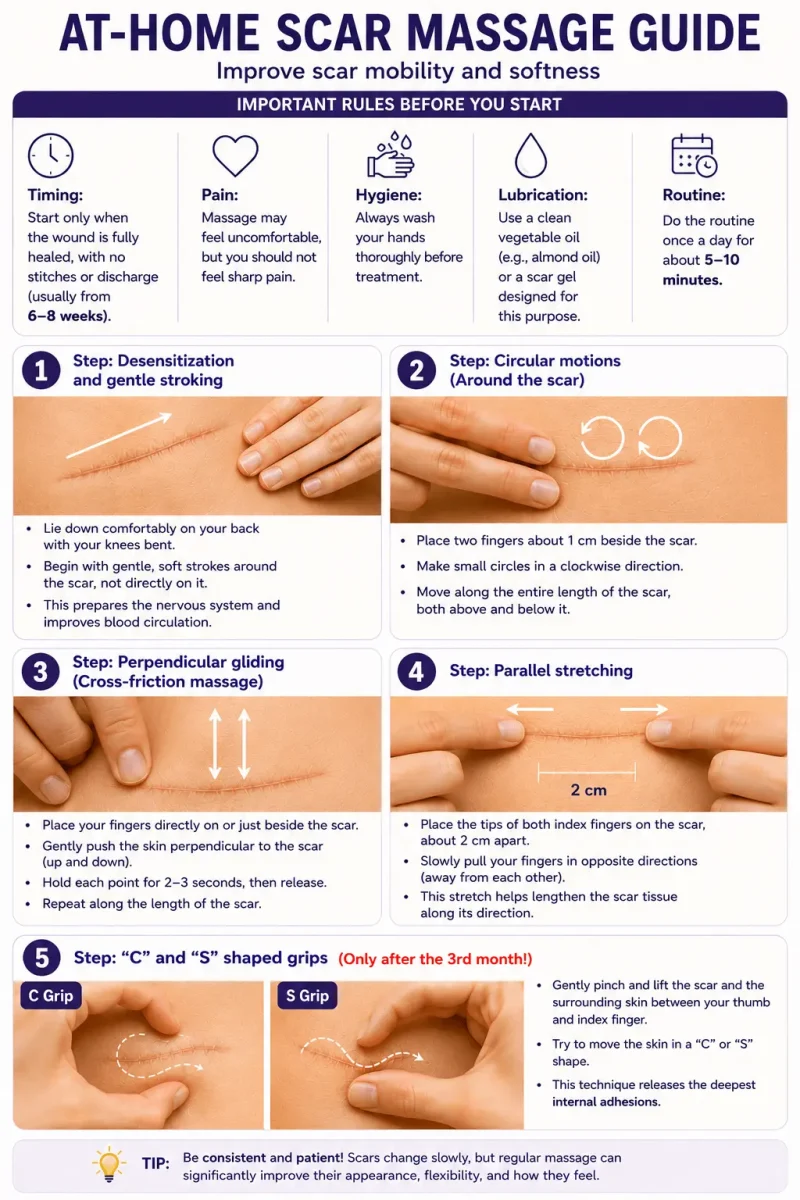
I had a C-section, and for a few days after my stitches were removed, my incision continued to drain slightly. It worried me at first, but I soon learned that this can be completely normal. I kept the area clean with warm water and a gentle soap, covered it with a dressing for a few days, and it gradually healed on its own. Later, I started gently massaging the scar with almond oil using small circular motions.
The improvement wasn’t immediate, but over the following weeks and months, the scar became noticeably softer and less visible.
What surprised me even more was the numbness around the scar. For a long time, I could barely feel part of my lower abdomen, and at first, I didn’t know this was a common part of recovery. The nerves simply need much longer to heal than the skin itself.
In my case, it took almost two years before the feeling fully returned. That experience reminded me that your body doesn’t heal on a schedule—it heals at its own pace, and that’s something worth respecting.
Your Body Will Find Its Shape Again—Don’t Rush the Process
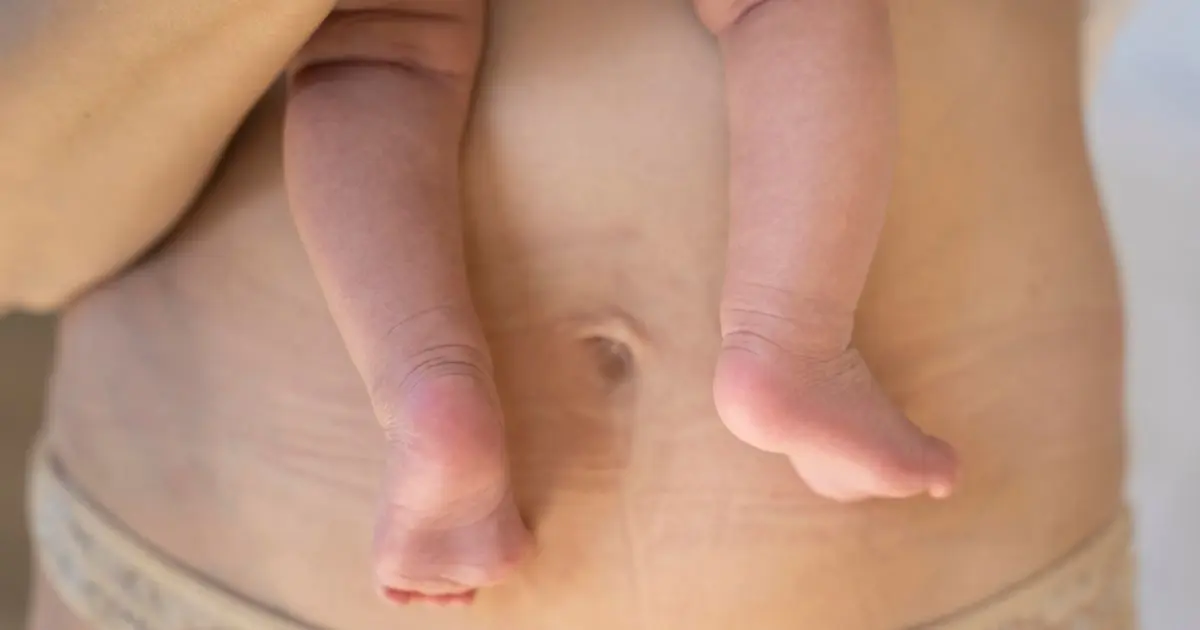
One of the most emotional parts of postpartum recovery for many moms is seeing how much their body has changed. The first time you look in the mirror, it can feel like nothing has changed at all—but the truth is, your body has already begun doing an incredible amount of healing behind the scenes.
Childbirth itself usually results in a loss of about 13 pounds (6 kg), and as your uterus gradually returns to its pre-pregnancy size, you’ll naturally lose another 4–7 pounds (2–3 kg). For most women, that means only a few extra pounds remain, and those are much easier to lose with patience and balanced nutrition than with restrictive dieting.
During this stage, I found it worked much better to eat four smaller meals instead of two large ones. I didn’t eliminate any food groups—my meals still included lean meat, fish, eggs, dairy, vegetables, fruit, and healthy carbohydrates. I also added a mid-morning snack and an afternoon snack, drank plenty of water, and chose steaming or baking instead of frying whenever possible.
I didn’t avoid sugary, highly processed, or greasy foods because they were “off-limits.” I avoided them because they simply didn’t make me feel good. At this stage, my body didn’t need a crash diet—it needed energy, proper nutrition, and time to heal.
Move Gradually—This Isn’t the Time to Focus on Performance
During postpartum recovery, it’s completely normal if the last thing you want to do during the first few weeks is exercise. Your body is still healing, and right now, rest is far more important than following a workout routine. For at least the first six weeks—and ideally the first two months—avoid lifting anything heavier than your baby, and save running or other high-impact activities for later.
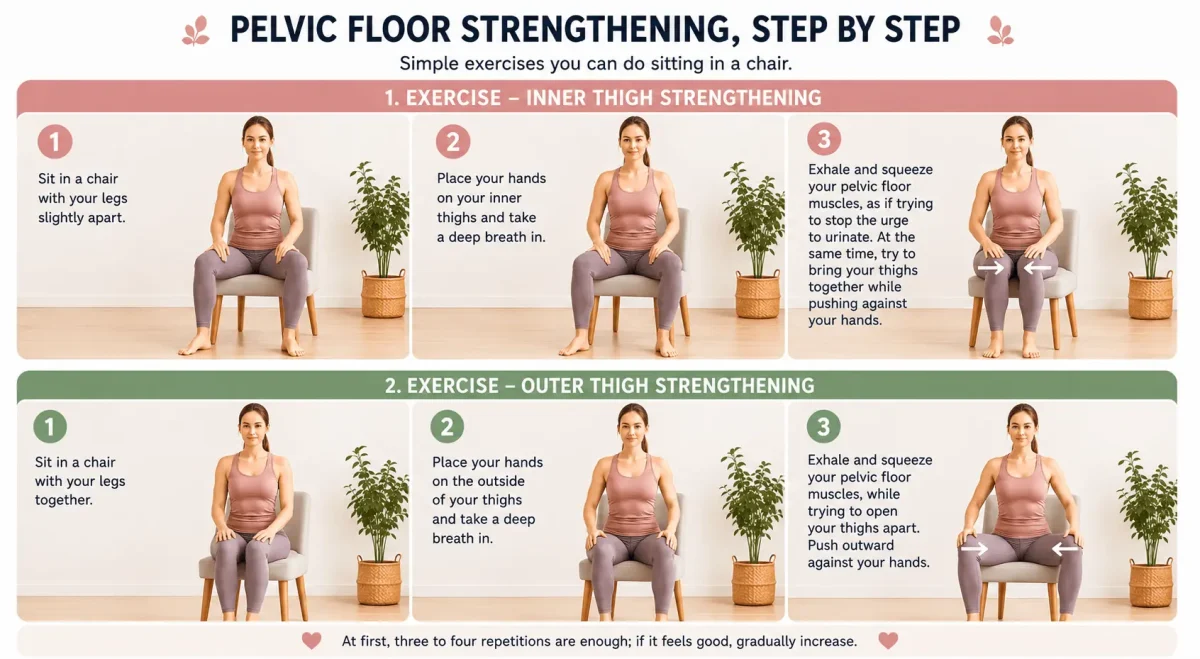
However, gentle pelvic floor exercises can usually be introduced quite early. Even a few repetitions each day can make a difference. Simply tighten your pelvic floor muscles as if you’re trying to stop the flow of urine. This simple exercise improves circulation, supports healing, and gradually helps restore strength to your pelvic floor muscles.
Your abdominal muscles, on the other hand, need time to recover. In most cases, they require about six weeks to begin naturally coming back together, so there’s no benefit in rushing the process. Until then, a simple breathing exercise is all you need: lie on your back with your knees bent, take a deep breath in, then slowly exhale while gently drawing your belly button toward your spine and lightly engaging your core.
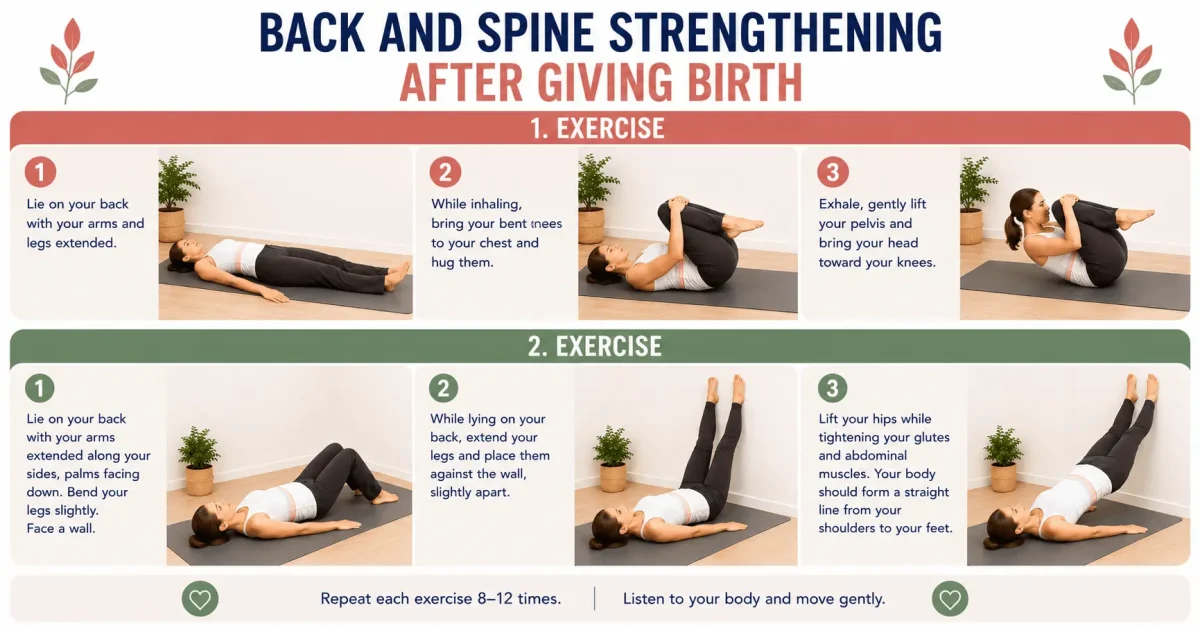
As you begin to feel stronger, you can gradually add gentle back-strengthening exercises to help relieve the strain pregnancy placed on your lower back. If you have diastasis recti (abdominal separation), it’s worth working with a pelvic health physical therapist or another qualified specialist to make sure you’re doing exercises that support healing without putting unnecessary strain on your recovering body.
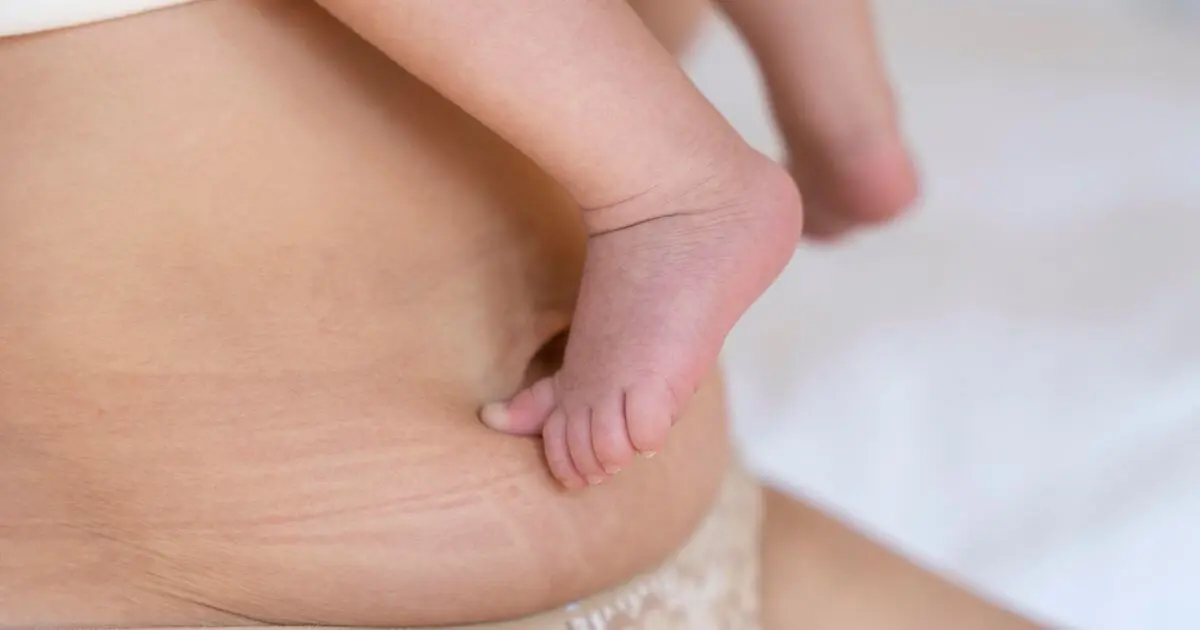
Recovery Is About More Than Just Your Belly
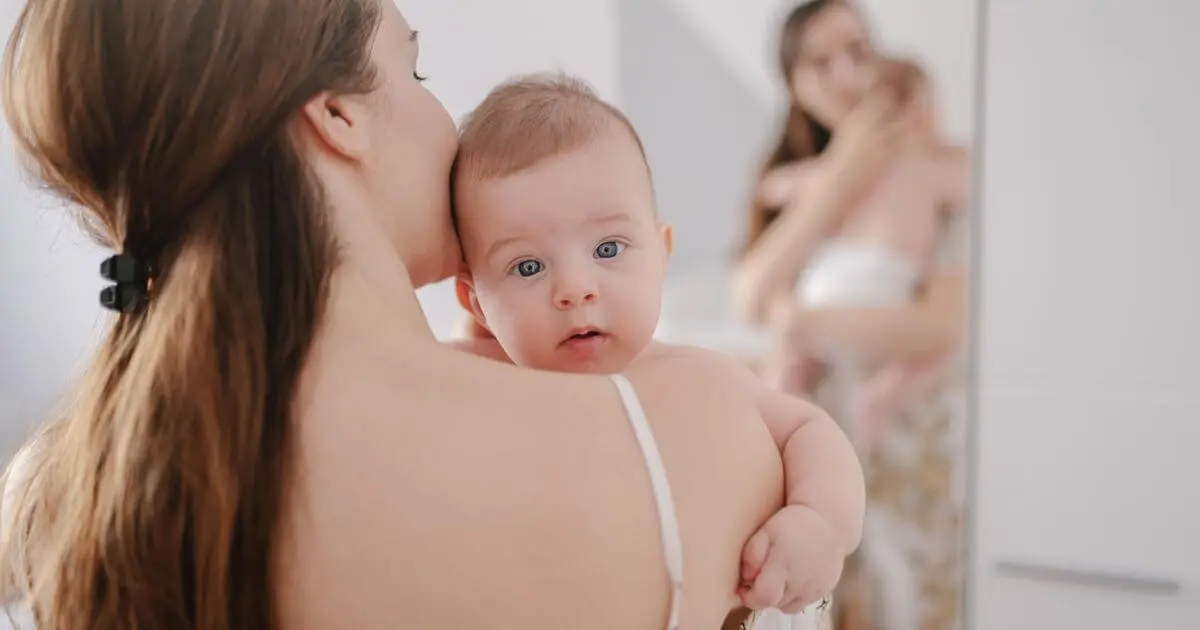
Postpartum recovery isn’t just about healing your abdomen. Your breasts, hair, and even your skin may go through noticeable changes during the months after giving birth—and honestly, no one prepared me for that. I was surprised to see that after breastfeeding, my breasts felt less firm, and a few months later, my hair started falling out in handfuls.
The good news is that your breasts often regain much of their shape as your hormones gradually return to normal. Cold water massage, chest-strengthening exercises, and maintaining good posture can all help improve firmness. One simple exercise I do regularly is pressing my palms together in front of my chest and holding the pressure for a few seconds, repeating it about ten times.
I often finish with a quick cold shower, which feels refreshing and invigorating. Hair loss can be even more alarming, especially when you notice large amounts of hair in your brush or shower drain. In most cases, though, postpartum hair loss is a completely normal hormonal change and usually resolves on its own over time. For me, regular trims and taking a brewer’s yeast supplement made a noticeable difference.
Strengthening your back and spinal muscles is just as important, as they were placed under significant strain throughout pregnancy. The simple exercises below help strengthen these muscles, improve your posture, and reduce the everyday discomfort caused by the physical demands of caring for your baby.
However, if your hair loss continues for several months or seems unusually severe, it’s a good idea to talk to your healthcare provider or a hair restoration specialist.
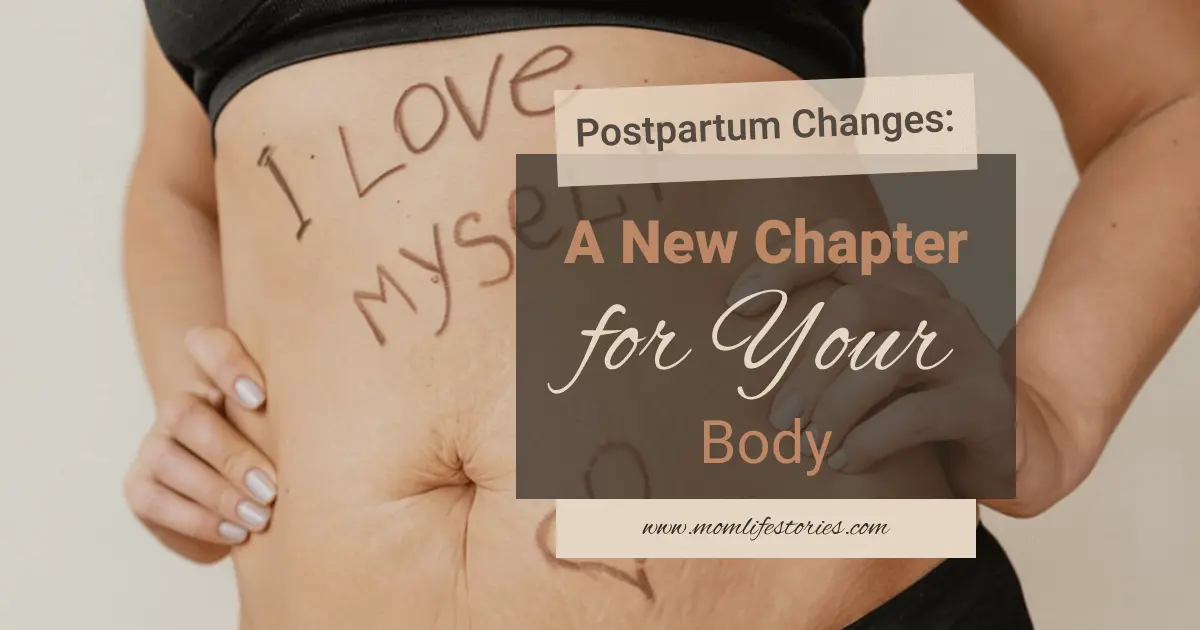
👉 Wondering what other changes are completely normal after giving birth? Your body goes through far more than just physical healing. 👉Postpartum Changes: A New Chapter for Your Body to learn what to expect during the weeks and months after childbirth—and why many of these changes are a natural part of recovery.
The Most Powerful Part of Recovery Is Rest
During those first two or three weeks, I consciously put everything on hold that could wait. I didn’t vacuum, carry heavy things, or worry about keeping the house perfectly clean. I realized that our home was still a home, even if everything wasn’t spotless for a little while. Your body spent nine incredible months growing and nurturing your baby.
Now, it needs time to heal. Your pelvic floor, abdominal muscles, back, and your entire body are asking for one thing: patience.
Feeling exhausted during this stage is completely normal—it’s simply the result of recovering from childbirth while caring for a newborn at the same time.
For me, even ten quiet minutes on the balcony with a cup of tea made a difference.
My to-do list didn’t get any shorter, but I felt calmer, more balanced, and more like myself again. And my baby seemed to benefit from that calmer version of me, too.
One of the questions I hear most often is, “When can I start exercising again?” My answer is always the same: when your body tells you it’s ready. During the first six weeks—and often for the first two months—it’s best to avoid intense workouts.
Postpartum recovery isn’t a race, and there’s no deadline you have to meet. What matters isn’t how quickly you fit back into your pre-pregnancy jeans. What matters is returning to everyday life gradually, comfortably, and on a strong, healthy foundation. Looking back, I’m so glad I didn’t rush the process. My progress may have been slower, but my body rewarded every bit of patience I gave it.
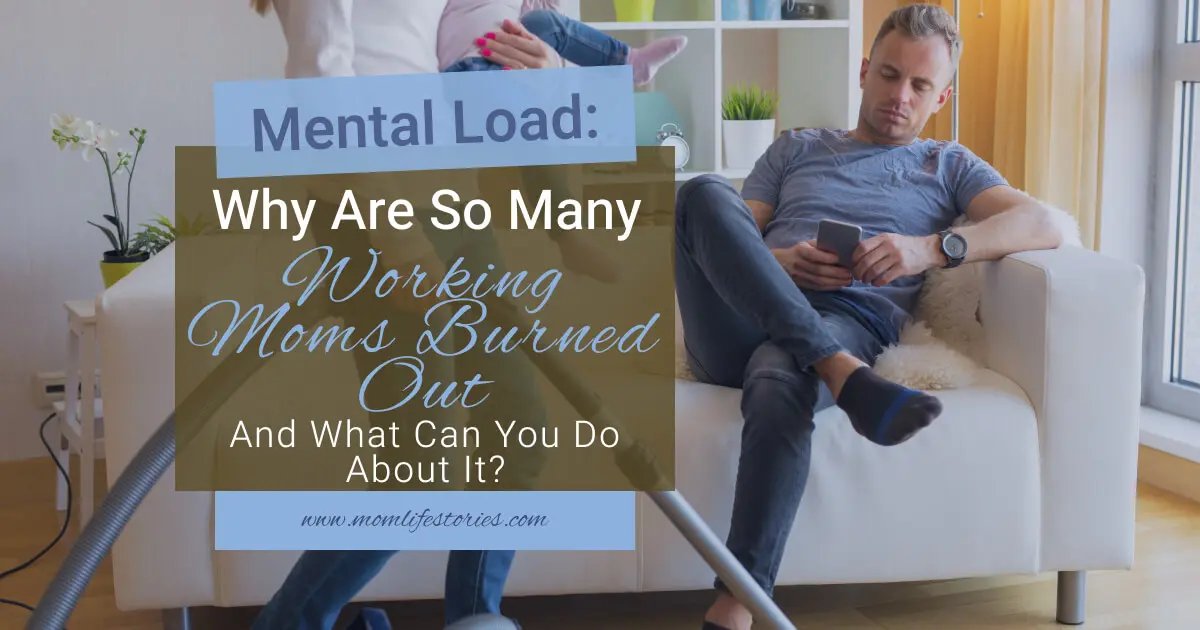
👉 Do you feel like you’re carrying the invisible weight of everything—even while you’re trying to recover after giving birth? Postpartum recovery isn’t just physical. The constant mental load of remembering, planning, and managing everything can make healing even harder.👉 Mental Load: Why Are So Many Working Moms Burned Out—And What Can You Do About It? to discover why so many moms feel overwhelmed and learn practical ways to lighten the invisible load.
Frequently Asked Questions About Postpartum Recovery
👉If you’d like to walk this journey feeling more prepared, more confident, and a little less worried, visit the Little Lifesavers page and explore our free downloadable resources. They’ll help you stay organized, plan ahead, and create the kind of calm and clarity you need most right now.
👉And if you’re looking for stories and support that speak to the emotional side of motherhood — beyond diagnoses and definitions — you’ll find more honest, real-life reflections in our Motherhood section.