
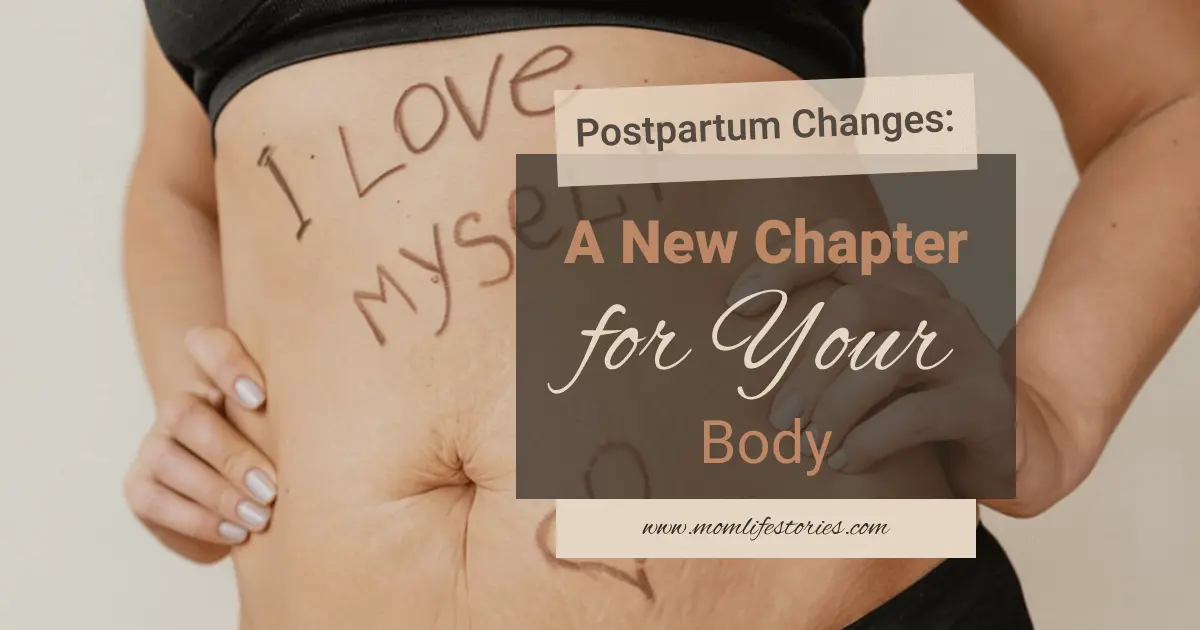
Postpartum Changes: A New Chapter for Your Body
The birth of a child is a beautiful, life-changing experience — yet postpartum changes often arrive quietly, without explanation. Most people talk about the joy of pregnancy and the magical first moments with your baby, but far less is said about incontinence, decreased libido, or vaginal dryness. And yet, these are very real parts of the postpartum journey.
Postpartum changes are your body’s natural response to the incredible work it has done — even if they sometimes feel uncomfortable or unexpected. This truly is a new chapter: not only in motherhood, but in your relationship with your own body. You deserve to understand what is happening inside you.
It’s time to speak openly about the “awkward” questions you may have been afraid to ask. Because what you are experiencing is not unusual, not rare, and certainly not shameful — it is a completely normal part of postpartum recovery.
Intimacy and Hormones: When Desire Takes a Back Seat
After giving birth, many new mothers are surprised by how little sex is on their minds. One of the most common — and least talked about — postpartum changes is a decrease in sexual desire.
This shift is largely hormonal. Estrogen and testosterone levels drop significantly after birth, directly impacting libido. What you’re feeling is not unusual — it’s biological.
You may hear stories about couples who couldn’t wait for the six-week postpartum checkup, only to find themselves expecting again soon after. But remember: your body is not a race track. Recovery takes time. If you experienced tearing, an episiotomy, or other birth-related injuries, those areas can remain sensitive. Vaginal dryness is also common in the postpartum period and can make intimacy uncomfortable.
This part of postpartum recovery requires patience — both from you and your partner. Your body is not “less than.” It is healing. And during this season, intimacy often shifts from physical to emotional. Closeness, understanding, and gentle communication matter more than performance.
The Vagina, Pelvic Floor, and Incontinence
Yes, the vagina stretches during birth — and no, it does not return to its pre-pregnancy state within a few days. One of the common postpartum changes is experiencing light urine leakage when you sneeze, laugh, or cough. While it can feel embarrassing, it is extremely common and usually linked to weakened pelvic floor muscles. Recovery takes time — sometimes up to six months. Starting pelvic floor exercises (Kegels) early can significantly improve bladder control and rebuild strength.
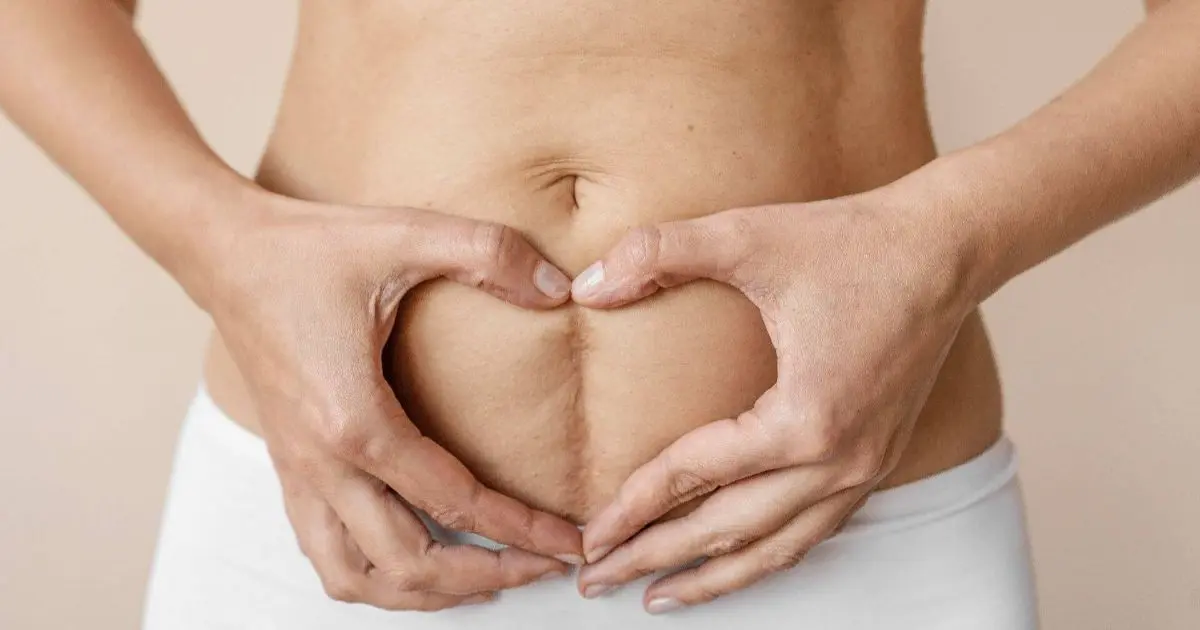
Consistent, mindful practice helps restore stability and muscle tone gradually. After a C-section, recovery looks different. Although the vagina does not stretch in the same way, the abdominal wall and surrounding muscles can weaken after major abdominal surgery. Rebuilding core strength becomes essential. A common condition is diastasis recti, where the connective tissue between the abdominal muscles stretches, causing a visible bulge along the midline of the abdomen, back pain, or core weakness.
In most cases, targeted physical therapy focused on deep core activation and proper breathing techniques is highly effective. Traditional crunches and sit-ups should be avoided, as they can increase abdominal pressure and worsen the separation. If the gap is wider than 2–2.5 finger widths or causes functional problems, consulting a pelvic floor or women’s health specialist is strongly recommended. In severe cases, surgical intervention may be considered.
This part of postpartum changes can feel sensitive or difficult to talk about — but your body is healing. You are not alone, and your recovery deserves attention, patience, and professional support.
👉 While physical recovery after birth can feel overwhelming, emotional recovery matters just as much. If you’ve noticed constant worry, racing thoughts, or a sense of unease you can’t quite explain, it may be more than just exhaustion. Postpartum Anxiety Is Real – Here’s How to Recognize and Manage It
In this article, we talk honestly about the signs of postpartum anxiety, how it differs from normal new-mom worries, and practical ways to manage it — because healing isn’t only physical. 💛
The Postpartum Period and Your Body’s Internal Recovery
The postpartum period typically lasts about six weeks, during which your uterus goes through an intensive cleansing and healing process. In the beginning, you may experience bleeding similar to a menstrual period. This is followed by lochia — the vaginal discharge after birth — which gradually changes in color, shifting from dark red to brown, and eventually to a yellowish-white tone as the amount steadily decreases.
During this time, proper hygiene is especially important. Use sanitary pads instead of tampons, avoid sitz baths, and shower after bowel movements to reduce the risk of infection. If your lochia develops a strong or unpleasant odor, or if you experience fever, chills, or severe lower abdominal cramps, seek medical attention immediately.
The cervix begins to regain its shape quickly, but the cervical opening usually takes 8–10 days to fully close. The vaginal walls typically regain tone within about three weeks. However, sexual activity is generally recommended only after the postpartum period has fully ended.
This stage of postpartum changes is quiet and mostly invisible. Your body is doing deep internal work — healing, resetting, and gradually restoring balance. Even when you can’t see it, recovery is happening.
Breasts and Other Physical Changes
After giving birth, your breasts go through significant changes. Nipple stimulation helps initiate and maintain milk production, which is why frequent breastfeeding — even if it feels challenging at first — supports your body’s natural process.
The first milk, called colostrum, is especially valuable. It supports your baby’s early development and helps with the passage of meconium.
In the hospital, postpartum nurses can guide you in establishing proper breastfeeding techniques, and later you may choose to work with a lactation consultant.
It is important to empty the breasts adequately after feedings, as milk stasis can lead to mastitis — a painful breast infection accompanied by fever, chills, and significant discomfort. This condition requires medical attention.
Beyond the breasts, other physical changes are common. Stretch marks may fade with creams but rarely disappear completely. Hormonal shifts can trigger temporary hair loss. Many women experience noticeable weight loss shortly after birth due to the delivery of the baby and placenta, as well as the release of retained fluids. You may also feel mild balance changes as your center of gravity readjusts. Straining during labor can cause hemorrhoids, and decreased estrogen levels often lead to vaginal dryness.
And yes — increased gas is also common. As your internal organs gradually shift back into place, temporary digestive discomfort may occur. This typically resolves within a few weeks.
All of these postpartum changes are part of the complex transformation your body undergoes. They are not flaws — they are natural stages of healing and adaptation.

Emotional Changes and the Importance of Asking for Help
Postpartum changes don’t affect only your body. Hormonal shifts, sleep deprivation, and adjusting to your new role as a mother can deeply impact your emotional well-being. Many new moms feel more sensitive or uncertain during this time, while trying to bond with their baby and find balance in a completely new life chapter.
A difficult birth experience, breastfeeding challenges, or family stress can intensify feelings of sadness and overwhelm. If these emotional ups and downs ease within a few days, it is often referred to as baby blues, which is common and temporary. However, if feelings of sadness, anxiety, or hopelessness persist for weeks, postpartum depression may be a possibility. In those moments, it is especially important not to stay alone with your thoughts.
Asking for help is not a weakness — it is an act of responsibility toward yourself. If you feel that coping alone is too heavy, reach out to a psychologist, OB-GYN, or primary care provider. Most postpartum changes improve gradually within 6–8 weeks, but if symptoms intensify, become painful, or persist, a healthcare professional can help determine what is part of normal recovery and when targeted support is needed.
Remember: your body has done something extraordinary. Healing is not a linear process — there will be easier days and harder ones. But your body is not working against you; it is working for you. Postpartum changes are proof of the strength of the female body. This truly is a new chapter in your life, and in this chapter, you don’t have to be perfect. Being patient with yourself and allowing time to heal is enough.
👉If you’d like to walk this journey feeling more prepared, more confident, and a little less worried, visit the Little Lifesavers page and explore our free downloadable resources. They’ll help you stay organized, plan ahead, and create the kind of calm and clarity you need most right now.
👉And if you’re looking for stories and support that speak to the emotional side of motherhood — beyond diagnoses and definitions — you’ll find more honest, real-life reflections in our Motherhood section.