
Baptism – Tradition, Choice, or Just a Beautiful Family Day?
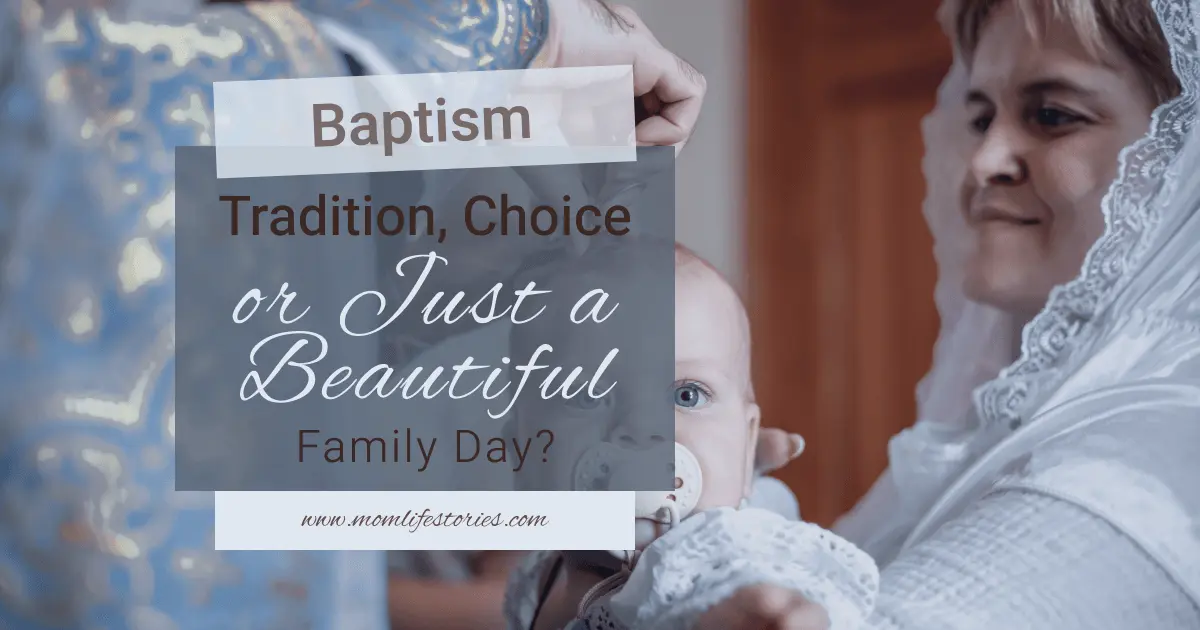
A Baptism is often the first truly big shared celebration after a baby is born. A Baptism is not just a ceremony, but a moment when the family gathers around the newest little member for the very first time. It carries tradition, emotion, and a bit of planning stress all at once—but that’s exactly what makes it so memorable.
In most religious families, a Baptism takes place within the first months of a baby’s life. It often happens around 1–3 months old, though many families choose to schedule it within the first six months. The church ceremony is usually followed by a shared meal or family gathering, which can be intimate or a larger celebration, depending on family traditions.
What Does Baptism Mean and Why Is It Important?
A Baptism is fundamentally a religious ceremony, during which the child becomes a member of a faith community. Water symbolizes purification and the beginning of a new life, making the ceremony a form of spiritual initiation. Many churches emphasize that it holds its deepest meaning when parents actively live their faith, as part of the promise is to raise the child within that belief system.
At the same time, today a Baptism is not purely a religious decision for every family. Some choose it out of tradition, while others prefer a naming ceremony or simply organize a small, intimate family gathering. In every case, the focus remains the same: celebrating the baby.
And maybe this feels familiar too—almost as soon as the baby is born, the question comes: “So when will the baptism be?” For some, this is completely natural. For others, it becomes a personal decision shaped by their own values and beliefs.
When and How Should You Plan a Baptism?
There’s no single “right” timing for a Baptism. Many families plan it around 8–12 weeks, but what matters most is that both mom and baby are doing well. This period is still very fluid, so it’s worth approaching the planning with a bit of flexibility.
The process usually follows a few simple steps: setting a date with the church or parish, attending a short preparation meeting, and choosing the godparents. It might sound like a lot at first, but in reality, it’s a clear and manageable process.
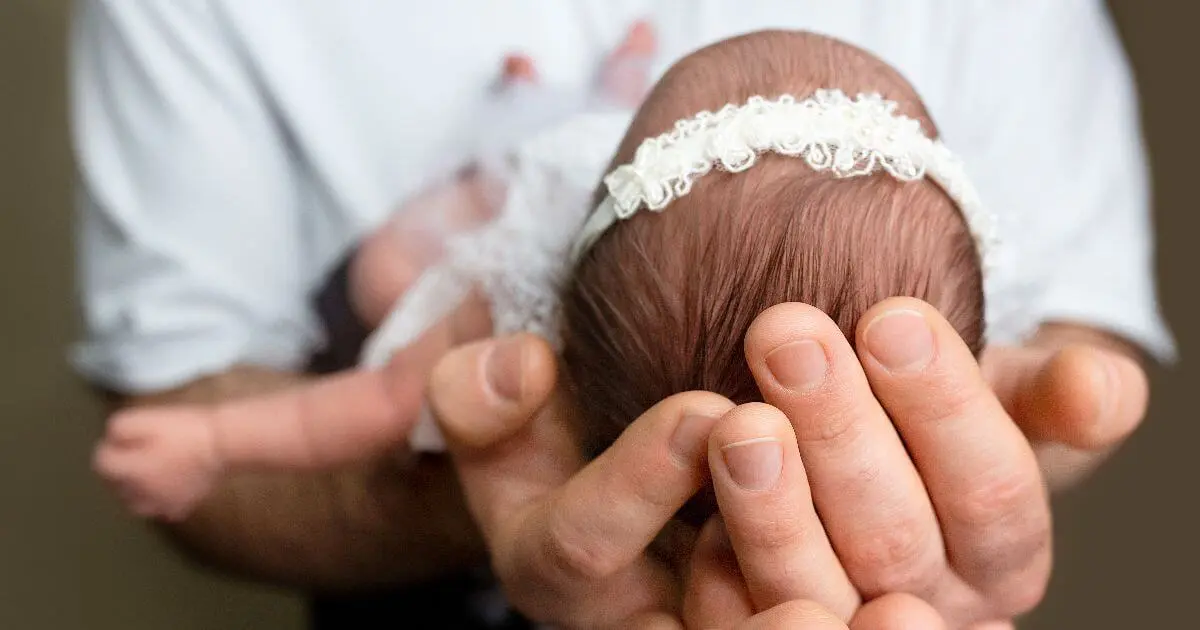
The role of godparents is not just symbolic. Traditionally, they help guide the child in their faith, which is why in Catholic tradition it’s important that they actively practice their religion. At the same time, today it’s often just as important to choose someone based on trust, closeness, and a real personal connection.
If you’re planning a Catholic Baptism, here are a few key things to keep in mind:
There are also a few common misconceptions. For example, church marriage is not required, and you don’t need to have previously paid church contributions. Since requirements can vary, it’s always best to check directly with your local parish for the most accurate information.
The Atmosphere and Flow of a Baptism Ceremony
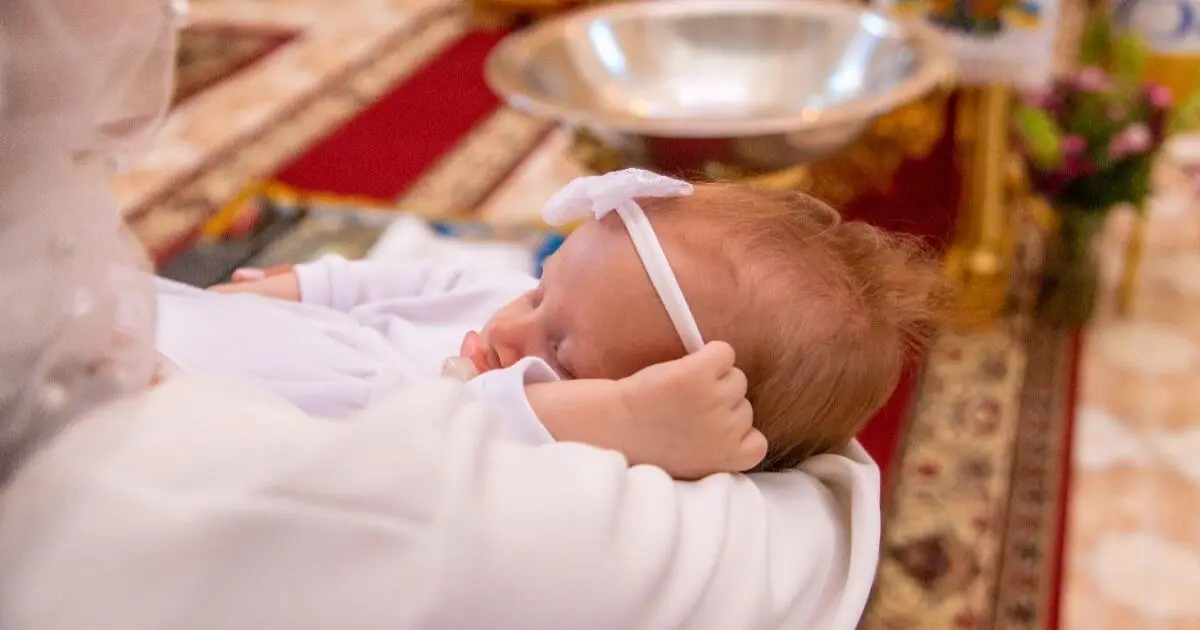
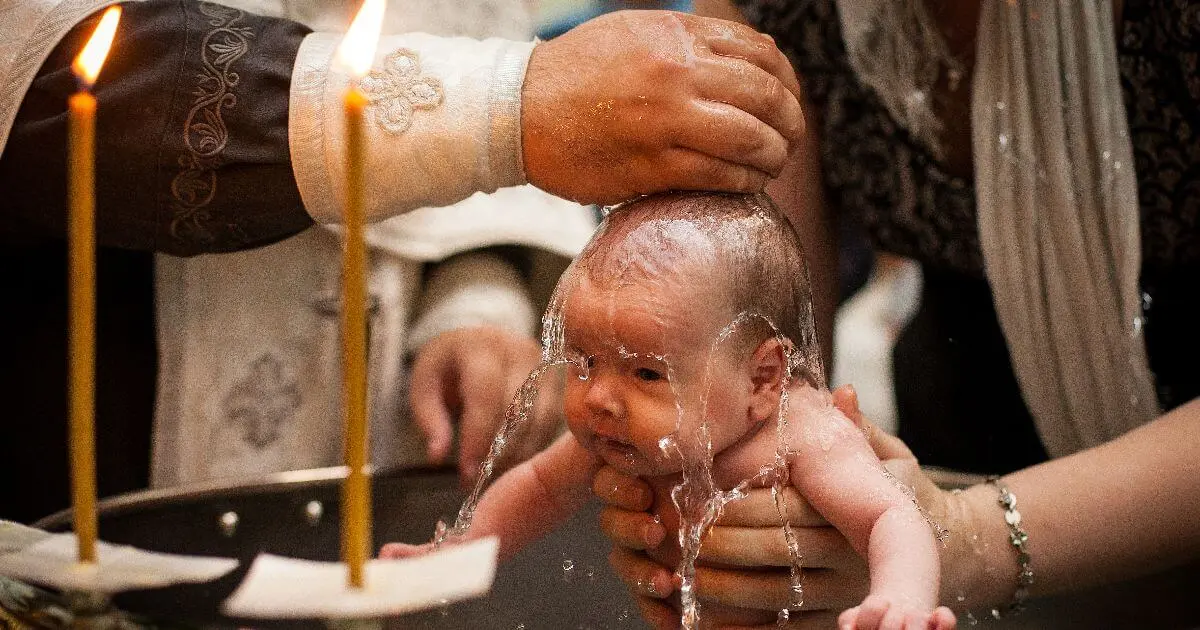
A Baptism takes place in a church setting, surrounded by a quiet, intimate, yet deeply ceremonial atmosphere. There’s a sense of calm presence throughout, as the family gathers and shares a moment that feels both personal and meaningful. The central moment of the ceremony is when the priest pours water over the baby’s head three times, symbolizing a new beginning and spiritual cleansing.
During the ceremony, the roles naturally come into focus. The baby is often held by the godparents, though in many cases the parents are also actively involved. The presence of the family is constant, making the event feel not just like a religious ritual, but a shared family experience.
The ceremony itself unfolds in a gentle sequence: it begins with a welcome, followed by readings and prayers, then the act of baptism itself, including the blessing of the water and the profession of faith. This is followed by symbolic gestures like the anointing with chrism oil, the white garment, and the baptism candle, each representing purity, light, and spiritual guidance. The ceremony closes with a shared prayer and blessing.
The atmosphere is quietly emotional rather than showy. What stays with you is not the structure, but the feeling that something truly important is happening—even if the baby won’t remember it later.
What Should a Baptism Outfit Look Like?
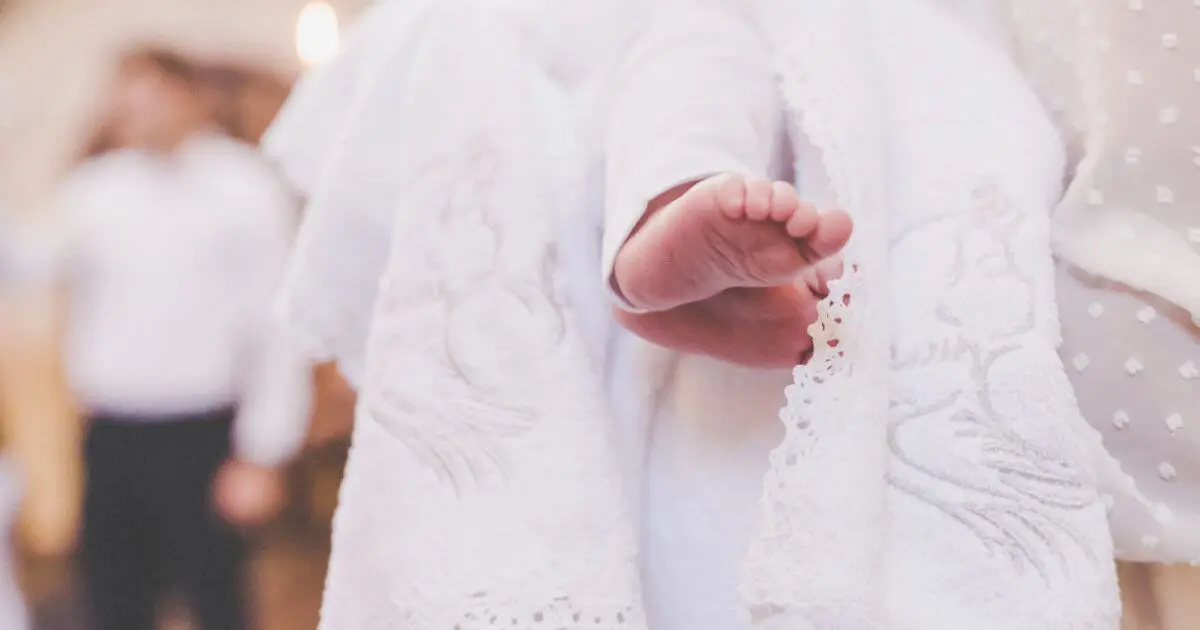
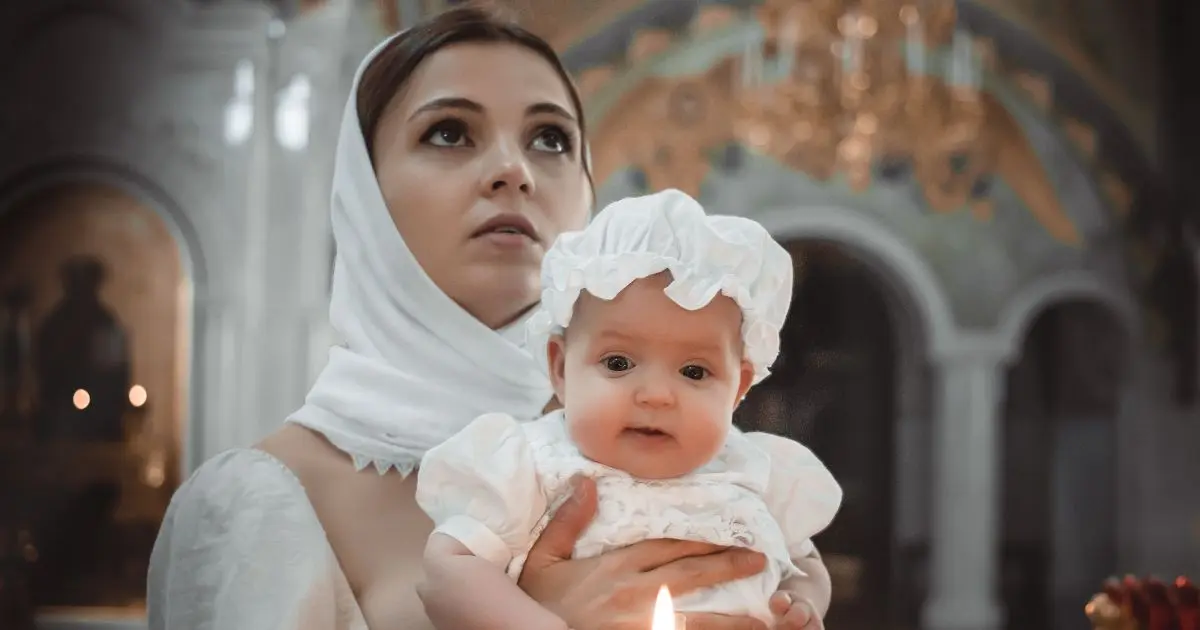
When it comes to a Baptism, one of the most common questions is what the baby should wear. Traditionally, babies are dressed in white, symbolizing purity and a new beginning—which is why many people refer to the event as a kind of “mini wedding.”
At the same time, it’s important to know that there is no strict dress code. White is a classic choice, but a touch of color, a more modern outfit, or a simple elegant look is perfectly acceptable. What truly matters is that your baby feels comfortable.
It’s also worth considering a few practical details. For babies who are not yet walking, a cute pair of socks or soft shoes is more than enough, while dressing in layers is always a smart choice. In colder weather, long sleeves and closed shoes are ideal, but even in summer, having an extra layer can make a big difference.
And something that often surprises parents: churches tend to be cool, even on the warmest days. That’s why it’s a good idea to bring a soft cardigan, a hat, or a light blanket. The best part is, these pieces will still be useful later—not just on the day of the Baptism.
Gifts and Small Traditions
A Baptism is a special occasion when it comes to gift-giving as well. Godparents often choose meaningful, lasting gifts, such as a cross, a Bible, or a personal keepsake, and in many cases, they also contribute to the overall costs of the event.
Guests also tend to bring items that hold sentimental value over time—like delicate jewelry, a photo frame, or a personalized engraved piece. If you’re unsure what to choose, it’s always a good idea to check with the parents, so you can give something they will truly need and appreciate.
There’s also a lovely tradition that is becoming more and more popular: parents prepare small thank-you gifts for their guests. These can be simple, handmade keepsakes—like a painted stone with the baby’s name and the date of the Baptism. It doesn’t have to be anything elaborate; the beauty lies in the thoughtfulness behind it.
Beyond Baptism – Other Ways to Celebrate Your Baby
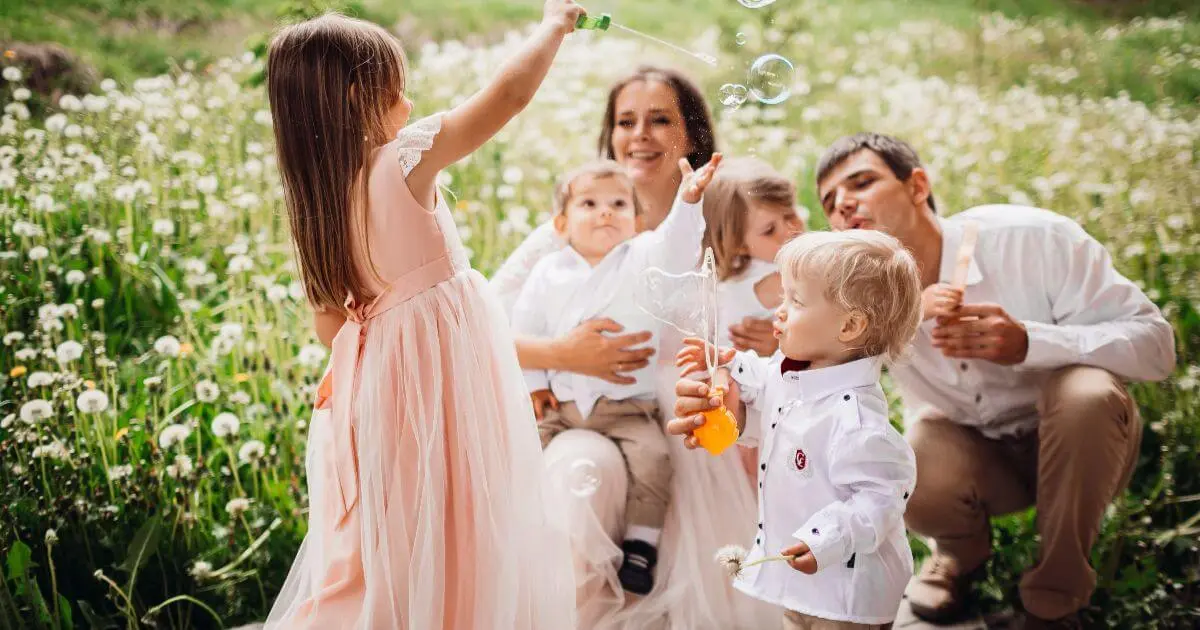
While a Baptism is a tradition in many families, today there are several meaningful ways to celebrate your baby’s arrival. More and more parents choose a naming ceremony, where a registrar welcomes the child, poems are shared, and the family receives a keepsake certificate to mark the occasion.
These celebrations usually take place within the first few years of a child’s life, often before the age of three, and they tend to have a more relaxed and flexible atmosphere. The dress code is also more casual, without the need for a traditional baptism outfit, which many parents find easier and more comfortable.
Some families go even further and decide not to hold any formal ceremony at all. Instead, they simply gather their loved ones and create a warm, intimate celebration together.
And maybe this is the most important part: it truly doesn’t matter which form you choose. What matters is that this day is about your baby, and that it becomes a memory you’ll look back on with warmth and love.
👉If you’d like to walk this journey feeling more prepared, more confident, and a little less worried, visit the Little Lifesavers page and explore our free downloadable resources. They’ll help you stay organized, plan ahead, and create the kind of calm and clarity you need most right now.
👉And if you enjoy slowing down and savoring the small, meaningful moments of family life, you’ll find more seasonal inspiration and everyday motherhood stories in our Lifestyle section.