

Gentle Parenting in Real Life: 5 Tips That Actually Work

Kids start learning new skills at a dizzying pace from the moment they’re born—and along the way, their confidence grows too, in the best-case scenario. Gentle parenting in real life is about supporting that confidence in a way that doesn’t fall apart the moment your child experiences failure. Because as they grow, inner security is just as important as the skill itself.
To thrive, children need to trust their own abilities—and also learn that they can cope when something doesn’t work out. When they experience that they can get back up after a setback, healthy confidence takes root.
As parents, most of us want our children to become confident adults, but we can’t force that on them. In the long run, they’ll live and make decisions based on their own experiences, values, and goals. The most we can do is create the opportunities they need for healthy development—and lead by example.
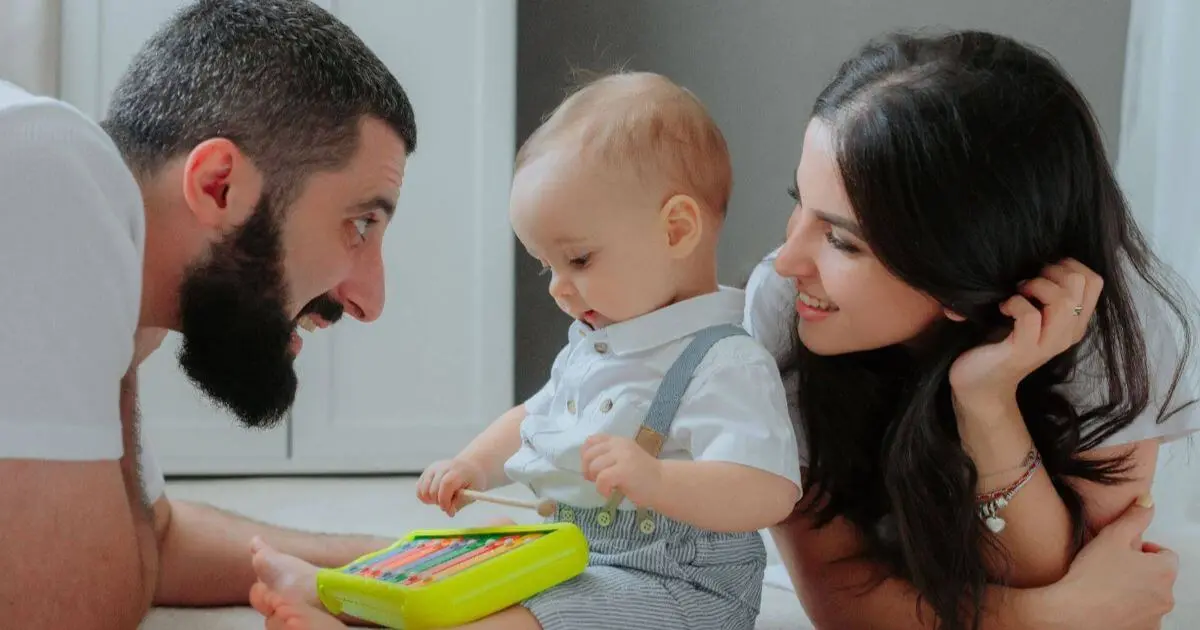
1. Step off the hamster wheel: let new things feel exciting, not scary
As adults, we often hesitate to try something new. We know we’ll probably make mistakes at the beginning, and somewhere inside there’s that uncomfortable thought: “What if people laugh at me for being clumsy?” Yet mistakes are a natural part of learning—those early missteps simply can’t be skipped.
Children, however, don’t yet carry the kind of shame that so often holds us back as adults. They’re willing to experiment, to try again and again, and they don’t automatically assume that a stumble is something to be embarrassed about. That’s why it’s worth encouraging them early to explore new areas and try new things.
When children are exposed to plenty of new experiences early on, they learn that discovery doesn’t just mean mistakes—it also means excitement. Later, this makes it easier for them to cope with what naturally comes with learning: failure. Gentle parenting in real life doesn’t ask for “extra effort” from you here, just a small shift in perspective — noticing the courage to try, rather than focusing first on the mistake.

2. Accept their mistakes: your child feels what you truly think
Your child’s confidence very often grows out of you. If you don’t accept their mistakes, they won’t learn to accept them either. And this works in much subtler ways than we might expect, because children know their parents just as well as we know them.
It’s a mistake to believe you can hide your true feelings. If your child misses a shot at a soccer game and you shake your head in disappointment, it won’t matter that you verbally praise the effort. Your child will feel exactly what you feel: disappointment.
This is where gentle parenting in real life sometimes isn’t about the child first, but about us. It’s worth reminding yourself now and then that your child is not flawless, not perfect—and that you can’t expect them to be. And if you notice that the inner pressure is still strong, it may be time for a deeper self-check: why is it so important to you that they “always perform well”?
It’s a hard question—but without an honest answer, it’s difficult to move forward.

3. Show them what’s valuable about mistakes: you’re not competing in the same race
In any competition, it’s natural to aim for the top spot on the podium. When that doesn’t happen, children often experience it as failure. But you, as the parent, aren’t running the same race your child is.
Your goal isn’t for them to win every time. Your goal is to raise a thoughtful, resilient, confident—and above all, happy—human being. When they win, of course you celebrate. But when they don’t, you can still help them see that there’s something valuable in the loss as well.

Support them in looking beyond the defeat and noticing how much they’ve grown: how they’ve improved, what they’ve learned, and how far they’ve come.
That’s why it’s important to celebrate not only success, but also the effort, the work, and the entire learning process—and often to value this even more than the result itself.
Gentle parenting in real life also means not becoming overly tense about mistakes. Instead, you help your child understand that everyone makes them, and that what matters is learning from them rather than getting stuck in self-blame.
Confident people aren’t brave because they’re sure they’ll never fail—they’re brave because they know how to carry failure and move forward anyway.
4. Set them up for success — without forcing it: children learn best from what they love
Mistakes are a natural part of learning, which is why they matter. But your child will only learn from them if they actually want to succeed—in other words, if they enjoy what they’re doing. Sending them to soccer practice three times a week won’t help if they hate it. They won’t learn from their mistakes because they’re not invested in the activity at all.
No parent intends to cause harm, yet it happens more often than we’d like that a parent’s own ambitions come before a child’s genuine interests. When children are repeatedly pushed into situations they don’t enjoy, the path doesn’t lead toward success—it leads toward failure, or at the very least, unhappiness.
When you truly pay attention to what brings your child joy, what they do with enthusiasm, you can give them space to focus on what they love and experience real flow. Of course, there will still be mistakes and setbacks. But they’ll learn from them without losing motivation, because they’re not doing it just for the outcome—they’re doing it because the activity itself makes them happy.
Gentle parenting in real life also connects closely to play and rest. One of the hardest parts of parenting is resisting the urge to schedule every minute of your child’s day. Many parents worry that if they allow time for rest and play, their child will fall behind. And yes—it’s true—very few children will sit down to practice on their own.
Still, somewhat surprisingly, the children who develop the best are those who have time to rest and play as well. When a child is overloaded, they lose the chance to experience the joy of independent action, learning, and growth—even if they’re genuinely interested in something. Rest and free play create the space where children can develop according to their own needs and intuitively sense what they need most in that moment.
👉Gentle parenting doesn’t work if it means giving yourself up.
Read this too → Work-Life Balance for Moms: How to Stay Sane When You’re Doing It All

5. Give them a safety net, not the fish: help in a way that supports independence
True confidence develops when a child experiences that they can reach their goals on their own. If you never let go of their hand — if you guide every step or step in too quickly — the effect is often the opposite of what you intend. Instead of strengthening their confidence, you slowly weaken it.
Your role isn’t to do the work for them, but to provide the tools and opportunities that allow them to succeed on their own. Be there to catch them if they fall. Be there so they feel safe. And be there to hold them when they need comfort. But the work itself has to be theirs.
👉 When you allow your child to experience and work through difficult emotions, you’re also modeling something just as important for yourself: balance, self-compassion, and resilience. Supporting your child starts with taking care of your own well-being too. 👉 Healthy Mom Lifestyle: Finding Balance, Energy, and Joy in Motherhood

Bonus: Two extra tips that make a real difference
Thoughtful praise: build on real recognition, not constant “good job”s
Children need a lot of encouragement — but that doesn’t mean praising every little thing they do. Over time, praise can lose its value if a child hears “good job” or “you’re amazing” for everything. Eventually, it becomes harder for them to recognize which efforts truly deserve acknowledgment.
Two simple anchors that help a lot:

You don’t have to protect them from everything: learning to carry failure matters
As a parent, it’s natural to want to shield your child from pain, disappointment, and mistakes. But they don’t need to be protected from all of it. Children also need to know what it feels like to fail—and to understand that feeling sad, frustrated, or angry when something doesn’t work out is completely normal.
This is how they learn to cope with obstacles. Not by having their mistakes fixed for them or their conflicts smoothed over, but by experiencing the process themselves. Psychologists often note that it can be especially powerful when children occasionally see you make mistakes—and watch you handle them without drama. That makes failure feel less frightening and much more manageable for them.
Closing: gentle parenting is not perfection — it’s finding your way back
Gentle parenting in real life doesn’t mean you’re always patient or that you never get it wrong. Real life includes tense days, poorly chosen words, and moments where things slip. What matters isn’t a flawless response — it’s the ability to reconnect.
When a child experiences being accepted even when they make mistakes, feel angry, or face disappointment, a deep sense of inner security begins to grow. And from that security comes the kind of confidence that doesn’t collapse just because something didn’t work out the first time.
In the end, gentle parenting in real life carries a quiet but powerful message:
“You are lovable — even when you’re not perfect.”
👉If you’d like to walk this journey feeling more prepared, more confident, and a little less worried, visit the Little Lifesavers page and explore our free downloadable resources. They’ll help you stay organized, plan ahead, and create the kind of calm and clarity you need most right now.
👉And if this way of parenting — imperfect, compassionate, and deeply human — speaks to you, you’ll find more real-life motherhood stories and gentle guidance on MomLifeStories.