

The Truth About Breastfeeding: The Pain, the Tears, and the Tiny Victories

When “Natural” Still Doesn’t Come Naturally
The truth about breastfeeding is that the beginning often isn’t a dreamy, pink-cloud experience — it can feel like a tough learning curve. There may be tears, “seeing stars” moments, and that very real thought: “I can’t do this.” And you know what? That doesn’t mean you’re doing anything wrong.
But here’s an important (and honestly reassuring) fact to say out loud: nipple pain in the first days isn’t something you just have to accept. A little tenderness can be normal, but painful breastfeeding usually means something needs adjusting. The truth about breastfeeding isn’t “just push through and you’ll get used to it” — it’s that in most cases, there’s a reason for the pain, and there are ways to fix it.
I’ve been there too. It was more than 13 years ago for me, but I still remember it clearly: when I started breastfeeding my daughter, during the first 1–2 weeks I literally saw stars every time a feeding began. Then, step by step, things got better — and one day, that calm, intimate experience finally arrived… the one I’d heard other moms talk about.

What’s Normal — and What’s a Sign Something Needs Attention?
In the first days of breastfeeding, some nipple sensitivity is common. As your baby’s gums grip the nipple and pull on the breast tissue, you may feel an uncomfortable, tugging sensation. Many mothers notice this most strongly during the first few seconds of a feeding.
The key point, though, is this: once your baby begins to actively suck, your let-down reflex should kick in, milk starts to flow, and breastfeeding should quickly become more comfortable. That early discomfort usually begins to improve within 2–4 days after birth, as long as your baby is well latched, positioned correctly, and using an effective technique.
If your baby is still learning how to latch, some tenderness makes sense. But if pain lasts throughout the entire feeding, or if nipple sensitivity continues for longer than a week, it’s a clear sign that something needs to change — usually the latch or the breastfeeding technique. It’s best not to wait until things get worse and the nipple becomes sore, cracked, or even starts bleeding.

And one more important thing: if you’ve reached the point where you dread the next feeding, that’s not “just part of motherhood.” That’s a boundary. Reach out to a lactation consultant as soon as you can — early support often leads to fast relief. The truth about breastfeeding is that timely, skilled help can create a huge turnaround in just a few days.
👉 Breastfeeding shouldn’t hurt throughout the entire feeding — and this video helps you understand what’s considered normal sensitivity and when your body may be signaling that something needs attention. Learn the signs of a poor latch, when it’s time to ask for help, and why you don’t have to suffer through the first weeks in silence.
Finding the Root Cause: Most Often, It’s the Latch and Technique
Nipple pain that continues in the days or weeks after birth is most often caused by an improper latch or ineffective sucking technique. In these situations, pressure from your baby’s tongue and gums is focused on the nipple instead of being spread over the areola, where it should be.
When breastfeeding is very painful, it often means your baby isn’t taking enough breast tissue and is mainly sucking on the nipple tip. Signs like a red line or a temporary indentation on the nipple may appear. This is not only painful for you, but also inefficient for your baby, as less milk is transferred and suction often becomes stronger.
The truth about breastfeeding is that the idea of “tiny baby, gentle suction” is a myth. Many mothers are genuinely surprised by how powerful that tiny mouth can be during the first latches.

If everything seems right but the pain remains intense, it’s worth having your baby’s mouth checked by a professional. Tongue-tie or a tight upper lip are common underlying causes, and in many cases a quick procedure can bring immediate improvement.
There’s also another common factor: size mismatch or individual sensitivity. When technique is solid, time is sometimes the best remedy — your baby’s mouth grows quickly, and your body gradually adapts.
👉 Many early parenting experiences come with unexpected discomfort — and breastfeeding isn’t the only one. If medical moments already feel overwhelming, A Mom’s Guide to Baby Vaccinations – What to Expect Before, During, and After the Shot gently walks you through another common situation where preparation, understanding, and reassurance make all the difference.
How to Prevent It — and How to Fix It Fast
Prevention really is the best medicine. When you pay close attention to how your baby latches onto the breast, pain can often be reduced to a minimum. If positioning or latch feels off, it’s worth reaching out to a lactation consultant as early as possible — before an ineffective technique has a chance to settle in.

A quick checklist if breastfeeding hurts:
What Can You Do If Breastfeeding Is Painful Right Now?
If your baby wants to comfort nurse but your nipples are extremely sensitive, you can temporarily offer a very clean finger instead of a pacifier. This gives your breasts a short break while still helping your baby calm down.
Here are a few practical steps that can ease the pain and support healing:
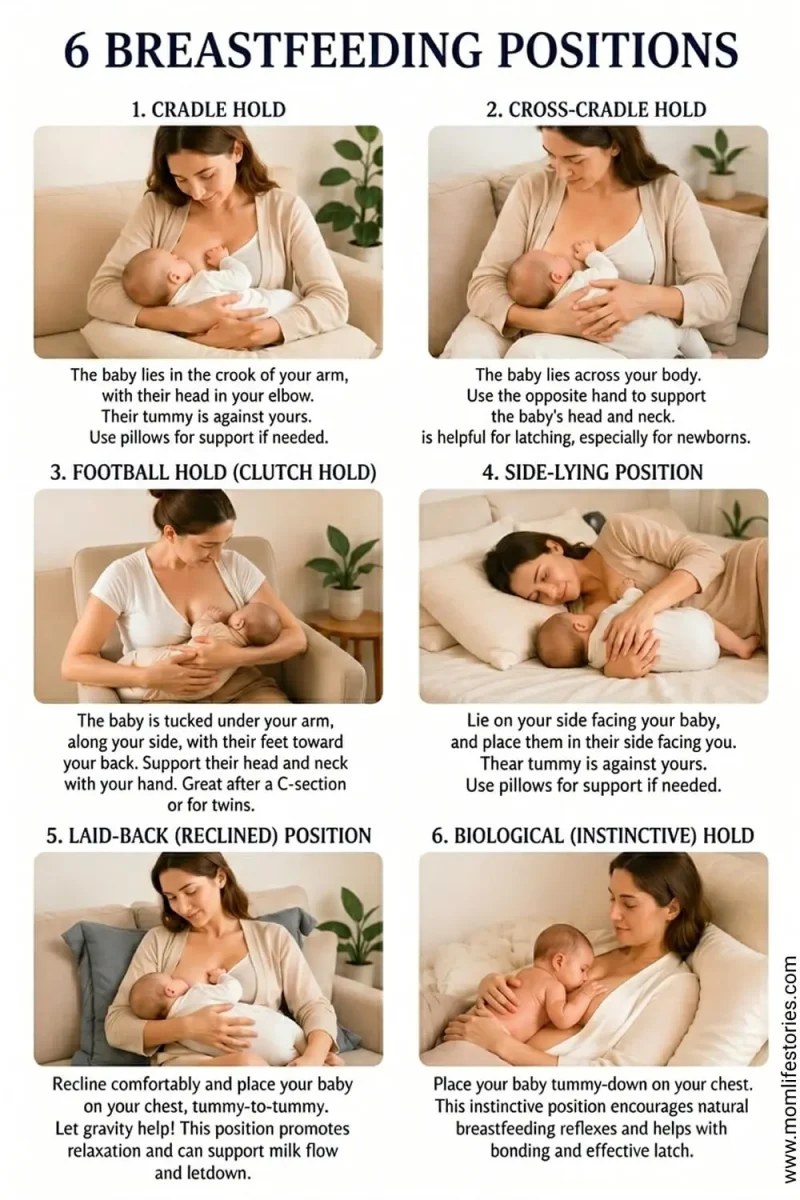
Small, thoughtful adjustments can make a big difference — even when breastfeeding feels hard in the moment.
👉 Many of these small adjustments work best when your baby isn’t overtired or overly hungry. If you’re noticing that feeding becomes harder when sleep is off, Baby Sleep Schedule Secrets Every Tired Mom Should Know offers gentle, realistic guidance on how sleep rhythms can support calmer feeding moments too.

Nipple Care — and When to Seek Professional Help
When even the lightest touch hurts, it’s completely understandable to want fast relief. The good news is that there are gentle, proven methods that help many mothers heal and feel more comfortable.
Simple nipple care steps that often help:
If the pain is sharp, persistent, doesn’t improve after several weeks, or returns after a pain-free period, there may be an underlying issue such as a yeast infection, eczema, or a circulation-related condition. The truth about breastfeeding is that at this point, small technique adjustments aren’t enough — targeted professional support is important.

Temporary options like a nipple shield or resting one breast by pumping can sometimes help, but they should be used thoughtfully and for short periods. If pain is accompanied by signs of a blocked duct or mastitis — such as swelling, redness, or fever — seek help as soon as possible.
And finally, this matters most: you don’t have to be a hero. You don’t need to suffer in silence, and you don’t have to do this alone. With small steps and the right support, pain often gives way to real, meaningful wins.
👉If you’d like to walk this journey feeling more prepared, more confident, and a little less worried, visit the Little Lifesavers page and explore our free downloadable resources. They’ll help you stay organized, plan ahead, and create the kind of calm and clarity you need most right now.