

Baby Sleep Schedule Secrets Every Tired Mom Should Know

CCreating a baby sleep schedule is about much more than charts or rigid, clock-based routines. At its heart, it offers safety, predictability, and calm — for both your baby and for you. Putting a baby to sleep can feel challenging for every parent, especially in the early months when you’re just getting to know your baby’s sleep patterns. Exhaustion, night wakings, and constant uncertainty can easily make you question whether you’re “doing it right.”
In this article, I’ll guide you through this journey in a gentle, MomLifeStories-style way. I’ll show you how to support your baby’s sleep more effectively and with less stress, walk you through a path I’ve already taken myself, and explain how a truly workable baby sleep schedule comes together — why routine matters so much, and how you can stay flexible as your baby grows and changes.
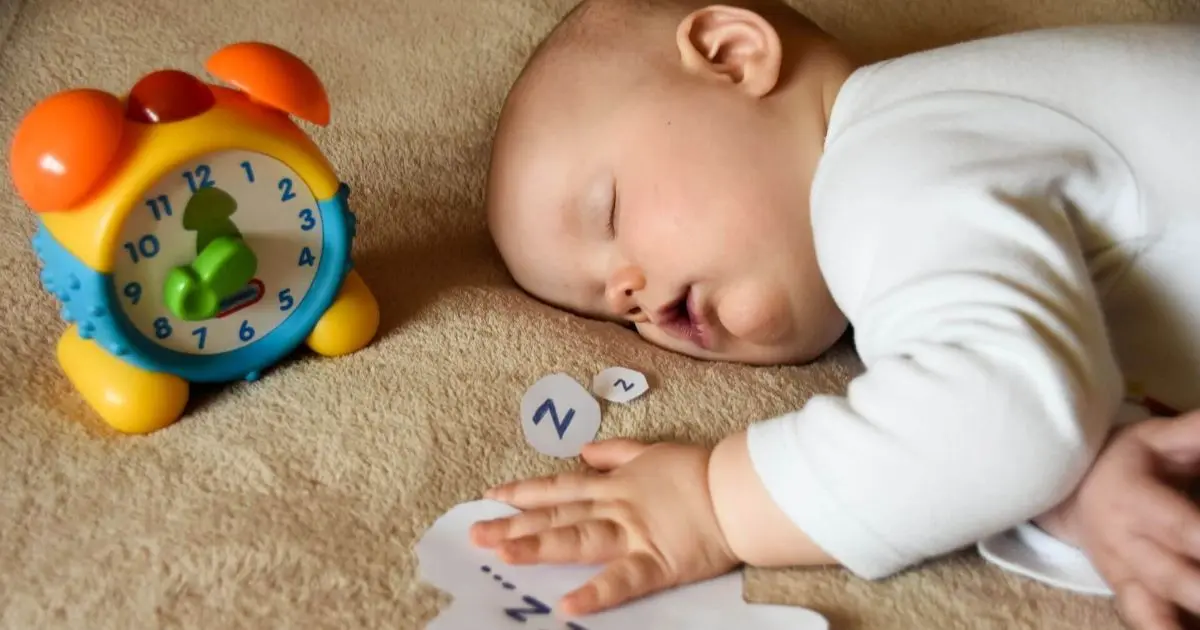
Creating a Loving and Gentle Sleep Routine
Peaceful nights don’t happen overnight. A baby sleep schedule develops gradually, as you learn to recognize and understand your baby’s cues. In the first weeks, frequent night wakings are completely normal — your baby’s internal clock is still forming.
The goal isn’t for your baby to “sleep through the night” as soon as possible, but to create an environment and rhythm where they feel safe and can settle more easily. Loving presence, consistency, and patience are the true foundations of a healthy baby sleep schedule.
Tip: From the very beginning, it can be helpful to observe and jot down your baby’s sleep, feeding, and wake patterns. This allows you to notice natural rhythms and gently shape a routine that truly fits your baby.
👉The same gentle attention you give to your baby’s sleep rhythms also matters during feeding. If breastfeeding has brought unexpected pain or emotional ups and downs, The Truth About Breastfeeding: The Pain, the Tears, and the Tiny Victories offers honest reassurance for this tender season.

The Importance of Routine When It Comes to Baby Sleep
One of the most important factors that supports falling asleep is a well-established bedtime routine. Consistency gives babies a sense of security — they know what’s coming next, which helps reduce tension. A consistent baby sleep schedule doesn’t just support your baby; it also helps you, by making evenings more predictable and calm.
Around six weeks of age, it’s a great time to begin introducing an evening routine. This might include a warm bath to help your baby relax, followed by a soft song or a short story. These gentle activities signal that sleep time is approaching. It’s important to keep them calm and non-stimulating, as too much excitement can have the opposite effect.
When you start and end these steps at roughly the same time each evening, your baby’s internal clock gradually adjusts. Over time, you may notice your baby becoming sleepy on their own — one of the clearest signs that your baby sleep schedule is truly working.
How to Support Better Night Sleep for Your Baby

It’s completely natural for infants to wake several times during the night, most often for feeding or diaper changes. Still, as parents, we often hope these wake-ups will be shorter and that our baby will fall back asleep more easily.
White noise — a steady, monotonous background sound — can be especially helpful. This consistent sound creates a calming environment and signals to your baby that it’s still sleep time.
When white noise is used throughout the night, many babies find it easier to settle back to sleep, helping the baby sleep schedule become more stable.
The sleep environment itself also plays a key role. Ideally, your baby’s room should be dark and slightly cool, with a temperature around 68–72°F (20–22°C). From about six weeks of age, it can be helpful to darken the room not only at night but during daytime naps as well, clearly signaling to your baby that it’s time to rest.
The Role of the 4-Month Sleep Regression
For many parents, the four-month mark can be an especially challenging period, as this is when the so-called sleep regression often appears. During this time, your baby’s sleep patterns begin to change and gradually start to resemble adult sleep cycles. This means your baby briefly wakes at the end of each sleep cycle.
If your baby always needs external help to fall back asleep, these wakings may become more frequent. While this phase requires a lot of patience, it can also be a valuable opportunity to gently support independent falling asleep. When your baby learns to drift off on their own at bedtime, it often leads to easier nighttime resettling as well — helping the baby sleep schedule become more stable in the long run.
If you feel that nothing improves despite your efforts, don’t hesitate to seek professional support. Baby sleep consultations can offer personalized guidance that takes your child’s temperament and your family’s rhythm into account.

Tips and Tricks for Easier Bedtimes
One of the most common questions new parents ask is how to help their baby fall asleep more easily. The answer usually lies in a combination of small factors that work together to support a healthy baby sleep schedule.
It’s important to make sure your baby isn’t hungry before bedtime. A well-fed baby tends to sleep more calmly and for longer stretches. In the evening, try to avoid overly stimulating or active play, and choose quieter activities instead. As your child grows, a short burst of active play earlier in the evening can help release built-up energy before winding down.
During daytime naps, complete silence isn’t necessary. You can move around the house, talk at a normal volume, and even have the radio on — there’s no need to tiptoe. What matters more is getting outside at least twice a day. A gentle walk or a short playground visit, where your baby can observe or interact with other children, helps them get pleasantly tired and adds a natural rhythm and consistency to your day.
Around seven months of age, you can introduce a comfort object that your baby can cuddle with as they fall asleep. This familiar item provides reassurance and supports self-soothing. And remember: every child develops at their own pace, which means a baby sleep schedule should never feel rigid or forced.

Aim for Balance, Not Perfection
Your baby’s sleep is not a competition, and there’s no single solution that works for everyone. A baby sleep schedule works best when it adapts to your child’s needs and your family’s lifestyle. There will be harder phases, setbacks, and very tired evenings — and that’s all part of the journey.
Be patient with your baby, and just as patient with yourself. Loving consistency pays off over time, supporting not only your baby’s sleep, but a calmer, more rested family as well.

Frequently Asked Questions About Baby Sleep Schedules
👉If you’d like to walk this journey feeling more prepared, more confident, and a little less worried, visit the Little Lifesavers page and explore our free downloadable resources. They’ll help you stay organized, plan ahead, and create the kind of calm and clarity you need most right now.
👉And if you’d like to better understand your baby’s development beyond individual moments, you’ll find more age-based insights and gentle guidance in our Baby Growth section.