

12 Early Pregnancy Symptoms — When Your Body Knows Before You Do
When you hear the phrase early pregnancy symptoms, most of us immediately think of morning sickness. But in reality, your body often starts sending signals much earlier — and in much subtler ways — that something significant is happening. Some women notice that “something feels different” just days after conception, while others only begin to connect the dots around a missed period. Both are completely normal — every experience is different.
At the same time, it’s important to keep this in mind: a single early pregnancy symptom on its own doesn’t confirm anything. Pregnancy can only be reliably confirmed by a missed period, a positive test, and ultimately a medical ultrasound. Until then, these are simply signs — but when you know what to look for, it becomes much easier to understand what your body might be telling you. Let’s take a closer look at the early signs that can appear even before a test.
Your Body’s First Signals — Easy to Misinterpret
One of the earliest early pregnancy symptoms that many women mistake for PMS is changes in the breasts. Just one to two weeks after conception, your body begins producing higher levels of estrogen and progesterone, which can make your breasts feel fuller, tighter, and sometimes noticeably sensitive or even painful. The areolas may darken, veins can become more visible, and your nipples may feel more sensitive than usual. For many women, this is the first moment when a subtle but undeniable feeling appears: something has changed.
Unusual fatigue can show up just as early. This isn’t the kind of tiredness you feel after a bad night’s sleep — it’s deeper, harder to explain, and often present even after a full night of rest. The sudden rise in progesterone slows your metabolism while redirecting much of your energy toward supporting early pregnancy. By the afternoon, you might also notice weakness or mild dizziness. While this usually eases after the first trimester, in the beginning it can feel surprisingly intense.
Frequent urination is another early pregnancy symptom that often catches women off guard. Hormonal changes and increased blood flow cause your kidneys to work more efficiently, which means you may find yourself needing the bathroom more often, even in the very first weeks. As pregnancy progresses, this feeling becomes stronger as the growing uterus puts pressure on the bladder. Still, it’s important not to reduce your fluid intake — if anything, just ease up slightly in the evening to avoid nighttime interruptions.

Classic early Pregnancy Symptoms: Nausea and Changing Tastes
Morning sickness is probably the most well-known early pregnancy symptom — even though it doesn’t only happen in the morning. For many women, it can show up at any time of day, which makes the name a bit misleading. The main cause is the hCG hormone, which not only affects the stomach but also alters your sense of taste and smell. As a result, foods you once loved can suddenly feel completely unappealing.
It’s very common to find that coffee, certain perfumes, or even everyday cooked meals can trigger nausea. This isn’t in your head — it’s actually your body’s natural defense mechanism, trying to protect you from potentially harmful substances. Eating smaller, more frequent meals can help, and simple remedies like ginger tea, plain crackers, or lemon water often make a real difference. For most women, these symptoms begin to ease around week 12.
Closely connected to this is the shift in your senses. During the first trimester, your body becomes more sensitive to smells that may not have bothered you before, while at the same time, you might suddenly crave unusual food combinations. A metallic taste in your mouth is also quite common — and if it happens, something as simple as drinking water or eating fresh fruit can help improve how you feel.
What About Bloating?
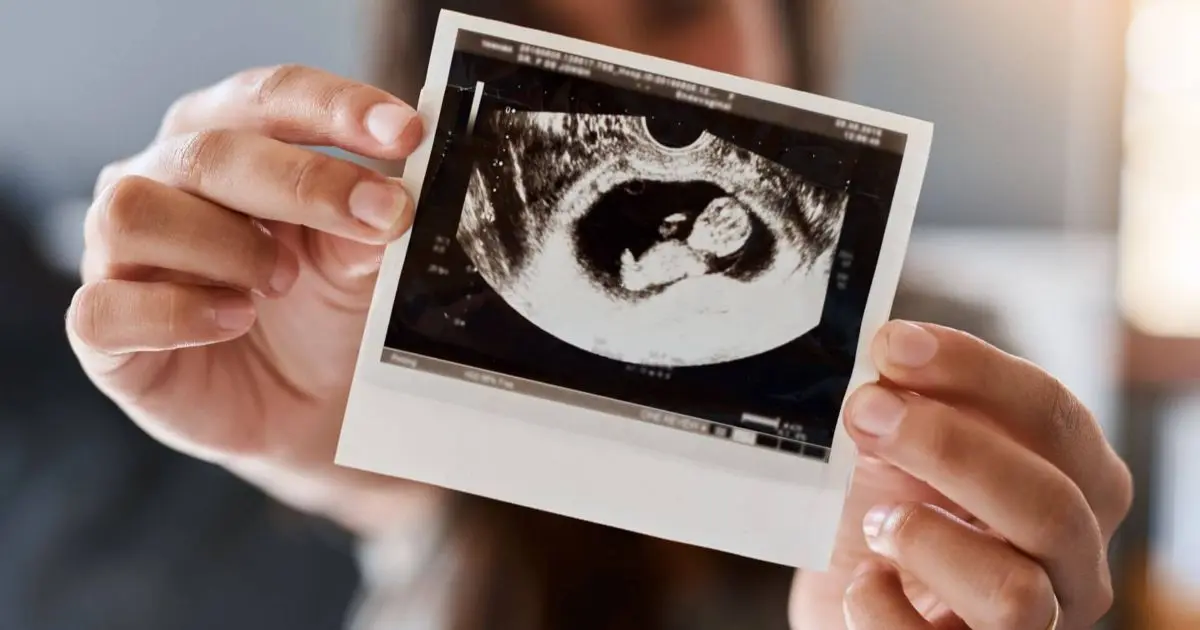
Bloating and mild lower abdominal cramps are also common early pregnancy symptoms, and are most often linked to the effects of progesterone. This hormone slows down digestion, which can lead to a feeling of fullness, bloating, and sometimes even constipation — especially for those who don’t usually experience it.
These mild cramps can feel similar to menstrual cramps, but without any bleeding. This is simply your body’s natural response as the uterus begins to expand and make space for your growing baby.
To ease these symptoms, simple changes can make a big difference. A fiber-rich diet, proper hydration, and gentle movement — such as prenatal yoga — can all help support your digestion and overall comfort.
👉 As you begin to understand what your body is already going through, it’s also worth thinking ahead to what comes after birth. You might want to read this next: The Reality of C-Section Recovery – What No One Ever Told You
This article gives you a more honest look at what recovery can actually feel like, so you can prepare not just physically, but mentally as well.
Less Obvious Signs: What You Might Not Connect to Pregnancy
Mood swings are one of the least talked about, yet very real early pregnancy symptoms. Hormones — especially estrogen and progesterone — directly affect your nervous system, which can leave you laughing one moment and suddenly in tears the next. This isn’t weakness or “just being emotional” — your body is going through real chemical changes. Practices like meditation, deep breathing, warm baths, or short walks can help, and as hormone levels begin to stabilize, your mood usually follows.
Another early sign that’s rarely discussed is changes in vaginal discharge. The appearance of white or pale yellow, odorless discharge in early pregnancy is completely normal. It’s caused by increased hormone levels and blood flow, along with the softening of the cervix and vaginal walls. However, if you notice itching, burning, or unusual color, it’s important to check with your doctor.
A consistently elevated basal body temperature can also be a meaningful clue. If your temperature remains higher than usual for several weeks after ovulation, it may be due to progesterone and can indicate pregnancy. At the same time, you might begin to notice back or pelvic discomfort. As the uterus grows, your center of gravity shifts and your ligaments begin to loosen, which can lead to a dull ache in the lower back, hips, or pelvic area. Supportive tools like pregnancy pillows, comfortable shoes, and avoiding heavy lifting can make a noticeable difference.

Skin, Hair, and Implantation Bleeding: The Unexpected Signs
Hormonal changes don’t just happen internally — they often show up on your skin and hair as well. For some women, this means the well-known “pregnancy glow”, with clearer skin and fuller-looking hair. For others, it can bring breakouts or pigmentation changes on the face or abdomen. Hair may feel stronger, but sometimes drier at the same time.
These changes are temporary and usually settle after birth, but in the meantime, it helps to protect your skin from sun exposure and choose gentle hair care. And then there’s one sign that many women mistake for a period: implantation bleeding. Around 25–40% of pregnant women experience light spotting in early pregnancy, right when the fertilized egg attaches to the uterine lining.
This bleeding is typically pinkish or brownish and much lighter than a normal period. If it’s accompanied by fatigue or breast tenderness, it may be worth taking a pregnancy test — at this point, hCG levels are often already detectable.
As you start paying attention to your body’s signals, it’s only natural that sooner or later you’ll begin to think about how you want to experience the moment of birth.
👉You might also want to read this: Home Birth or Hospital Birth – Real Choice or Emotional Dilemma?
This article helps you reflect on what feels right for you, and how to make a decision that truly supports your sense of safety and your personal needs.

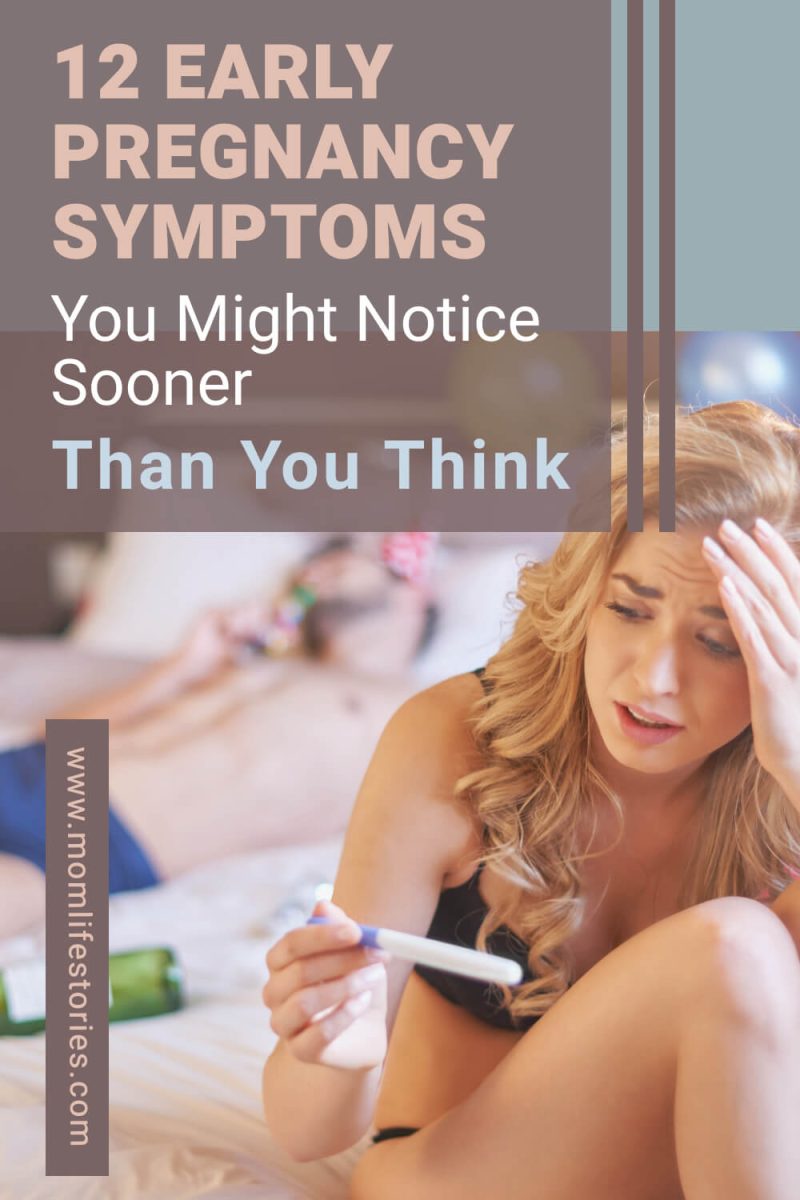
When Your Body Tells the Story
The full range of early pregnancy symptoms — from a missed period to nausea and mood swings — all point to one thing: your body knows what it’s doing, and it’s trying to let you know, too. Many of these signs can feel almost identical to PMS, which is why, in most cases, you only recognize their true meaning in hindsight. And that’s completely okay — that’s how this process often unfolds.
If you start to feel that it might be something more, a simple pregnancy test is the first step, followed by a medical ultrasound to confirm it. Until then, these are just signals — but meaningful ones.
In the meantime, the most important thing you can do is pay attention to yourself and listen to your body — because more often than not, it already knows what you’re only beginning to sense.
👉If you’d like to walk this journey feeling more prepared, more confident, and a little less worried, visit the Little Lifesavers page and explore our free downloadable resources. They’ll help you stay organized, plan ahead, and create the kind of calm and clarity you need most right now.
👉And if you’re looking for calm, trustworthy guidance throughout your pregnancy — from early symptoms to preparation for birth — you’ll find more supportive, real-life content in our Pregnancy section.