

Traveling While Pregnant: How to Prepare for Flying and Driving with Confidence
For many moms-to-be, traveling while pregnant can feel intimidating. But in most cases, it’s completely safe — it just requires a slightly different approach than before. You don’t have to give up your vacation, a family getaway, or even an international trip. What matters is understanding what to pay attention to and how to prepare.
When you plan ahead, everything feels more manageable. It’s not just about when and where you travel — it’s about how you make the journey as comfortable and safe as possible. In the following guide, you’ll find the most important things to know — from flying to road trips — along with practical tips that truly make a difference during this stage.
Can You Fly While Pregnant? Risks and Restrictions Explained
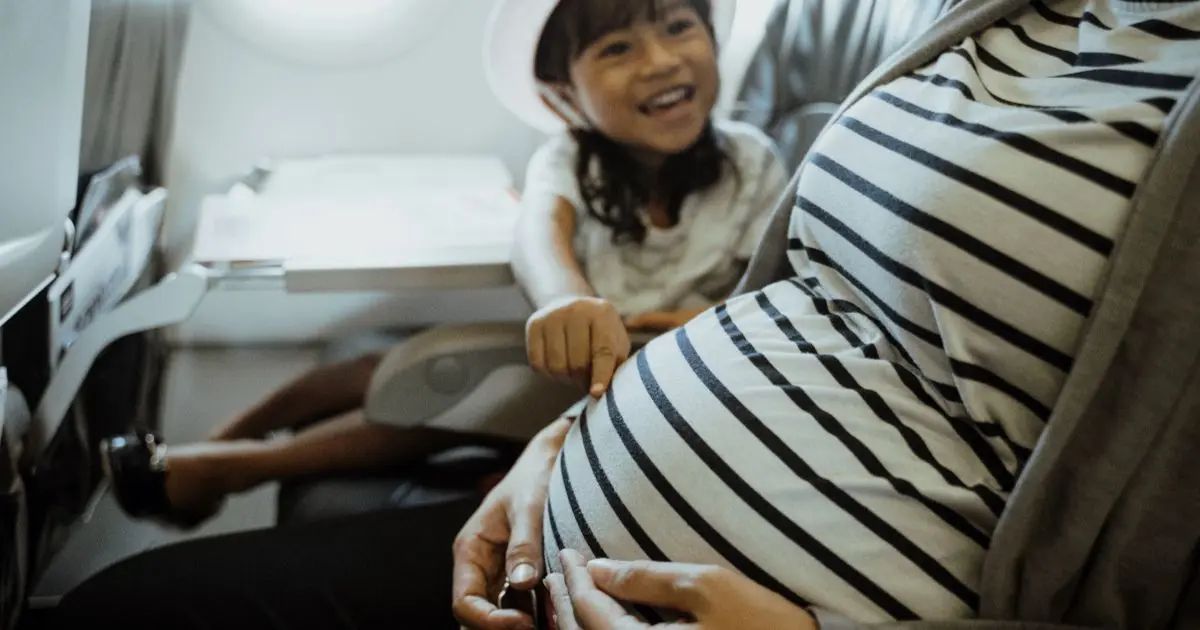
Flying during pregnancy may sound concerning at first, but in most cases, it does not pose a significant risk on its own. Changes in air pressure during takeoff and landing, lower cabin humidity, and slightly increased exposure to cosmic radiation are not considered harmful to either the mother or the baby — for occasional travel. However, frequent flying (such as daily or work-related travel) is not recommended during pregnancy.
If your pregnancy is uncomplicated, you can generally fly in any trimester. Still, it’s always worth checking with your doctor if you have any doubts. Certain conditions — such as high blood pressure, diabetes, anemia, or vaginal bleeding during pregnancy — may require extra caution or mean that flying is not advised.
After a certain point in pregnancy, flying is no longer allowed. Most airlines and healthcare providers do not permit flying after 36 weeks, and for twin pregnancies, this limit is typically 32 weeks. It’s also important to know that airline policies can vary. For example, some airlines may restrict travel earlier, so always check the specific rules before booking.
From around 28 weeks, most airlines require a “Fit to Fly” certificate issued by your doctor. This document should confirm that you are healthy, your pregnancy is low-risk, and include your expected due date — preferably written in English.

What to Pay Attention to During a Flight While Pregnant
Flying during pregnancy can feel most uncomfortable in the first trimester, especially if you’re dealing with nausea. If that’s the case, it may be worth postponing your trip to the second trimester, when hormonal symptoms usually ease. Nausea can also intensify during takeoff, landing, or turbulence, so it helps to be prepared for these moments.
One of the most important things to keep in mind is preventing deep vein thrombosis (DVT) — especially if you’re already experiencing swelling in your legs. Wear compression stockings, walk around the cabin when possible, or at least do simple leg exercises while seated. Try to book an aisle seat with extra legroom, but note that exit row seats are not allowed during pregnancy, even though they offer more space.
Because cabin air is very dry, staying hydrated is essential. Bring your own bottle and drink regularly — still water is the best choice during the flight. Taking magnesium before departure may also help, as it can reduce uterine tightening.
It’s also important to think ahead: if you were to need medical care at your destination, know where the nearest hospital is. While flying itself does not trigger labor, stress can — so if you’re feeling anxious about traveling, especially in later pregnancy, it may be worth reconsidering or postponing your trip.

Traveling by Car While Pregnant: Safety and Comfort on the Road
Traveling by car during pregnancy requires a bit more attention, but it can be done safely — as long as you pay attention to the details. One of the most common mistakes is wearing the seat belt incorrectly. While we usually fasten it automatically, during pregnancy it should be positioned differently: the shoulder strap should run between your breasts and along the side of your belly, while the lap belt sits under your bump — never across it. In case of sudden braking or an accident, this difference is critical.
There are also seat belt adjusters designed specifically for pregnant women, which can help ensure proper positioning and make the ride more comfortable.
Airbags provide important protection and help distribute force, so they should remain active. However, you should keep a safe distance — at least 8–10 inches (20–25 cm) between your belly and the steering wheel or dashboard, whether you’re driving or sitting in the passenger seat.
If you’re the one driving, long trips can become tiring more quickly during pregnancy. Fatigue and nausea can reduce concentration, and sitting still for extended periods can feel uncomfortable. If you do plan a longer journey, make sure to take regular breaks — walking, stretching, and moving around helps both your circulation and overall comfort.
👉And later on, when your baby arrives and you start planning your first trips together, you might find this helpful: Vacationing with a Baby: Heat, Sunlight, and Safety – How to Do It Right
What to Pack and What to Watch For: Traveling While Pregnant Abroad
Traveling while pregnant for an international trip requires a bit more preparation than usual. Beyond the basics, it’s worth thinking about a few less obvious essentials: eye drops for dry air, nasal spray for flying, compression socks, and pregnancy-safe pain relief and digestive support. In warmer climates, sunscreen and a hat are especially important, as pigmentation can increase during pregnancy. It’s also a good idea to bring an insect repellent that is safe to use during pregnancy.
Small practical items can make a big difference when traveling while pregnant. Hand sanitizer, wet wipes, earplugs, a sleep mask, and comfortable shoes can all help you feel more at ease throughout the journey. If you’re in the later stages of pregnancy, nursing pads may also come in handy.
Insurance is another key factor to consider. Traveling while pregnant often comes with specific limitations, as many insurance providers stop covering pregnancy-related care after 28 weeks. This means that in case of unexpected situations — such as preterm labor or hospital care abroad — you may need to cover the costs yourself. That’s why it’s essential to review your coverage in advance. In some countries, you may also need a European Health Insurance Card, and it’s wise to carry copies of your medical records so doctors can clearly understand your situation.
If your destination has a higher risk of infectious diseases — such as Zika virus — traveling while pregnant requires extra caution. In these cases, postponing the trip may be the safest choice. Always consult your doctor about vaccinations, as not all are safe during pregnancy. While abroad, basic hygiene becomes even more important: wash your hands frequently, drink bottled water, and eat only properly cooked food.

Planning the Return Trip: The Most Important Rule Is to Ask Ahead
Traveling while pregnant isn’t just about getting there — planning your return journey is just as important, even though it’s often overlooked. In most cases, the same rules apply: you’ll need a recent medical certificate for your return flight, usually issued within the last two weeks.
If an unexpected situation occurs and your baby is born abroad, it’s important to know that after an uncomplicated vaginal birth, you’ll typically need to wait at least 48 hours before flying again. At the same time, most airlines do not allow newborns under 7 days old to travel, for safety reasons — something worth considering in advance.
The most important rule, however, is even simpler: always make decisions together with your doctor. These guidelines are general, but every pregnancy is different. What is completely safe for one person may carry risks for another. If you have your doctor’s approval and you feel well, traveling while pregnant can be not only safe, but also a meaningful and positive experience.
No matter how you choose to travel, your safety comes first — wishing you a calm, joyful journey and a truly relaxing time with your little one along the way. 💛
👉If you’d like to walk this journey feeling more prepared, more confident, and a little less worried, visit the Little Lifesavers page and explore our free downloadable resources. They’ll help you stay organized, plan ahead, and create the kind of calm and clarity you need most right now.
👉 And if you’re looking for a place that brings all of this together — real motherhood stories, everyday struggles, and gentle support — you’ll always find it on MomLifeStories.