

A Mom’s Guide to Infant Vaccinations – What to Expect Before, During, and After the Shot
The thought of infant vaccinations can stir up anxiety for many moms — even when we know just how important they are. Infant vaccinations don’t only protect our babies’ health; they also bring up a lot of questions, fears, and uncertainty within us as parents.
It’s completely okay to feel responsibility, worry, and even a sense of helplessness all at once as a vaccination appointment approaches. This article is here to walk you through the process — what you can do before the shot, how to support your baby during it, and what to watch for afterward.

Why Infant Vaccinations Matter — and Why They’re Still So Hard
Infant vaccinations are designed to protect babies from infectious diseases that can cause serious complications or even become life-threatening. Vaccines help prepare the immune system to recognize and respond to harmful pathogens effectively and in time.
In the United States, age-based vaccination schedules are set by public health guidelines and regulations. These vaccines protect not only the individual child, but the wider community as well — the higher the vaccination coverage, the lower the risk of outbreaks.
And yet, as a parent, it can be incredibly hard to watch your baby experience discomfort or pain. Infant vaccinations usually involve a needle, which is naturally unpleasant, and it instinctively triggers that deep protective feeling inside us — the urge to shield our child from anything that hurts.
👉Moments like vaccinations can be emotionally intense for both babies and parents — and afterward, calm and rest matter more than anything. If you’re wondering how sleep can support recovery and regulation after hard moments, Baby Sleep Schedule Secrets Every Tired Mom Should Know offers gentle, realistic guidance without pressure or rigid rules.

How to Prepare for Vaccination — Body and Mind
Preparing for a vaccination can make a real difference, even when your child is still very young. For older babies and toddlers especially, it helps if the experience doesn’t come as a surprise. Talk to your child ahead of time about where you’re going, what will happen, and why it’s important.
It can help if you:
One important rule: never go for a vaccination when your child is sick. If your baby has a fever, an infection, or seems unwell, the vaccination should be postponed. In certain health situations — such as immune system conditions or a history of severe vaccine reactions — an individualized plan is needed, and this should always be discussed with your healthcare provider.
On the day of infant vaccinations, dress your baby in practical, easy-to-remove clothing, as weighing and examination usually take place beforehand. For younger babies, it’s also a good idea to bring diapers, wipes, and a soft blanket for comfort.

Calm, Safety, and Honesty — Your Most Important Tools
During a vaccination, the greatest support you can give your child is your own calm presence. If you feel tense, your baby will sense it too — especially in infancy, when babies read our tone of voice, breathing, and body language.
Try not to say, “It won’t hurt.” Instead, let them know that it may feel uncomfortable for a moment, but it will be over quickly — and that you’ll stay right there with them the entire time.
Never use doctors or shots as a threat. Infant vaccinations are not a punishment; they are a form of protection. And it’s important that your child feels that message clearly and safely.
How to Reduce Pain and Fear During the Vaccination
Fortunately, there are several gentle ways to make vaccinations less stressful — both for your baby and for you.

Some of the most effective approaches include:
For older babies and toddlers, distraction can be especially helpful. Bringing a favorite toy or book, singing softly, telling a short story, or using a simple “bravery game” can shift their focus.
It’s also important that they don’t watch the injection being given.
What to Expect After the Vaccination: Side Effects and Reactions
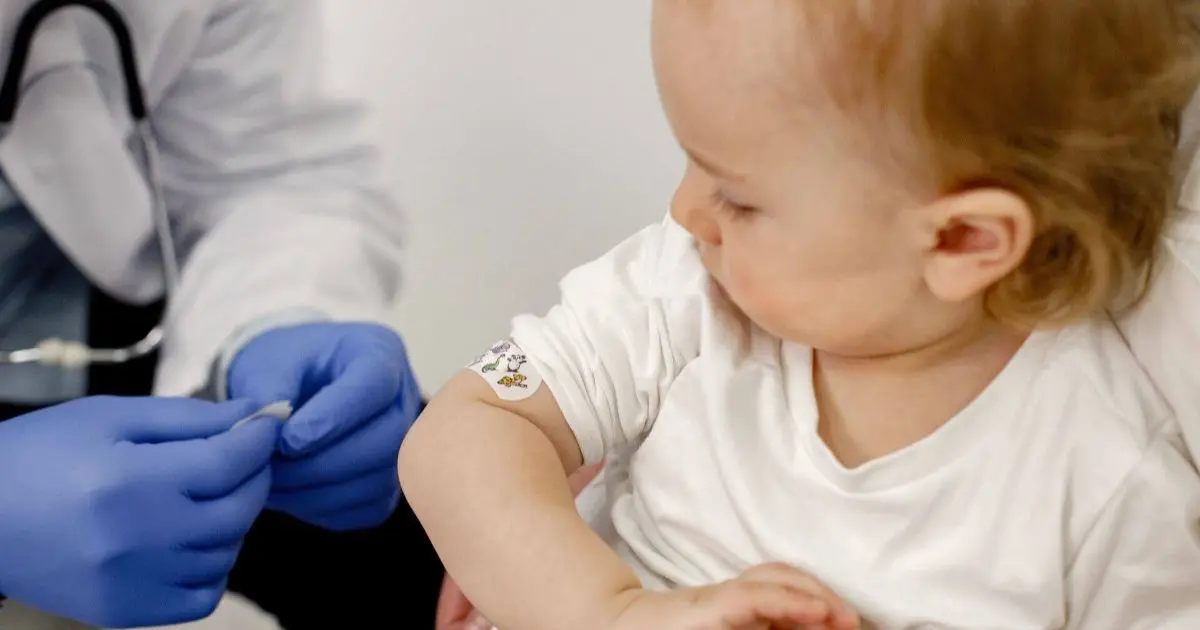
After infant vaccinations, your baby may experience vaccine reactions that are usually mild and temporary. These are not abnormalities — they’re signs that the immune system is responding and doing its job.
Common reactions may include:
Serious complications are very rare, but it’s important to be aware of them. These can include high fever, allergic reactions, or prolonged, inconsolable crying. In such cases, immediate medical attention is needed, and the event should be officially reported.
After the vaccination, a cool compress can help reduce discomfort, along with fever or pain medication recommended by your healthcare provider. However, giving medication preventively is not advised, as it may reduce the effectiveness of the vaccine.
In Summary: Just Be There
Infant vaccinations are not only medical events — they are emotional moments, too. It’s completely okay to worry, to ask questions, and to feel unsure. The good news is that you don’t have to do everything perfectly.
As a mother, your job isn’t to make the world pain-free, but to make it safe. And in that journey, infant vaccinations are important — even if sometimes difficult — stepping stones.
👉If you’d like to walk this journey feeling more prepared, more confident, and a little less worried, visit the Little Lifesavers page and explore our free downloadable resources. They’ll help you stay organized, plan ahead, and create the kind of calm and clarity you need most right now.