
Pregnancy Nutrition: What to Eat for a Healthy Pregnancy
Pregnancy is one of the most extraordinary seasons in a woman’s life — exciting, uplifting, emotional, and yes, often challenging. Your body is changing day by day, working tirelessly to create the little miracle who will soon be in your arms. But all of this requires an incredible amount of energy, nutrients, and intentional care from you.
That’s why pregnancy nutrition, meaning the way you nourish yourself during pregnancy, plays a crucial role in how you feel, how your baby develops, and even how your pregnancy unfolds.
Modern research is crystal clear: what you eat today can influence your child’s health for years to come. Your nutrition affects your baby’s growth, immune system, brain development, and even their long-term risk of issues like asthma, diabetes, or allergies.
This article walks you through the most essential nutrients and shows you how you can best support yourself and your baby through a healthy pregnancy diet.

Why Is Proper Pregnancy Nutrition So Important?
Your diet doesn’t just “influence” your baby’s development — it determines it. Every nutrient, vitamin, and bit of energy your growing baby receives comes directly from you. If you eat well, your baby thrives.
Research shows that proper nutrition during pregnancy:
The foods you eat during pregnancy are truly an investment — in your health and in your baby’s future. Back in 2007, a research team from the National Public Health Institute reported that when mothers regularly consume enough fish during pregnancy, their children are significantly less likely to develop atopic eczema and the asthma that often comes with it.
Essential Nutrients During Pregnancy
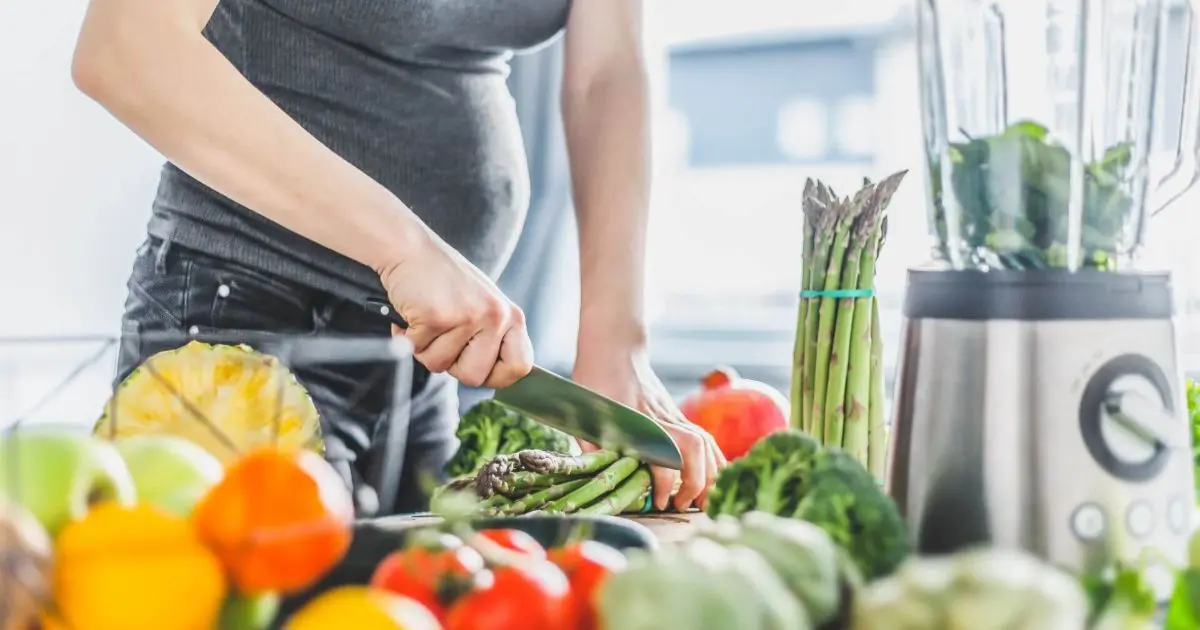
Your body is doing an extraordinary amount of work right now, so it needs far more vitamins and minerals than usual. The following nutrients are especially important components of balanced pregnancy nutrition.
1. Folic Acid (Vitamin B9) – The Life-Starting Vitamin
Folic acid is one of the most important nutrients during pregnancy. It plays a key role in cell division and the development of the nervous system.
Why it matters:
How much you need:
Experts recommend starting folic acid at least 3 months before conception — which is why taking prenatal vitamins consistently is essential.
Foods rich in folic acid:
2. Iron – The Oxygen-Transport Powerhouse
During pregnancy, your blood volume nearly doubles, which means your iron needs significantly increase. Iron is essential for red blood cell production.
Iron deficiency may cause:
Iron-rich foods:
Important: Calcium interferes with iron absorption — so try to consume them separately.
3. Calcium – More Than 300 Bones Depend on It
By the time your baby is born, they will have developed over 300 bones — which requires a tremendous amount of calcium.
Calcium supports:
It may also reduce the risk of high blood pressure and pregnancy-related complications.
Calcium-rich foods:
4. DHA – Fuel for Your Baby’s Brain
DHA is an essential omega-3 fatty acid found primarily in fish, and it’s vital for fetal brain and nervous system development. Babies whose mothers consume enough DHA during pregnancy tend to:
DHA sources: mackerel, salmon, tuna, sardines. This nutrient is one of the most important parts of a truly healthy pregnancy nutrition diet.
5. Vitamin D – Calcium’s Best Friend
Vitamin D helps your body absorb calcium and supports both your hormonal and immune systems. Studies also show that it can lower the risk of asthma and autoimmune diseases in children. That’s why it’s so important that your pregnancy nutrition includes an adequate amount of vitamin D
Sources:
Most pregnant women take at least 400 IU daily, though some need more based on medical recommendations.
6. Vitamin B6 – Your Secret Weapon Against Morning Sickness
Vitamin B6 can significantly reduce nausea and vomiting at any stage of pregnancy.
Research suggests that 25–75 mg daily may help ease these symptoms, which is why B6 is one of the commonly recommended prenatal vitamins during the first trimester.
B6-rich foods:
👉 If you’d like more information on which nutrients best support your baby’s health in pregnancy nutrition in each trimester — and which foods can help reduce nausea, bloating, or queasiness — check out this article: Easy 15-Minute Meals for Exhausted Moms
The Role of Healthy Weight
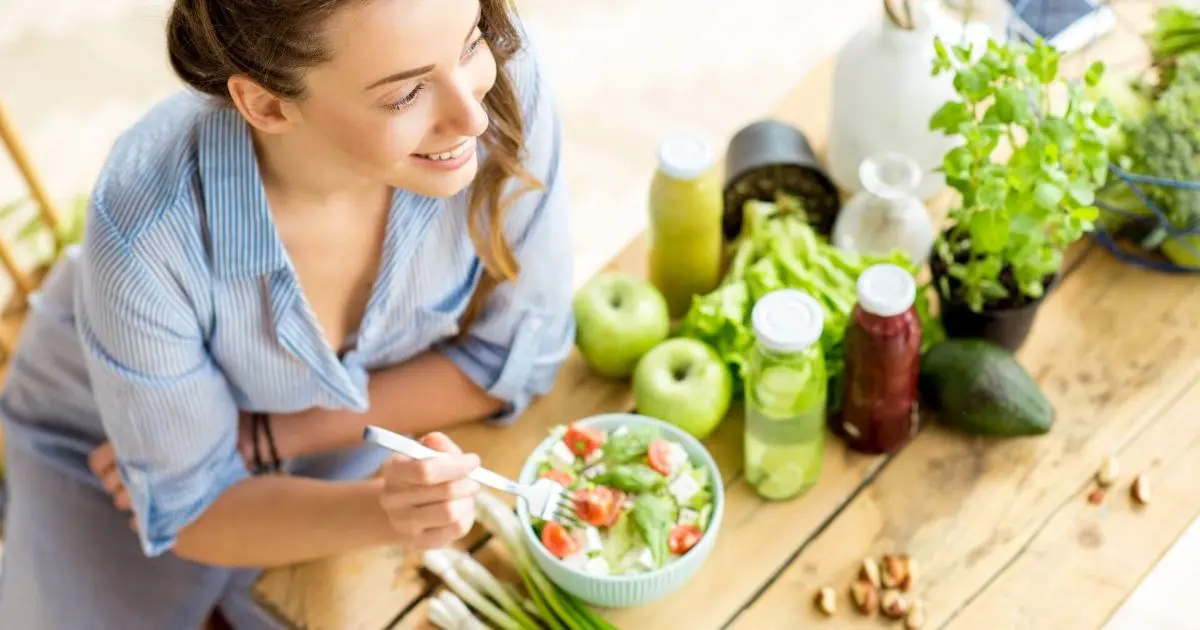
Maintaining a healthy body weight plays a key role in a healthy pregnancy. Women who are underweight for their height are at a higher risk of miscarriage or giving birth to a low-birth-weight baby. Overweight moms, on the other hand, may face more pregnancy complications or deliver a baby who is larger than average.
And it doesn’t end there — children born to overweight mothers also have a greater chance of becoming overweight later in life. Any extreme in a mother’s weight can interfere with healthy fetal development. According to a study published by the National Library of Medicine.
If you’re below a healthy weight:
If you’re overweight:
This is not about dieting — it’s about nourishing yourself well. Pregnancy nutrition is always about balance, not restriction.
Where Do the Extra Pregnancy Pounds Go?
An average newborn weighs about 2.6 kg (5.7 lbs). If you gain 9–15 kg during pregnancy, here’s how it typically distributes:
This is not “weight gain” — it’s growth. Your body is doing incredible work. Don’t let the scale scare you during pregnancy. Eat regularly, nourish yourself, and the weight will settle naturally later on.
Eating Disorders and Pregnancy
If someone struggles with anorexia, bulimia, or any other eating disorder, it’s extremely important to seek support early. Your baby receives every nutrient from you, so a pregnancy nutrition balanced diet is essential. If you’re unsure about anything, your OB-GYN or a registered dietitian can help.
What Foods Should You Avoid During Pregnancy?
The main risks come from bacteria, toxins, heavy metals, or pesticide residues in these foods. Pregnancy is not about perfection — it’s about presence, nourishment, and loving care for your growing baby. If you follow these steps, both you and your little one will be on your way to a healthier, happier pregnancy.
👉 If you’d like to walk this journey feeling more prepared, more confident, and a little less worried, visit the Little Lifesavers page and explore our free downloadable resources. They’ll help you stay organized, plan ahead, and create the sense of calm and clarity you need most right now.
👉And if you’re looking for calm, trustworthy guidance throughout your pregnancy — from early symptoms to preparation for birth — you’ll find more supportive, real-life content in our Pregnancy section.