

Baby Growth Milestones You Don’t Want to Miss: Celebrate Every Little Win

BBaby growth milestones — the key physical, motor, emotional, and cognitive stages — are the important markers your child reaches during the first year and throughout the early years that follow. They help you understand whether your baby is developing at a pace similar to their peers, and they make it easier to spot any differences or areas that may need extra support early on.
But development isn’t a checklist you simply tick off — it’s a beautiful, gradually unfolding process. It begins the very moment your baby is born: that first cry may be a reflex, but it carries enormous meaning. Your baby quickly learns that their voice connects them to you — when they cry, you come, lift them, feed them, change them, comfort them. This is how they discover that the world responds to their tiny signals.
As the weeks and months pass:
Meanwhile, you are also walking your own path of becoming a mother: the exhaustion, the tenderness, the uncertainty, the joy, and all those moments when you quietly ask yourself, “Am I doing this right?”

1 Month: Tiny Movements, Big Beginnings
Movement
A one-month-old baby still moves in slightly uncoordinated, jerky motions. Their muscles are relatively tight, their little fists usually stay closed, and they often tuck their thumbs inside their palms. From birth, they can lift or turn their head slightly, and they instinctively orient toward light or sound.
Cognitive & Emotional Development
That very first cry is still a reflex, but your baby learns quickly: when they cry and you come, it teaches them that their voice can call you for help. In the first weeks, they focus only for a moment on bright, moving objects, but by week four they may already notice unfamiliar faces. Their activity level decreases when they hear a gentle, chiming sound — it catches their attention. They only notice toys that are very close to their face, and they can follow movement with their eyes only to the midline for now.

Tips :
Contact a professional if your baby seems unusually floppy or overly stiff, if you notice rigid or spasmodic movements, or if something about their motor skills simply doesn’t feel right — in these cases, it’s always best to check with your pediatrician or healthcare provider.
👉Early routines — especially around sleep and wake time — gently shape your baby’s sense of safety and predictability. If you’re feeling unsure about how (or when) to start, Baby Sleep Schedule Secrets Every Tired Mom Should Know offers calm, realistic guidance without rigid rules.

2 Months: First Smiles and Early “Conversations”
By the second month, your baby often feels much more “alive” and present — as if they’re really arriving into the world. These are beautiful and important baby growth milestones.
Movement
On their tummy, your baby can lift their head more strongly now. Those tightly clenched little fists slowly start to open, and by the end of the month they may push up on their forearms and lift their chest to about a 45-degree angle. For part of the day, their palms are already open, they often bring their hands to their mouth, and if they see them, they’ll even watch their own hand movements with interest.
Speech & Sounds
Around this time your baby starts to “play” with their own voice: smacking, cooing, gurgling, and making all kinds of little sounds. This helps strengthen the muscles involved in feeding and speaking, and it also tells you a lot about their mood. By about 2–3 months, cooing becomes more frequent, full of throat-based vowel sounds. You naturally respond and repeat those sounds — and that’s how your very first “conversations” are born.
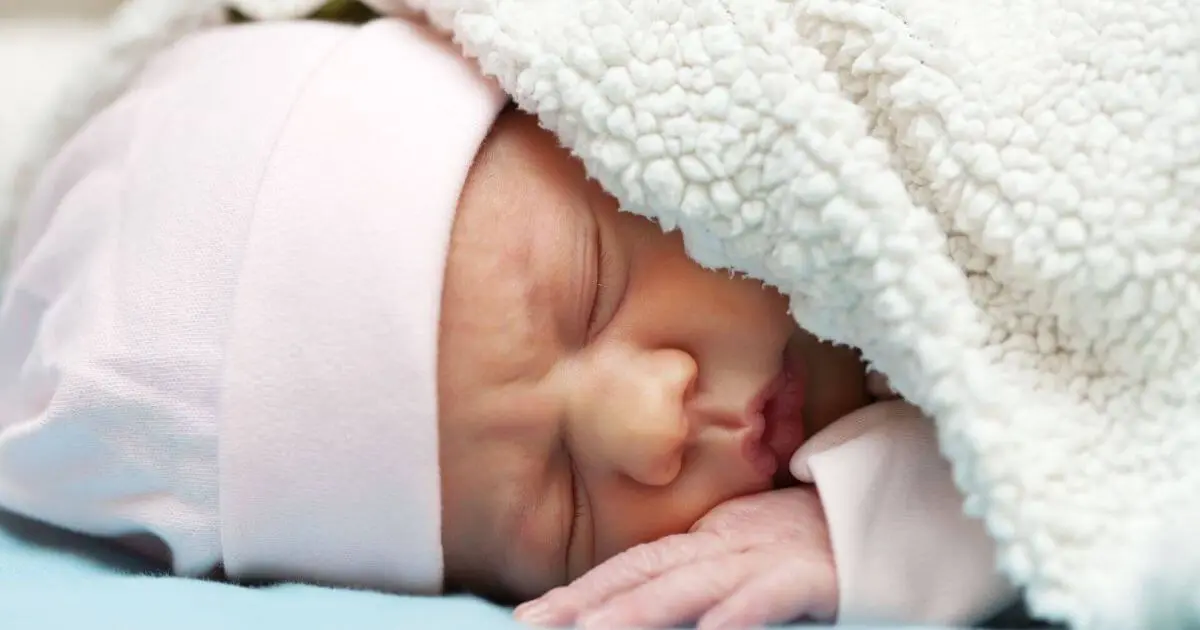
Cognitive & Emotional Development
At around six weeks, many babies begin to smile back at familiar faces. When you talk to them or there’s a noise nearby, they turn their head toward the sound. They also watch their hands and closely follow the movement of people and objects around them.
Tips :
If your baby reacts very little to sounds, seems unusually stiff or jerky in their movements, or something about their behavior feels “off” to you, it’s always worth asking your pediatrician or another professional to take a closer look.
3 Months: Baby Gym and World-Class Babbling
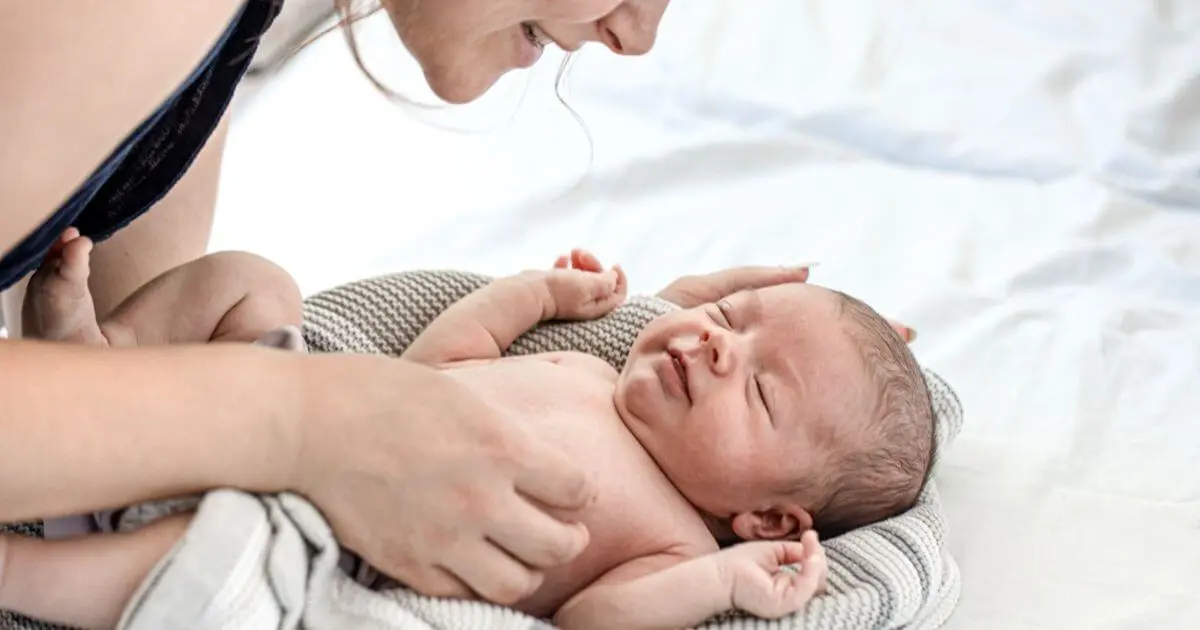
By three months, your living room might already look like a mini baby gym — your little one loves to move, explore, and make all kinds of adorable sounds.
Movement
Your baby moves their arms and legs constantly, often watching them as if they’re toys. During tummy time, they can push up on their forearms and lift their head anywhere between 45 and 90 degrees. Their palms are usually open now, and they can grasp objects placed in their hands, though they still can’t reach for them intentionally.
Speech & Sounds
At this stage, vocal play is still not purposeful communication — it’s pure, joyful experimentation. One of the exciting baby growth milestones is when your baby realizes they are the ones creating these sounds. They listen to themselves, repeat the noises, and happily experiment with over 200 sound combinations — far more than they’ll eventually need for their native language. That’s why you might hear “French nasal sounds” or even “African click-like” noises. Over time, their environment naturally shapes this wide range into the sounds of the language they hear every day.
Cognitive & Emotional Development
Your baby now smiles not only in response to you, but spontaneously as well. They glance at objects placed in their hands and follow moving — especially brightly colored — toys with their eyes. They still struggle with depth perception, so hitting or grabbing a toy usually happens by accident.
Tips :
Contact a professional if your baby doesn’t respond to your voice or louder noises, doesn’t turn toward sounds, doesn’t react to light, or doesn’t follow moving objects with their eyes.
4 Months: Rolling, Laughing, Grabbing
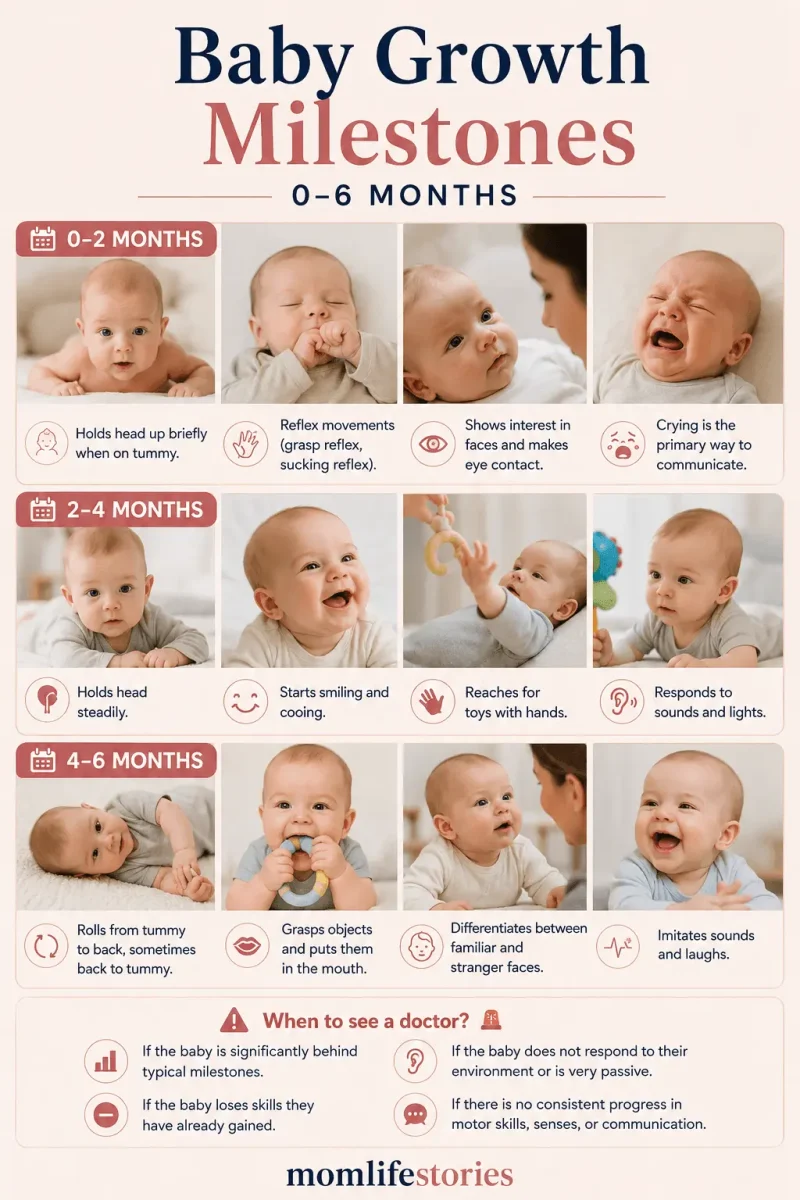
By now your days probably feel much more active — and for good reason. At four months old, babies are busy practicing some exciting new baby growth milestones.
Movement: On their tummy, your baby can lift their head to about 90 degrees. They may start rolling onto their side, and sometimes even from their side all the way onto their tummy.
They’re fascinated by their hands and fingers, and they’ll grab and shake a rattle placed in their hand, though they still can’t pick up objects on their own.
Speech: Babbling becomes their favorite “solo game.” In addition to vowel sounds, the first consonants appear: p, b, m (lip sounds), and later t and d (tongue-to-teeth sounds).
Cognitive & Emotional Development
Your baby watches the toys in their hands with great interest, and their emotional reactions are just as active as their little body — they “light up” with excitement when you move something in front of them. They’re now reaching for objects you hold out, and they love watching anything that moves. Loud giggles, joyful babbling, and happy squeals are all common when they’re content.
Tips :
Contact a professional if your baby still doesn’t respond to their name, to sounds, or to light, doesn’t follow moving objects with their eyes, or if you haven’t heard a genuine laugh by four months old.
👉Moments like these — the smiles, the eye contact, the tiny responses — are deeply emotional for both of you. If you’re navigating the early bonding days alongside breastfeeding challenges, The Truth About Breastfeeding: The Pain, the Tears, and the Tiny Victories offers an honest, comforting look at what this season can really feel like.

5 Months: Rolling Both Ways and Sound Play
Movement
By five months, your baby can roll easily from tummy to back and back to tummy. Intentional reaching appears now — they can grab a toy they want, though letting go is still tricky. They enthusiastically bang on the table, splash during bath time, and explore the world with growing confidence.
Speech
This is when sound doubling begins — another exciting baby growth milestone: ba-ba, pa-pa, ma-ma. Your baby listens to their own voice, plays with it, and repeats the sounds over and over again.
Cognitive & Emotional Development
Your little one smiles at their reflection in the mirror, even though they don’t yet realize they’re looking at themselves. They respond happily to familiar voices and imitate your facial expressions (like sticking out your tongue). They recognize familiar faces, but their memory is still short — if they haven’t seen someone for a week, that person may seem unfamiliar again.
Tips :
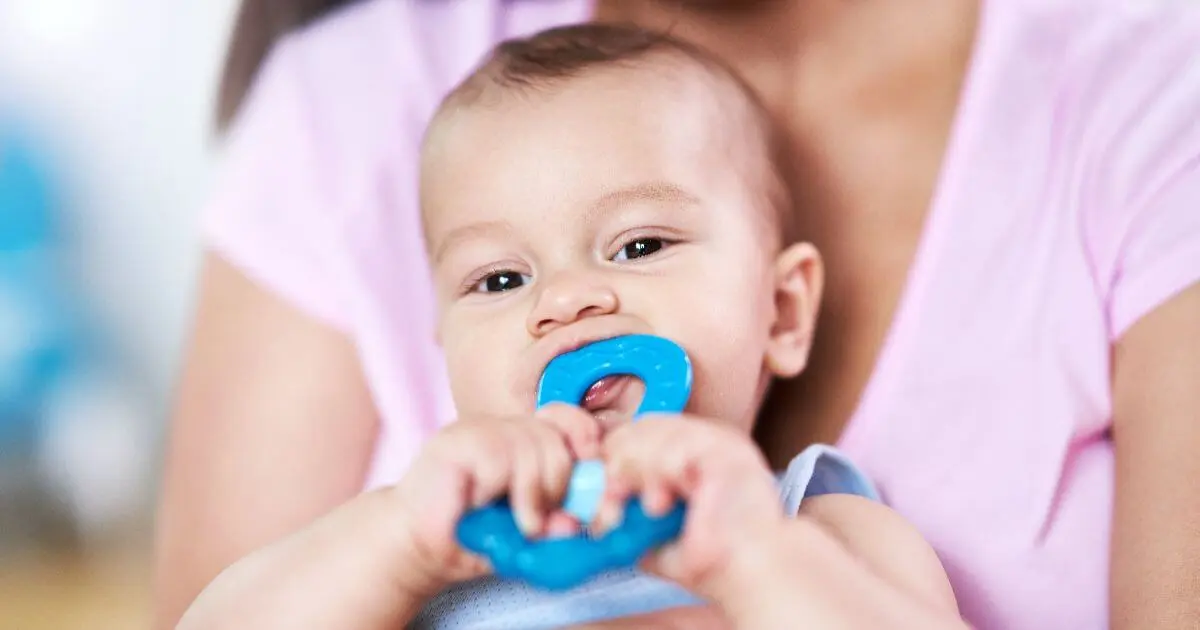
6 Months: Rolling, Reaching, and Social Butterflies
Half a year marks a major milestone in baby growth milestones. Many families begin introducing solid foods around this time, and your baby’s social and motor development becomes more active than ever.
Movement
Your baby can confidently roll both ways — from tummy to back and back again. They move around by pushing up on their hands and knees, and they often scoot or crawl on their belly. They explore with both hands and feet, reaching for anything within sight. They grab, bang, drop, and retrieve objects — and, of course, everything goes straight into the mouth. They typically grasp items with both hands, using the palm and three fingers, while the index and middle fingers are not yet fully active.

Speech
Long, repetitive babbling appears: bababa, mamama, papapa. These aren’t intentional “words” yet — just combinations of the most common sounds your baby practices.
Cognitive & Emotional Development
Your baby recognizes you and lights up when you speak to them. They imitate sounds like coughing or sticking out their tongue and often initiate their own “conversations.” They examine objects with deep curiosity. Around six months, many babies begin to fear unfamiliar faces and become more clingy — this is a normal part of development.
Tips :
Contact a professional if by 5–6 months your baby still only stares at their own hands or feet, doesn’t fix their gaze on objects, doesn’t react to light, or their pupils don’t narrow in sudden brightness — these signs are worth discussing with your pediatrician.
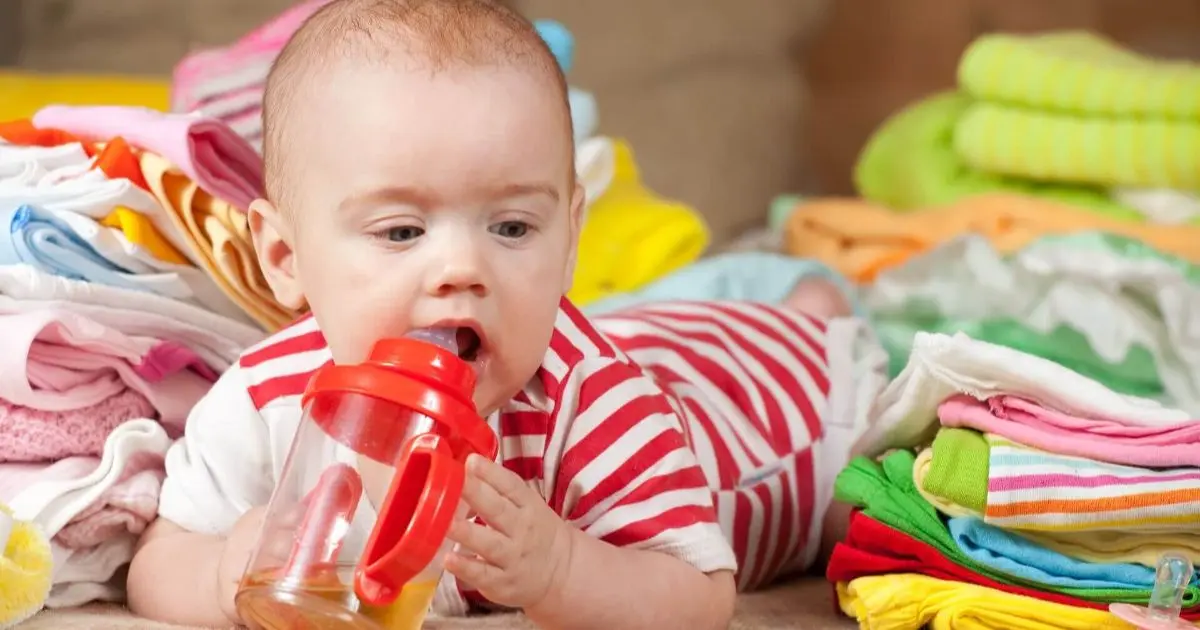
Celebrating the First Months — and What Comes Next
These first months are filled with tiny triumphs — the first smiles, the first intentional movements, the first sounds that feel like little conversations. And even if the days sometimes feel exhausting or uncertain, every small gesture, sound, and grin shows that your baby is growing beautifully, at their own pace.
As you’ve seen, the early baby growth milestones already bring so many exciting changes… but the next six months are going to be even more magical. This is when the real adventure begins: scooting, crawling, pulling up, cruising along the furniture, belly laughs, and those first real words — the kind that melt your heart on the spot.
👉If you’re ready to discover what’s coming next between 7 and 12 months, continue here: Baby Growth Milestones Part 2: What to Expect From 7 to 12 Months

Every little win brings your baby closer to big new skills — and you closer to becoming the confident mama you’re meant to be. Let’s keep going and explore the next chapter together.
👉If you’d like to walk this journey feeling more prepared, more confident, and a little less worried, visit the Little Lifesavers page and explore our free downloadable resources. They’ll help you stay organized, plan ahead, and create the kind of calm and clarity you need most right now.
👉And if you’re looking for gentle guidance beyond individual milestones — support that follows your baby’s development as a whole — you’ll find more age-based insights and real-life baby growth guidance in our Baby Growth section.