

Baby milestones 7 to 12 months: What to Expect in the Next Big Stage

If you thought the early months were already incredible, the baby milestones 7 to 12 months stage is about to surprise you even more. During this next half-year, your baby seems to grow and change almost overnight — one moment they’re scooting on the floor, and the next they’re standing proudly at the edge of the couch, looking at you as if to say, “Look, Mom — I can do it!”
This period is filled with true “wow moments”: real crawling, pulling up to stand, those first wobbly side steps, playful imitation, belly laughs, and the early words that make your heart melt instantly. It’s a time when your baby discovers not only how their body works, but also how they can influence the world around them.
But the baby milestones 7 to 12 months journey isn’t just about motor skills and first words. Emotional awareness deepens, curiosity explodes, bonding becomes stronger, and your little one begins to understand more about themselves — and about you. Your presence becomes an anchor, a safe place they return to between each brave little adventure.
Now let’s walk through the major milestones waiting for you between 6 and 12 months, and explore how you can gently support your baby as they take the next big steps in their incredible first year.
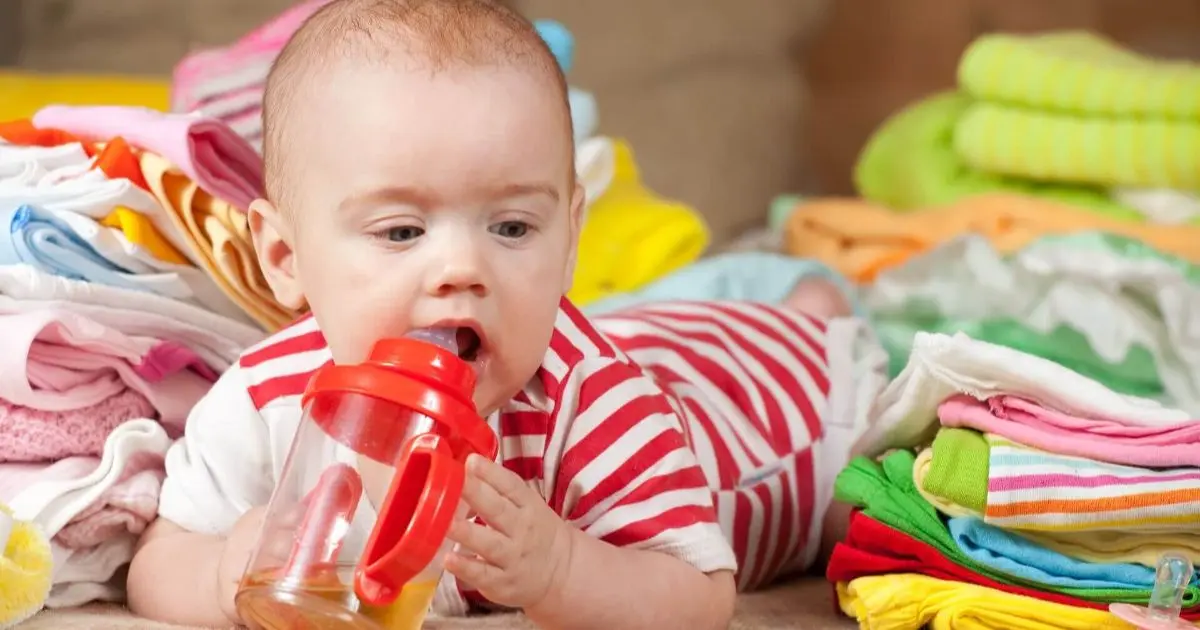
7 Months: baby milestones 7 to 12 months — Crawling Starts, Pulling Up, and Clearer Communication
By seven months, you’re right in the heart of the baby milestones 7 to 12 months journey — a phase where daily changes feel bigger, more intentional, and incredibly exciting.
Movement
Your baby now rolls easily in both directions, often using rolling as a way to get from one spot to another. They start pushing themselves backward and then forward with their elbows — the early stages of true crawling, one of the key baby milestones 7 to 12 months.
Around this age, the radial grasp appears: your baby can purposefully pick up objects rather than just grab at them. Some babies may already pull up to stand while holding onto furniture. They pass toys from hand to hand and love banging two objects together.
Speech
They repeat simple syllables like pa, ma, mam-mam-mam — joyful babbling that becomes more responsive and interactive. You’ll notice more laughter, squeals, and “answering back,” showing that communication is becoming a two-way experience.
Cognitive & Emotional Development
Even without words, their communication is surprisingly clear. They lift their arms when they want to be picked up and press their lips together when they don’t want more food. They enjoy being around people, and everything goes into their mouth — part exploration, part teething comfort.
Tips :
Invite your baby to join family mealtimes — even if they’re just sitting in the high chair. Watching conversations and observing how you eat helps them learn social routines and builds natural interest in food.
Contact a professional if at 7 months your baby does not reach for toys, doesn’t babble, doesn’t imitate sounds, doesn’t roll, or shows no signs of early crawling.
👉As your baby becomes more active and curious, questions about health and safety naturally come up too.
The Real Mom’s Guide to Baby Vaccinations: What to Expect Before, During & After walks you through everything you need to know — honestly, calmly, and without panic.
8 Months: Crawling Practice, Standing Up, and Peekaboo Joy
At eight months, baby milestones 7 to 12 months shift into a more mobile and socially interactive phase — this is where curiosity truly takes off.
Movement
Your baby crawls, scoots, or pushes up onto all fours. Some begin true crawling now, even if at first it’s backward. Many babies can pull up to stand by holding onto the playpen or furniture — a major milestone in the baby milestones 7 to 12 months progression. The inferior pincer grasp begins to form, allowing them to pick up smaller objects with increasing precision.
Speech
Babbling becomes more intentional. Instead of reflexive noises, they begin active imitation, repeating syllables like pa-pa or da-da — though still without assigning meaning.
Cognitive & Emotional Development
Your baby turns toward their name, imitates sounds they hear, and absolutely loves the peekaboo game — a fun way to practice object permanence, a key cognitive skill in the baby milestones 7 to 12 months. They explore their reflection in the mirror, tapping or touching it, even though they don’t yet recognize themselves. Some babies begin responding when you say “no.”
Tips :
For practicing crawling, firmer flooring is better than a soft mattress. Create a spacious, safe environment where your baby can move freely and explore.
Contact a professional if at 8 months your baby doesn’t roll onto their tummy, shows little interest in sound-making toys, doesn’t babble, or doesn’t reach for objects.
👉 If breastfeeding feels harder than you expected, you’re not alone.
The Truth About Breastfeeding: The Pain, the Tears, and the Tiny Victories offers an honest look at the struggles — and the small wins that truly matter.

9 Months: Sitting, Real Crawling, and Intentional Play
Movement
By nine months, your baby can sit independently. Crawling becomes more coordinated — many babies first move backward before figuring out how to go forward. If they can hold onto something, they’ll often pull themselves into a kneeling position.
Fine motor skills make a big leap too: they can pick up small objects with purpose and love transferring toys from one container to another. These are all important milestones within the baby milestones 7 to 12 months stage.
Speech
Between 9 and 11 months, you’ll hear lots of repetitive babbling (bababa, gagaga). Sometimes “mama” or “baba” pops out, though it may not yet be used intentionally for the right person or object.
Cognitive & Emotional Development
Babies at this age are incredibly curious. They notice everything and point with their index finger to show interest. They intentionally drop objects and pass them from one hand to the other. Peekaboo and clapping games are huge favorites. When they hear conversation, they often pause and listen. They’re also very attached to their primary caregiver and may struggle when that person leaves their sight.
Tips :
– Place toys so your baby has to “work” a little to get them: crawling, reaching, climbing, or transferring.
– Establish a bedtime story routine — it’s grounding for both of you and an important part of the baby milestones 7 to 12 months developmental journey.
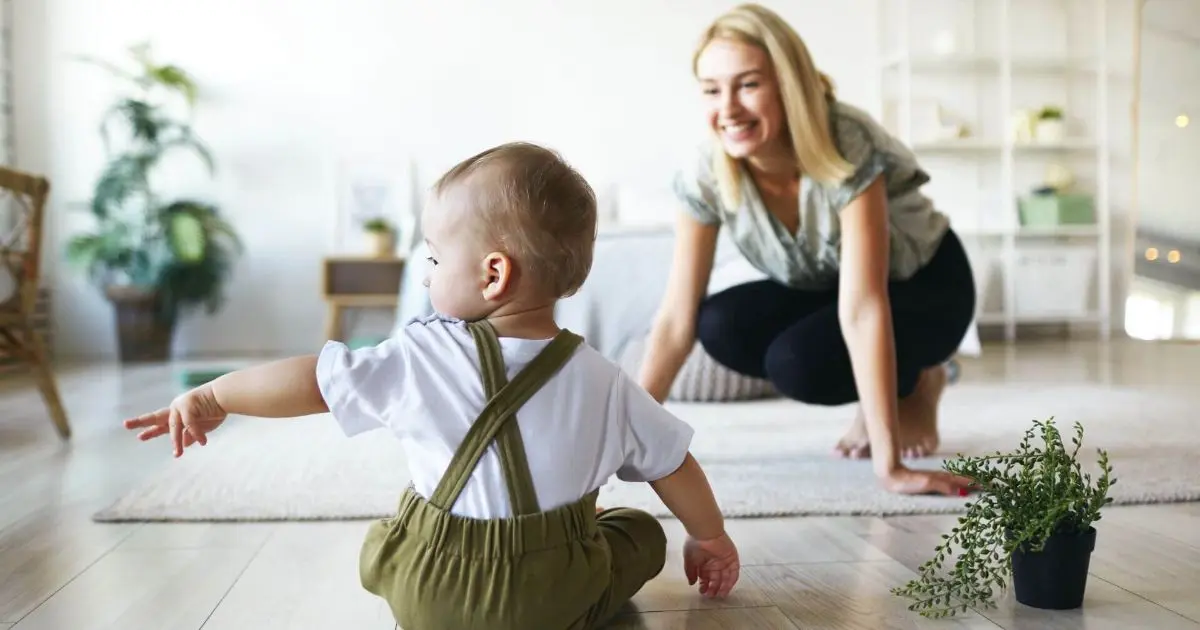
10 Months: Standing and First Side Steps
The tenth month is another exciting chapter in the baby milestones 7 to 12 months journey, as your baby gets closer to taking their first independent steps.
Movement
Your baby can sit steadily and transition from sitting to their tummy. They pull themselves up to stand, and the very early signs of walking begin to appear — small, uncertain side steps while holding onto furniture. Their balance is still developing, which is why movements look wobbly and tiptoe-like.
Speech
Between 10 and 12 months, babies begin to understand more frequently used words like “mama,” “papa,” “no,” “eat,” and “drink.” They try to imitate these, and this is often when the first real, meaningful words appear. They practice by echoing the sounds and words they hear.
Cognitive & Emotional Development
Your baby responds to their name and often stops when you say “no.” They enjoy playing independently while sitting, placing small objects into larger containers. If you ask, they may wave “bye-bye.” Repetitive games and rhymes delight them, and they’ll hold out their hand for “more, more.” Separation anxiety may peak during this period — completely normal within the baby milestones 7 to 12 months stage.
Tips :
– Just like in month 9, place toys so your baby needs to move, reach, or stretch to get them.
– Keep the bedtime story routine going — it’s incredibly helpful for language development later on.

11 Months: Letting Go (Literally)
Month 11 is full of intentional movements and early independence — an important part of the baby milestones 7 to 12 months timeline.
Movement
Your baby now masters intentional release: they love to drop, toss, and rearrange objects. They pull themselves up, side-step while holding onto furniture, and eventually let go to stand on their own for a few seconds.
Speech
Many babies begin to say simple words like “mama” or “baba,” and they often use them correctly.
Cognitive & Emotional Development
If you ask for a toy, they may hand it toward you (even if they don’t always let go). When you set a limit, they may shake their head “no.” They help during dressing by pulling their arm out of a sleeve. If you ask, they may give a sweet little kiss. They also remember past events — another key cognitive step within the baby milestones 7 to 12 months development.
Tips :
– Keep offering lots of interactive play, imitation games, songs, and predictable routines — these give structure and security.
👉As your baby experiments with independence, predictable routines become even more important — especially around sleep. Baby Sleep Schedule Secrets Every Tired Mom Should Know helps you create a rhythm that supports both growing confidence and better rest.
12 Months: First Steps and First Words
Reaching one year marks the peak of the baby milestones 7 to 12 months journey: first steps, first words, and increasingly intentional communication.
Movement
With your hands for support, your baby may already walk short distances, and most children take their first independent steps between 12 and 13 months — though anywhere from 9 to 16 months is normal. Their steps are quick, short, and sometimes on tiptoes. They grasp crayons or pencils with their whole hand and experiment with scribbling. At mealtimes, they may ask for the spoon and try feeding themselves.
Speech
The first real words emerge, used intentionally and consistently. Many babies also invent their own “words” (like “iszi” for drink). Repeated syllables remain common — a normal part of early speech. One-word phrases often express entire ideas, with tone and gestures adding meaning.
Cognitive & Emotional Development
Your baby begins moving from “situational understanding” to true word comprehension. They follow simple instructions and know what many objects are used for. They find hidden toys and enjoy “hide and seek” games. They may stack 2–3 blocks. They respond with joy to familiar faces and may seem indifferent toward strangers.
Tips :
– Spend plenty of time reading and looking at picture books together.
– Involve your baby in everyday activities: “bring me that,” “put this here.” It builds confidence and a sense of competence.
A Few Final Truths About Baby Growth Milestones
👉And if you’re looking for gentle, real-life guidance beyond milestones — support that sees both your baby and you — you’ll find it on MomLifeStories.
👉If you’d like to walk this journey feeling more prepared, more confident, and a little less worried, visit the Little Lifesavers page and explore our free downloadable resources. They’ll help you stay organized, plan ahead, and create the kind of calm and clarity you need most right now.