

Trying to Conceive? What Really Matters Before You Get Pregnant
If that little voice inside you has been whispering, “Okay… I’m ready for a baby,” chances are your heart and your body have already started sending gentle signals. Maybe you first felt that surprising tug in your chest while standing in front of your friend’s growing bump, or maybe each month you find yourself watching your body with quiet hope — could it be this time?
The trying to conceive phase has a unique energy to it: a mix of excitement, anticipation, and, at times, disappointment and uncertainty. Most of us grow up thinking that getting pregnant just… happens. It’s what we’ve been told, what we’ve seen, and what we assume is the natural next step. But once you actually begin this journey, you quickly realize it’s far more layered than you ever imagined. Hormones, cycles, ovulation, lifestyle choices, stress levels, vitamins — and sometimes even hidden health conditions you never considered — all come into play.
This article is here to guide you through that complexity. Not with medical textbook lists or overwhelming instructions, but with a warm, honest, and down-to-earth look at what truly matters before you start trying for a baby — so you can feel more confident, more informed, and a whole lot less alone during this tender, hopeful chapter.

When the Desire Is There, but the Positive Test Still Isn’t
There are moments when you feel it deep inside: you’re ready. And then there are months when your body seems to have a completely different opinion. Many couples experience this strange in-between state — emotionally already connected to the idea of a baby, yet physically still waiting. If you’re in this chapter right now, it’s absolutely okay. The trying to conceive phase isn’t usually long because something is “wrong,” but because conception itself is a beautifully delicate, finely coordinated process.
Your hormones, your cycle, follicle development, the openness of your fallopian tubes, the receptivity of your uterine lining, and your partner’s sperm health all need to be in sync. And when you add lifestyle factors, stress, vitamin deficiencies, or even slight shifts in weight, it becomes clear how many tiny details influence whether conception happens in a particular month.
It’s no surprise that many women instinctively start to wonder, “When should I see a doctor? How long is still normal?” Most experts recommend seeking evaluation after one year of trying if you’re under 35, or after six months if you’re over 35. But it’s equally valid to reach out sooner if you simply want clarity, peace of mind, or reassurance along the way.
Understanding Your Cycle: One of the Most Important Keys to Getting Pregnant
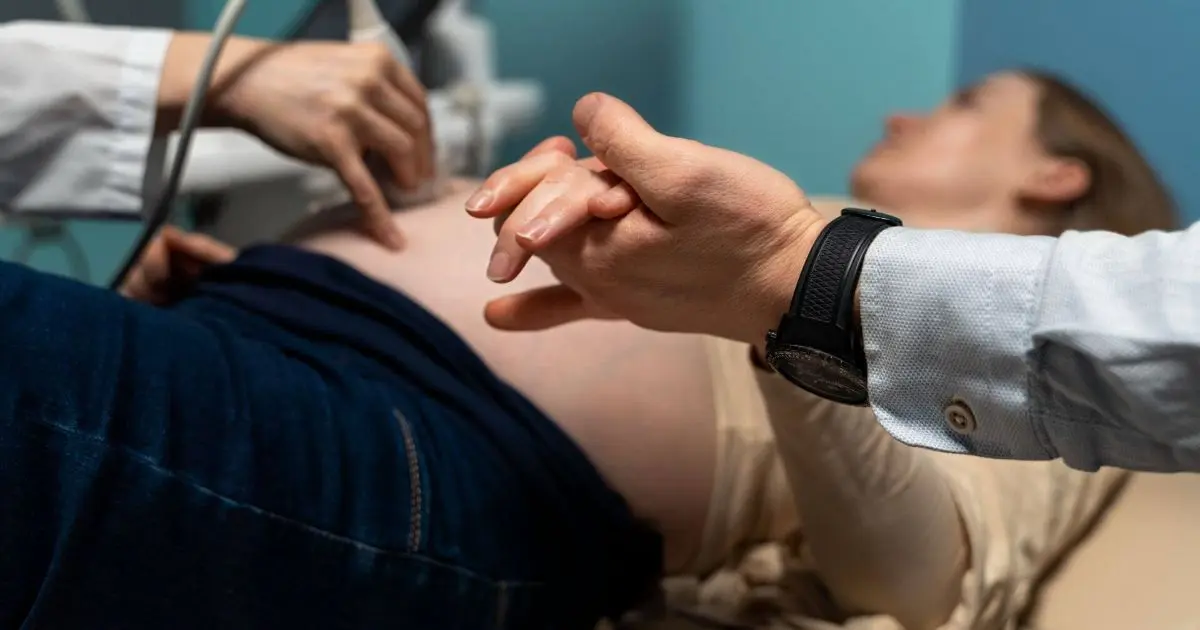
You might be paying closer attention to your body now than ever before. The texture of your cervical mucus, that familiar breast tenderness, tiny shifts in your temperature — little details you barely noticed before suddenly feel meaningful. This is the moment when you realize just how much it matters to truly understand your cycle.
One of the most fascinating parts of the trying to conceive journey is discovering that ovulation isn’t a perfectly predictable “day,” but more of a window. Maybe you feel a sharp twinge in your ovary, maybe your basal body temperature subtly changes, or maybe an ovulation test picks up the rise in hormones. Every woman experiences it differently, and that’s completely normal.
If your cycle tends to be irregular or skips a month here and there, it doesn’t automatically mean something is wrong — but it can be a gentle nudge to look at your hormones more closely, such as checking for PCOS or thyroid issues. The good news? Most of these conditions are manageable, and with the right support, they can significantly improve your fertility.

Lifestyle Choices That Truly Make a Difference
Many women describe preparing for a baby as a kind of “deep clean” — not in your home, but inside your body and mind. It’s like getting everything ready for a very special guest, only this time the home you’re organizing is you. Replenishing your vitamin stores, supporting your hormonal balance, and strengthening your overall health all play a meaningful role in this phase.
Folic acid, for example, is almost non-negotiable during the trying to conceive stage. It’s not an exaggeration to say it’s one of the most important steps you can take. A daily dose of 400 micrograms helps prevent neural tube defects, and it’s ideal to begin taking it 1–3 months before you start trying.
Smoking, on the other hand, is one of those factors that significantly reduces the chances of getting pregnant — it affects egg quality, the receptivity of the uterine lining, and sperm mobility as well. And while the occasional drink might not seem like much, alcohol can disrupt hormonal balance, which is why it’s best to ease up on it during the preparation period.
A balanced diet, a healthy weight, and simple stress-reducing habits all help your body get ready for conception. It’s not about changing your entire lifestyle overnight — it’s about small, steady choices that gently guide your body toward the healthiest version of itself.
What Happens After You Stop Birth Control?
This is one of those topics surrounded by so many myths. Some people believe it takes months for the hormones to “leave your system,” while others are convinced they’ll get pregnant immediately after ditching the pill.
The truth usually lives somewhere in between.
For most women, it takes about 1–3 months for their cycle to regulate again — but ovulation can absolutely return in the very first cycle.
In fact, your trying to conceive journey often begins right here, as your body gently shifts back into its natural rhythm.
If you notice odd, skipped, or unusually short cycles, it doesn’t necessarily mean something is wrong; it often just means your body is recalibrating.
What truly matters is paying attention to how your body responds. And if anything feels persistently irregular or concerning, a gynecologist or endocrinologist can offer clarity, reassurance, and guidance.
👉These surprising early pregnancy signs can show up even before your missed period — don’t overlook them!
Extra Tip: What to Know Before Yo Stop Birth Control
When Age and Health Factors Come Into the Picture
Most women become a little more aware of their bodies after 35 — and that’s completely normal. Age doesn’t mean you can’t get pregnant; it simply means it’s worth paying closer attention to your cycle and reaching out to a specialist if needed. The truth is, many women conceive between 35 and 40, and plenty do so even beyond that.
Certain conditions, like endometriosis or PCOS, can make conception more challenging. But that doesn’t mean you won’t be able to have a baby — it just means your body may need a little extra support. During the trying to conceive phase, these evaluations are often not scary at all, but rather reassuring: they give you clear information about how to best help your body along the way.

What You Can Take With You From All This
First things first: you’re not alone. Getting pregnant isn’t always as straightforward as the stories make it sound — and none of that means anything is wrong with you or your body. You haven’t failed, and you’re not doing anything “incorrectly.” Millions of women walk this path: some need more time, some need a little support, and some simply need patience.
Second: preparing for pregnancy can actually be a beautiful and grounding process. Turning toward your body, paying attention to its signals, and prioritizing your own health and well-being are meaningful steps in themselves — even if that positive test hasn’t shown up just yet.
The trying to conceive journey is exactly that: a journey. Sometimes winding, sometimes gentle, sometimes challenging. But with every step, you’re moving closer to what your heart has been wishing for.
👉If you’d like to walk this journey feeling more prepared, more confident, and a little less worried, visit the Little Lifesavers page and explore our free downloadable resources. They’ll help you stay organized, plan ahead, and create the kind of calm and clarity you need most right now.
👉And if you’re looking for a place that supports you through every stage — from trying to conceive to pregnancy, birth, and motherhood — you’ll find real-life guidance and reassurance on MomLifeStories.