

What to Watch for During Summer? Sensory Activities Toddlers and Babies Love (0–12 Months)
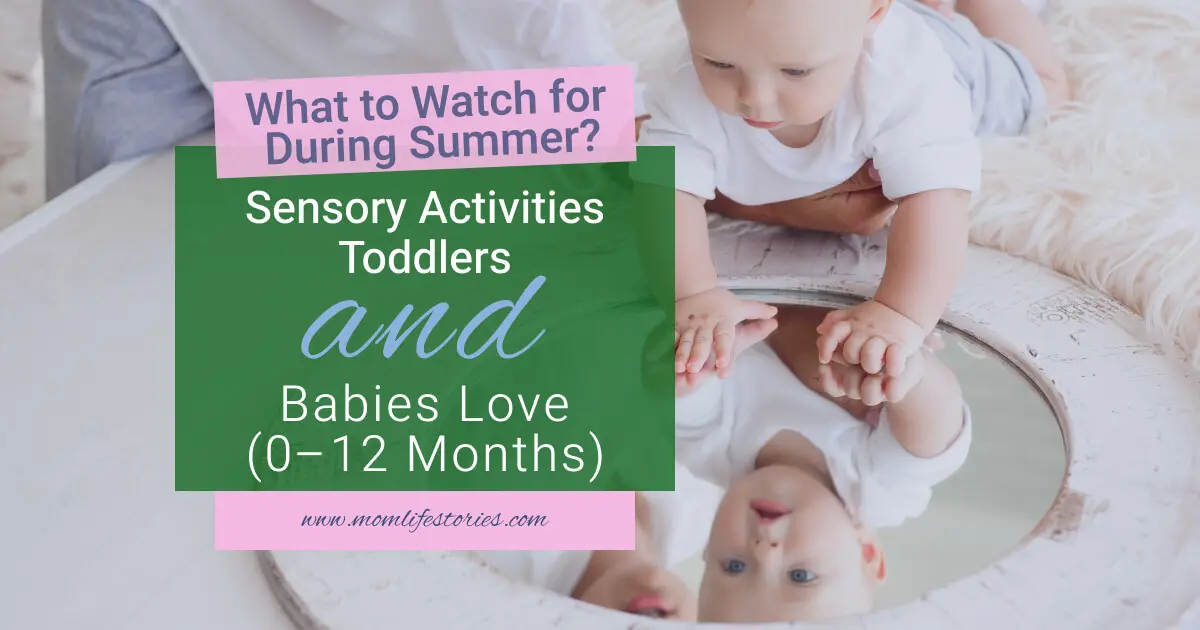
Baby exploring reflection and textures during playtime, supporting early learning and development through sensory activities toddlers and babies naturally enjoy in the first year.

Sensory activities toddlers and babies enjoy are about so much more than simple developmental games — they are some of the very first experiences through which little ones begin exploring and understanding the world around them.

And honestly? A baby’s first summer is full of natural sensory experiences. Sand, water, grass, sunshine, summer breezes, textures, and outdoor sounds all provide gentle stimulation that can beautifully support early sensory development.

If you’re currently pregnant or spending the first year with your baby, you’re in the right place. This isn’t about creating perfect schedules or planning complicated activities. It’s about understanding what’s happening inside your baby’s growing little world during play — and learning how simple summer moments can naturally support curiosity, connection, and development in the easiest, most natural way possible.
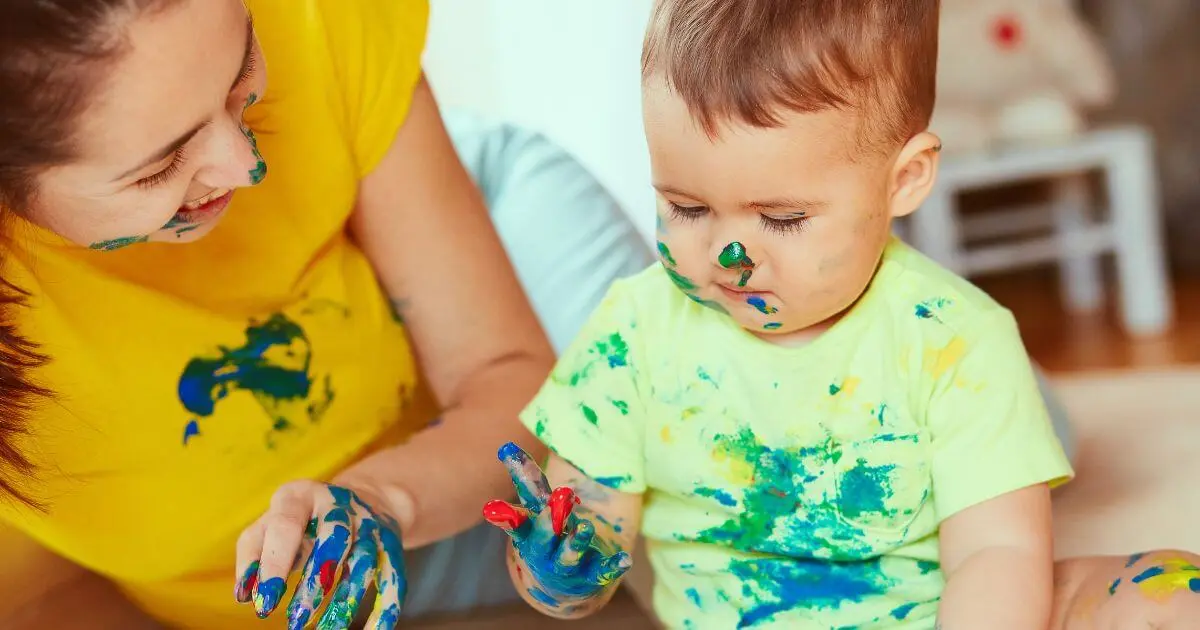
Toddler and mother exploring colorful messy paint play together, encouraging creativity, touch, and early learning through sensory activities toddlers and babies enjoy at home.

What Does Sensory Development Mean During the First Year?

During the first year of life, babies learn about the world entirely through their senses. Sight, hearing, touch, smell, and taste are all developing at the same time, while the brain constantly builds new neural connections with every new experience. That’s why sensory activities toddlers and babies enjoy are not just simple games — they are an essential part of healthy brain and nervous system development.

Newborns can only clearly focus on objects about 8–12 inches away, and at first, they mostly see the world in shades of gray. Around two months old, their vision slowly becomes sharper, and by their first birthday, their eyesight is much more developed. Hearing, however, is active from birth. Babies already recognize their mother’s voice and quickly begin turning toward familiar sounds.
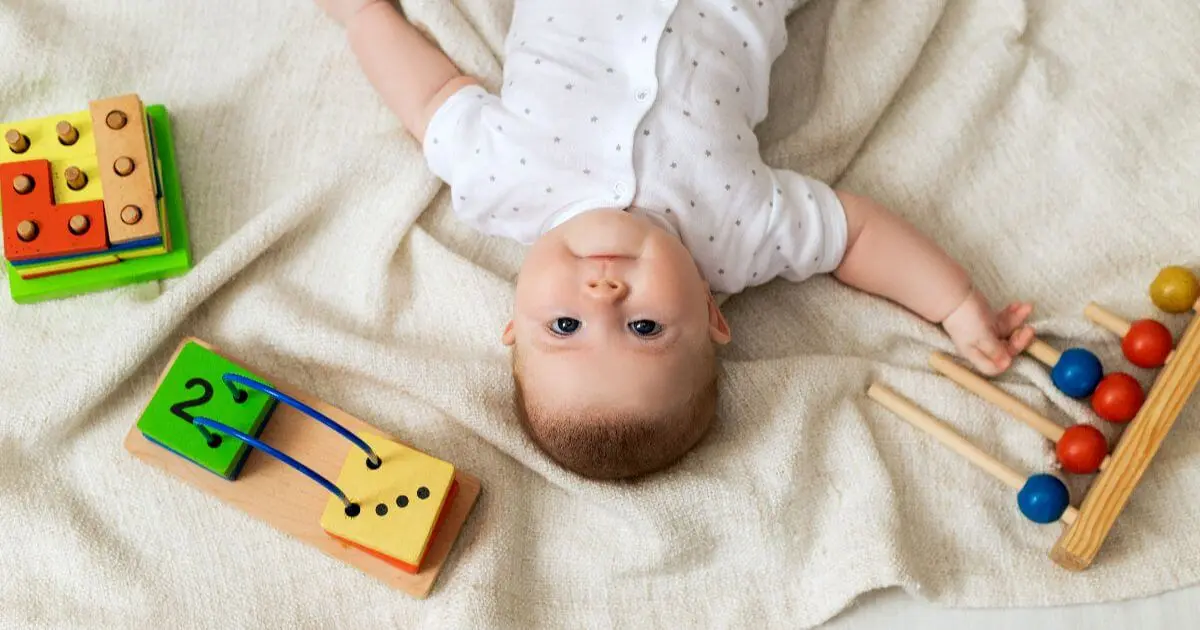
Mom and baby enjoying Sensory Activities Toddlers love, exploring colorful toys, blocks, textures, and interactive play together on the living room floor.

Touch also develops rapidly during the first year. In the beginning, babies explore almost everything with their mouths, but by four to five months old, they start reaching, grabbing, squeezing, and discovering different textures with their hands. One of the most important things to remember is that every baby develops at their own pace. This is exactly why sensory activities toddlers and younger babies experience work so well — they are not about pressure, performance, or milestones.

They are about giving your child safe, natural, and varied experiences that support development in a gentle way. You do not need complicated activities or perfectly planned routines. Sometimes, the simplest everyday summer moments become the most powerful sensory experiences — feeling grass under tiny feet, listening to birds outside, splashing water during bath time, or touching warm sand for the very first time.

A simple and helpful video explaining sensory development and how babies explore the world through their senses:

Summer Is One Big Natural Sensory Playground

When it comes to supporting your baby’s development, you do not need expensive toys or complicated activities — summer itself becomes a giant sensory playground for babies and toddlers.

The sand your baby grabs in their tiny hands introduces new textures, temperatures, and sensations all at once. Splashing water combines movement, sound, and touch in a completely natural way. The smell of fresh grass, the feeling of warm summer breezes on the skin, the sound of crickets in the evening, birds singing, or leaves moving in the wind — these are all experiences your baby’s brain is constantly processing and learning from.
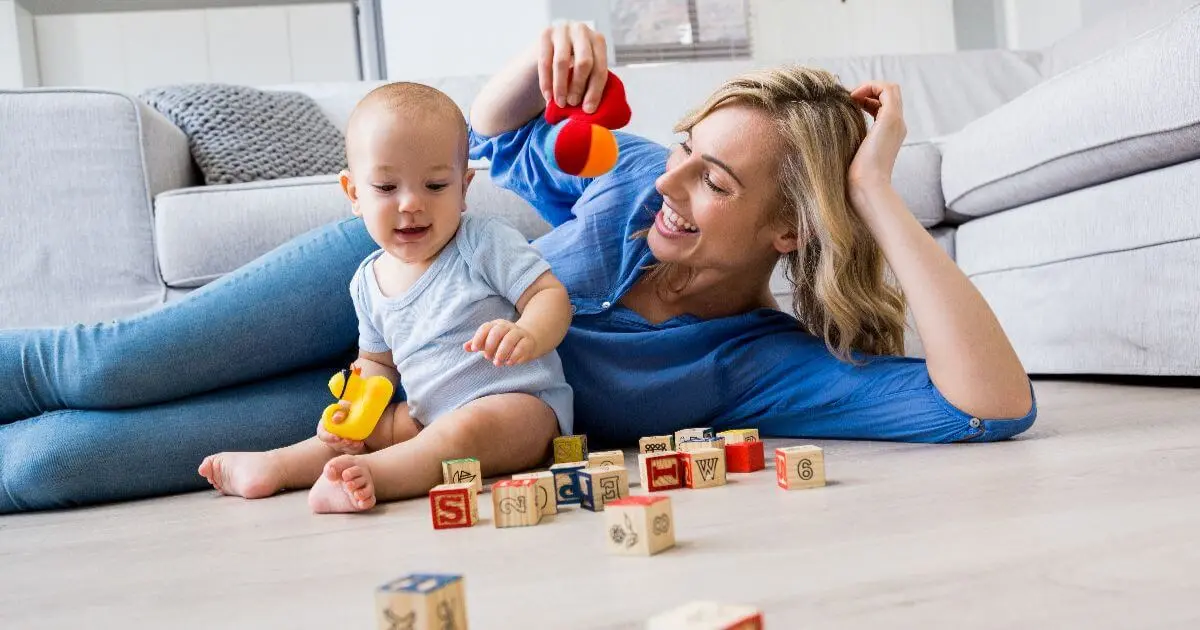
Baby lying on a soft blanket surrounded by educational toys during Sensory Activities Toddlers enjoy, encouraging tactile exploration, visual stimulation, and early learning.

That’s why sensory activities toddlers and babies experience outdoors are often some of the most effective and meaningful ones. Nature provides rich, real-life sensory input that supports curiosity, attention, movement, and early brain development without feeling forced or overstimulating.

And honestly? Sometimes a simple half hour outside can offer more sensory learning than an entire morning indoors. Sitting together on a blanket in the grass, watching a colorful flower move in the breeze, touching different textures, or following a tiny bug with curious eyes may seem small to us — but for your baby, these moments are full of discovery.

If you’re looking for more inspiration, these Pinterest boards are filled with creative and easy summer sensory play ideas for babies and toddlers:

0–6 Months: Your Baby’s First Summer Sensory Experiences

Babies between 0–3 months do not need big adventures yet — but that does not mean they are not constantly learning from the world around them.

Lying on a soft blanket in the shade, your face, voice, and closeness are still the most important sensory experiences for them. High-contrast patterns, black-and-white books, gentle sounds, and the natural noises of summer are more than enough during this stage.

By around 3–6 months old, babies become much more curious about textures, sounds, and movement. This is the perfect time to introduce different surfaces, soft fabrics, rattles, or musical toys outdoors. At this age, sensory activities toddlers and younger babies enjoy are all about variety — different textures, new sounds, changing light, movement, and gentle outdoor experiences.

Black-and-White Visual Exploration

High-contrast black-and-white images are especially fascinating for newborns because their developing eyes can see bold contrasts more easily than colors. This simple visual activity helps strengthen focus, visual tracking, and early eye coordination, making it a wonderful sensory experience during the first months of life.

What You’ll Need:
• Black-and-white soft fabric books
• Fold-out accordion-style contrast cards
• Large high-contrast black-and-white images

How to Set It Up:

Place black-and-white images within your baby’s line of sight during tummy time, playtime, or quiet awake periods. You can prop the cards up nearby or position them where your baby can comfortably look at them without straining.

As your baby studies the bold patterns and shapes, they are practicing visual focus and learning to track objects with their eyes. These early visual experiences help support healthy vision development while encouraging curiosity and attention.

Tip: Keep the images about 8–12 inches (20–30 cm) from your baby’s face for the best viewing experience during the newborn stage.

Touch, Grab & Explore!

This simple sensory activity helps your baby practice reaching and grasping while strengthening little hand and finger muscles. Different textures, shapes, and gentle movements spark curiosity and naturally support the development of fine motor skills, hand-eye coordination, and sensory awareness.

How to Set It Up:

Place the items within easy reach so your baby can stretch, grab, and explore them independently. You can also hang some of the objects from a play gym to encourage reaching and tracking movement. Every grab, squeeze, and touch helps build coordination, strength, and confidence while your baby learns through play.

Babies love the soft sounds and gentle movement of balloons as they kick, stretch, and wiggle their legs. This simple sensory activity encourages movement, body awareness, and cause-and-effect learning, while also helping strengthen the leg muscles needed for future milestones like rolling, crawling, and walking.

What You’ll Need:
• Large inflated balloons
• A crib or play mat
• Ribbon or string
• A safe place to secure the ribbon above your baby

How to Set It Up:

Lay your baby on their back in a crib or on a play mat. Secure a ribbon above them and attach one or more inflated balloons so they hang low enough for your baby’s feet to touch.

As your baby kicks and moves their legs, the balloons will bounce, sway, and make gentle sounds. Watching the balloons move in response to their kicks helps babies discover that their actions can affect the world around them, while also encouraging coordination, muscle development, and sensory exploration.

Magnetic Shape Exploration

This simple activity introduces babies to different shapes, sizes, and spatial awareness through hands-on sensory exploration. Moving and handling magnetic pieces helps strengthen fine motor skills, hand-eye coordination, and early problem-solving abilities while encouraging curiosity and independent discovery.

What You’ll Need:
• Large, baby-safe magnetic shapes or figures
• A magnetic board or refrigerator door

How to Set It Up:

Place the magnetic shapes on a metal surface, such as a magnetic board or the refrigerator. Encourage your baby to touch, grab, remove, and explore the different pieces at their own pace.

The unique sensation of magnets sticking and pulling away creates an engaging sensory experience, while the various shapes and sizes help babies learn about differences, patterns, and movement. Every reach, grasp, and discovery supports growing coordination and confidence.

Safety Tip: Always supervise your baby during play and use only large, child-safe magnetic toys that cannot be swallowed.

Soft Building Blocks

Stacking, knocking down, and squeezing soft blocks is a fun and safe way for babies to explore the world around them. This simple activity helps babies discover cause-and-effect relationships, strengthens fine motor skills, and supports early problem-solving development.

What You’ll Need:
• Soft foam or fabric building blocks

How to Set It Up:

Place a few soft blocks in front of your baby on a play mat or the floor and allow them to explore at their own pace. Encourage your baby to grab, stack, squeeze, and knock over the blocks.

Every tower built and toppled becomes a new learning experience. As your baby experiments with the blocks, they practice hand-eye coordination, strengthen their hand and finger muscles, and learn how their actions can affect the world around them.

Tip: Choose blocks with different colors, textures, or patterns to provide even more sensory exploration and learning opportunities.

Crinkly Paper Sensory Play

Babies love exploring different sounds and textures, which makes this simple sensory activity a great way to keep little hands busy. Crinkling, touching, pulling, and squeezing the paper helps develop sensory processing, fine motor skills, hand-eye coordination, attention, and concentration.

What You’ll Need:
• Different types of textured paper (tissue paper, parchment paper, wrapping paper, or other baby-safe crinkly materials)
• Strong tape
• A high chair or another stable chair

How to Set It Up:

Crumple several pieces of paper with different textures and sounds, then securely tape them to your baby’s high-chair tray or another easily accessible surface. Make sure the paper is firmly attached so your baby cannot pull it off or put loose pieces into their mouth.

Allow your baby to explore at their own pace by touching, squeezing, pulling, and crinkling the paper. The variety of sounds, textures, and movements creates a rich sensory experience, while helping your baby learn that their actions can produce different reactions and sounds.

Tip: Refresh the activity from time to time by introducing new types of paper with different textures and sounds to keep the experience interesting and engaging.

Around six months old, water play can also become a wonderful sensory activity. Splashing in comfortably warm water is not only fun, but also helps support movement, coordination, and sensory development in a natural way.
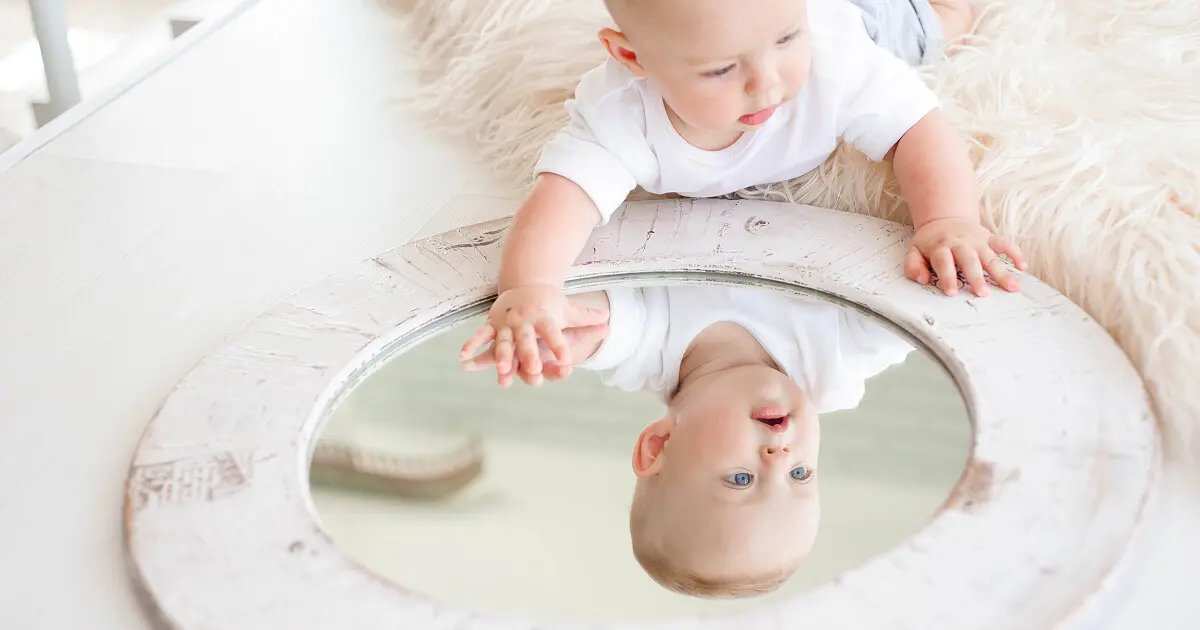
Baby exploring their reflection in a mirror during sensory play activity, supporting early learning and development through sensory activities toddlers and babies enjoy during the first year.

6–12 Months: When Your Baby Starts Actively Exploring the World

Between 6–9 months, babies begin grabbing absolutely everything within reach — sand, grass, pebbles, wet toys, and different textures around them. At this stage, the beach or backyard almost becomes a natural sensory playground. Wet sand, dry sand, water, grass, and smooth or rough surfaces all provide completely different sensory experiences that help strengthen brain and nervous system development.

Finger Painting Fun

Finger painting is a wonderful way for babies and toddlers to explore colors, textures, and movement through hands-on sensory play. This creative activity encourages curiosity while supporting important developmental skills in a fun and engaging way.

What Does It Develop?
• Fine motor skills
• Hand-eye coordination
• Sensory processing
• Creativity and self-expression
• Hand and finger strength

What You’ll Need:
• Baby-safe, non-toxic, taste-safe finger paint
• A large white sheet, roll of paper, or cardboard poster board
• Small shallow bowls for the paint

How to Set It Up:

Spread a large sheet of paper, cardboard, or an old white sheet on the floor. Pour a small amount of baby-safe paint into shallow bowls that are easy for little hands to reach.

Show your child how to dip their hands into the paint and press them onto the surface. Then let them freely explore by making handprints, finger marks, swirls, and colorful patterns.

The sensation of paint on their hands, the vibrant colors, and the freedom to create make this a rich sensory experience that supports both learning and creativity. Every touch, smear, and print helps strengthen fine motor skills while encouraging self-expression and confidence.

Tip: Dress your child in old clothes and choose a space where a little mess is part of the fun!

Water Play Adventure

Water play gives babies the opportunity to splash, pour, touch, and explore different sensations, making it one of the best sensory activities for supporting both sensory development and early motor skills. The movement of water naturally encourages curiosity, coordination, and hands-on learning.

What You’ll Need:
• A shallow plastic container or storage bin
• Warm water
• Waterproof toys
• Child-safe plastic spoons, cups, and bowls
• Toy kitchen utensils or containers

How to Set It Up:

Fill a shallow container with warm water and add a few waterproof toys, cups, spoons, or small containers. Place the bin on a stable surface and let your baby explore the water under close supervision.

As your baby splashes, scoops, pours, and feels the water moving through their fingers, they are developing hand-eye coordination, fine motor skills, and sensory awareness. The different sounds, temperatures, and movements create a rich sensory experience that keeps babies engaged while they learn through play.

Safety Tip: Never leave a baby unattended around water, even for a moment. Always provide constant, close supervision during water play.

Cardboard Box Hide-and-Seek

An ordinary cardboard box can quickly become an exciting play space for your baby. This simple activity encourages crawling, exploring, and independent discovery, while helping develop gross motor skills, spatial awareness, and curiosity. The different surfaces, openings, and hidden spaces also provide valuable sensory experiences.

What You’ll Need:
• One or more large cardboard boxes

How to Set It Up:

Cut doors, windows, or crawl-through openings into the boxes and place them securely on the floor. Let your baby explore at their own pace by crawling through, climbing in and out, opening flaps, and peeking through the windows.

Every crawl, peek, and discovery helps build coordination, balance, and early problem-solving skills. The changing spaces and hidden corners encourage your baby to explore, move, and learn through hands-on play.

Tip: Connect multiple boxes together to create a simple tunnel system for even more exploration and adventure.

Colorful Sticky Note Discovery

This simple activity invites babies and toddlers to explore colors, textures, and movement through hands-on play. Pulling, touching, and peeling sticky notes helps develop fine motor skills, hand-eye coordination, problem-solving abilities, and color recognition while keeping little ones engaged and curious.

What You’ll Need:
• Colorful sticky notes (Post-it® notes)
• A smooth surface such as a wall, door, window, or tray

How to Set It Up:

Stick colorful sticky notes across a safe, easily accessible surface at your child’s eye level. You can arrange them randomly or create simple patterns using different colors.

Encourage your child to touch, peel off, crumple, and move the notes. Older babies may enjoy transferring them from one spot to another, while younger babies can simply explore the colors and textures.

Peeling and grabbing the sticky notes provides excellent practice for developing finger strength and fine motor control. At the same time, the bright colors capture attention and support early visual learning and color awareness.

Tip: For extra fun, hide simple pictures or shapes underneath some of the sticky notes and let your child discover the surprises as they pull them away.

Balloon and Ribbon Discovery Wall

This eye-catching sensory activity encourages babies to explore colors, movement, sounds, and different textures, while supporting the development of fine motor skills, hand-eye coordination, and body awareness. The floating balloons and dangling ribbons naturally attract a baby’s attention and encourage reaching, grabbing, and movement.

What Does It Develop?
• Sensory awareness
• Hand-eye coordination
• Fine motor skills
• Color recognition
• Attention and concentration
• Reaching and movement coordination

What You’ll Need:
• Strong tape
• Small inflated colorful balloons
• Colorful ribbons or fabric strips

How to Set It Up:

Stretch a strip of strong tape across a wall, high-chair tray, or another safe surface within your baby’s reach. Attach lightweight balloons and colorful ribbons of different lengths so they hang down where your baby can easily touch them.

Place your baby nearby and encourage them to reach, grab, pull, tap, and explore the balloons and ribbons.

The moving balloons and swaying ribbons provide immediate feedback to your baby’s actions, helping them discover cause-and-effect relationships through play. The combination of bright colors, movement, and textures creates a rich sensory experience that can keep babies engaged for long periods.

Tip: Change the ribbon colors, textures, or lengths from time to time to provide new visual and sensory experiences.

Sensory Treasure Basket

A sensory treasure basket is a simple but powerful activity that encourages babies to explore different textures, shapes, weights, and sounds through independent play. It supports sensory development, fine motor skills, hand-eye coordination, and natural curiosity.

What Does It Develop?
• Sensory awareness
• Fine motor skills
• Hand-eye coordination
• Curiosity and independent exploration
• Early problem-solving skills

What You’ll Need:
• A shallow basket or box
• A variety of baby-safe objects with different textures and materials, such as:
• Wooden spoon
• Silicone teether
• Soft cloth or scarf
• Sponge
• Large metal whisk
• Fabric ball
• Wooden rings
• Rattle

How to Set It Up:

Fill a shallow basket with safe objects that vary in texture, shape, weight, and sound. Place the basket on the floor within your baby’s reach and allow them to explore freely at their own pace.

Encourage your baby to touch, grab, shake, squeeze, and examine the items. There is no right or wrong way to play—the goal is simply to discover and explore.

The variety of textures, materials, and sounds creates a rich sensory experience that helps babies learn about the world through hands-on exploration. Every object offers a new opportunity to develop coordination, concentration, and confidence.

Tip: Rotate a few items every week to keep the basket interesting and provide fresh sensory experiences.

By 9–12 months, many babies are crawling, pulling themselves up, or even taking their very first steps. This is when exploring different surfaces becomes especially exciting. Grass, sand, wooden decks, soft blankets, or pebbled paths all feel different under tiny feet and help develop balance, coordination, and muscle strength.

And honestly? Some of the best sensory activities toddlers and babies experience are often the simplest ones — sitting in the grass, touching water, listening to birds, or feeling the wind on their skin for the very first time.

You can find even more summer sensory play inspiration and easy activity ideas here:

Practical Tips for Traveling and Going to the Beach With a Baby

Going to the beach or traveling with a baby definitely takes a little more planning — but if there’s water nearby or even a small opportunity for splashing and outdoor play, it is usually more than worth it. During summer, sensory activities toddlers and younger babies enjoy often happen naturally, as long as the environment feels safe, calm, and comfortable.
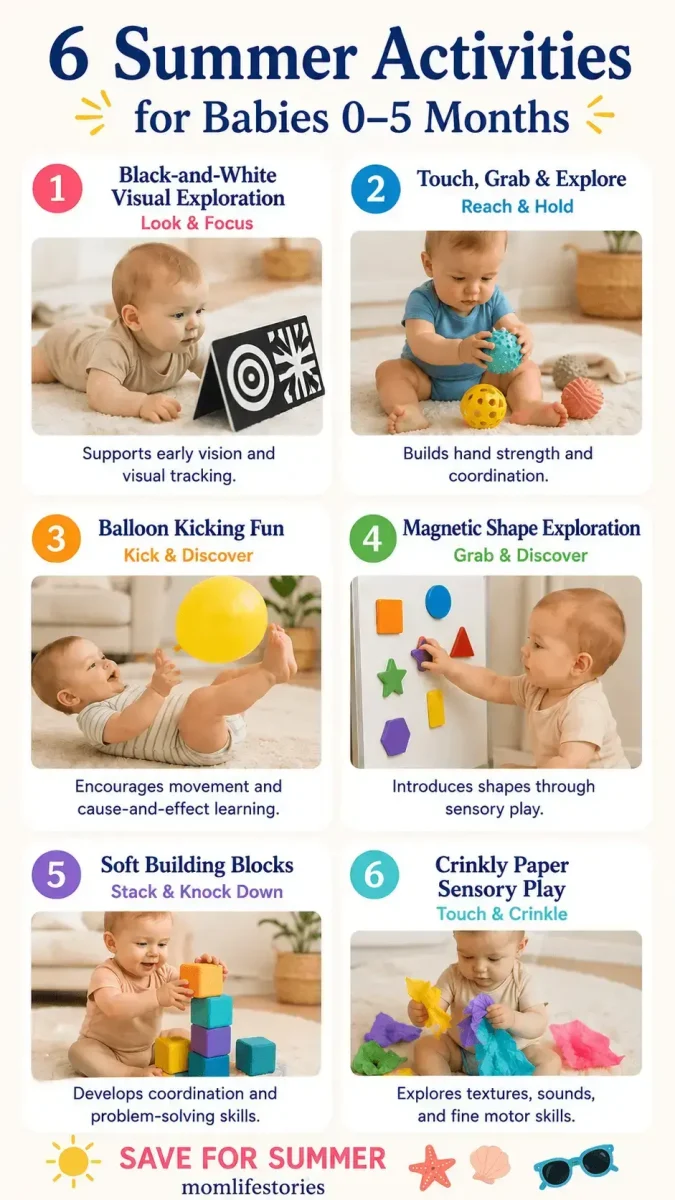
Sensory Activities Toddlers and babies can enjoy don't have to be complicated. From black-and-white visual exploration and balloon kicking to crinkly paper play and soft building blocks, these simple sensory activities help support early vision, coordination, fine motor skills, and curiosity. Perfect for babies ages 0–5 months, these easy summer play ideas encourage learning through everyday exploration without expensive toys.

Here are a few important things to keep in mind:

  • A baby’s skin is extremely sensitive, so SPF 30+ water-resistant sunscreen, a sun hat, and UV-protective clothing are essential during summer outings.
  • Always make sure there is a shaded area where your baby can rest and cool down — a small beach tent or umbrella can make a huge difference.
  • It is usually best to wait at least two hours after feeding before going into the water.
  • Babies can become dehydrated much faster in hot weather, so paying attention to hydration is especially important.
  • And most importantly: if your baby becomes tired, overstimulated, or fussy, that is already a sign it may be time to stop and rest.

You do not need to turn every outing into a structured developmental activity.

In fact, sensory activities toddlers and babies benefit from the most are often the simplest and most relaxed ones — feeling water on their skin, listening to waves, touching sand, watching leaves move in the wind, or simply being close to you while exploring the world at their own pace. Sometimes, the most meaningful sensory experiences happen in the quietest moments.

👉Alongside summer sensory experiences, everyday routines also play a huge role in your baby’s development. If you want calmer, more loving daily rhythms, Baby Care Without Panic: Turning Chaos Into a Loving Routine can help make baby care feel simpler and less overwhelming.

Mother gently applying lotion to a baby’s sensitive skin during a calming baby care routine. Pinterest graphic about baby care, newborn skincare, bath time, and creating gentle daily routines for babies.

When Should You Consider Seeking Professional Help?

In most cases, sensory activities toddlers and babies experience can happen naturally at home, outdoors, or during simple everyday moments. A walk outside, playing on a blanket in the grass, or splashing in water already provides valuable sensory experiences for your baby’s developing brain. However, there are situations where it may be helpful to seek guidance from a developmental or sensory specialist. For example, it is worth paying closer attention if your baby:

  • does not seem to respond to sounds by around three months old,
  • is not reaching toward objects by six months,
  • or strongly rejects touch, textures, or everyday sensory input in an extreme way.

At the same time, every baby develops at their own pace, and small differences are often completely normal.

Sensory and developmental specialists can simply help you better understand your baby’s nervous system development, muscle tone, movement patterns, and sensory responses — if additional support is ever needed.

A baby’s first summer can offer so many beautiful experiences: natural sensory input, shared family moments, and those unforgettable little firsts — like feeling cool sand under tiny feet or splashing water with excitement for the very first time.
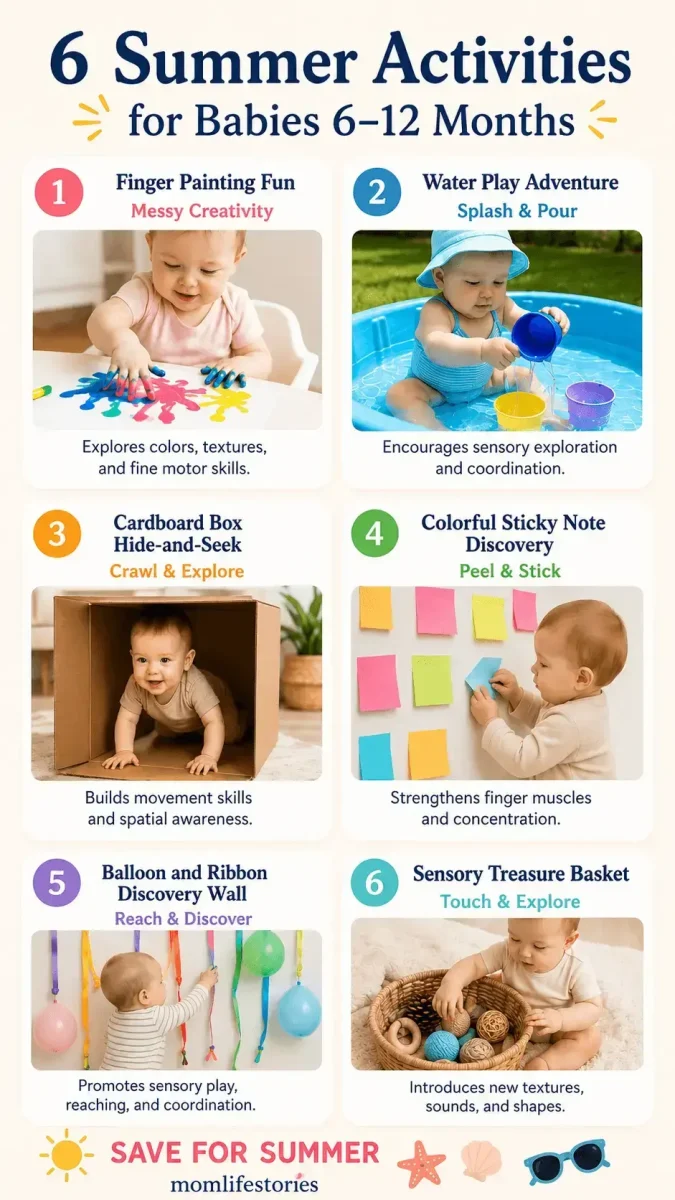
Looking for Sensory Activities Toddlers and older babies actually enjoy? These simple summer play ideas include water play, finger painting, sticky note discovery, sensory treasure baskets, and more. Designed for babies ages 6–12 months, these activities support sensory development, coordination, creativity, and problem-solving while keeping little ones engaged through hands-on exploration and play.
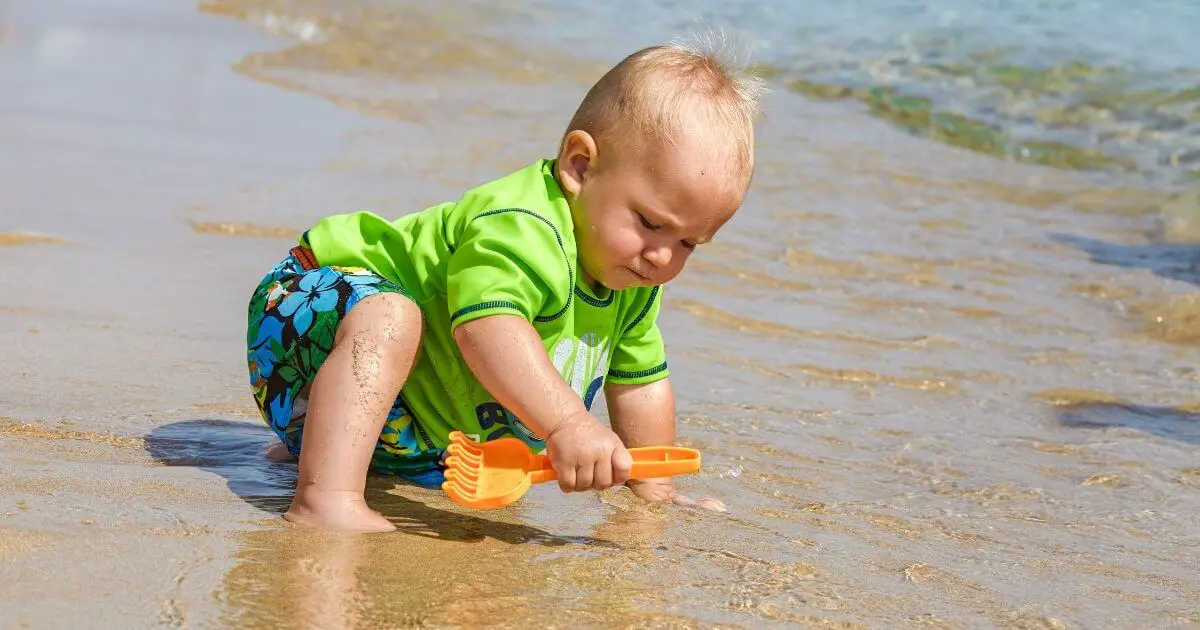
Baby exploring sand and water at the beach during summer sensory play, supporting early learning through sensory activities toddlers and babies naturally enjoy outdoors.

And honestly? Sensory activities toddlers and babies enjoy are not important because children constantly need to be “developed.” They matter because these simple experiences become the foundation of how babies learn about safety, connection, curiosity, movement, and the world around them.

Sometimes, the smallest summer moments become the biggest memories.

👉And if you’re looking for gentle, real-life guidance beyond milestones — support that sees both your baby and you — you’ll find it on MomLifeStories.

👉If you’d like to walk this journey feeling more prepared, more confident, and a little less worried, visit the Little Lifesavers page and explore our free downloadable resources. They’ll help you stay organized, plan ahead, and create the kind of calm and clarity you need most right now.

Leave a Reply

Your email address will not be published. Required fields are marked *