

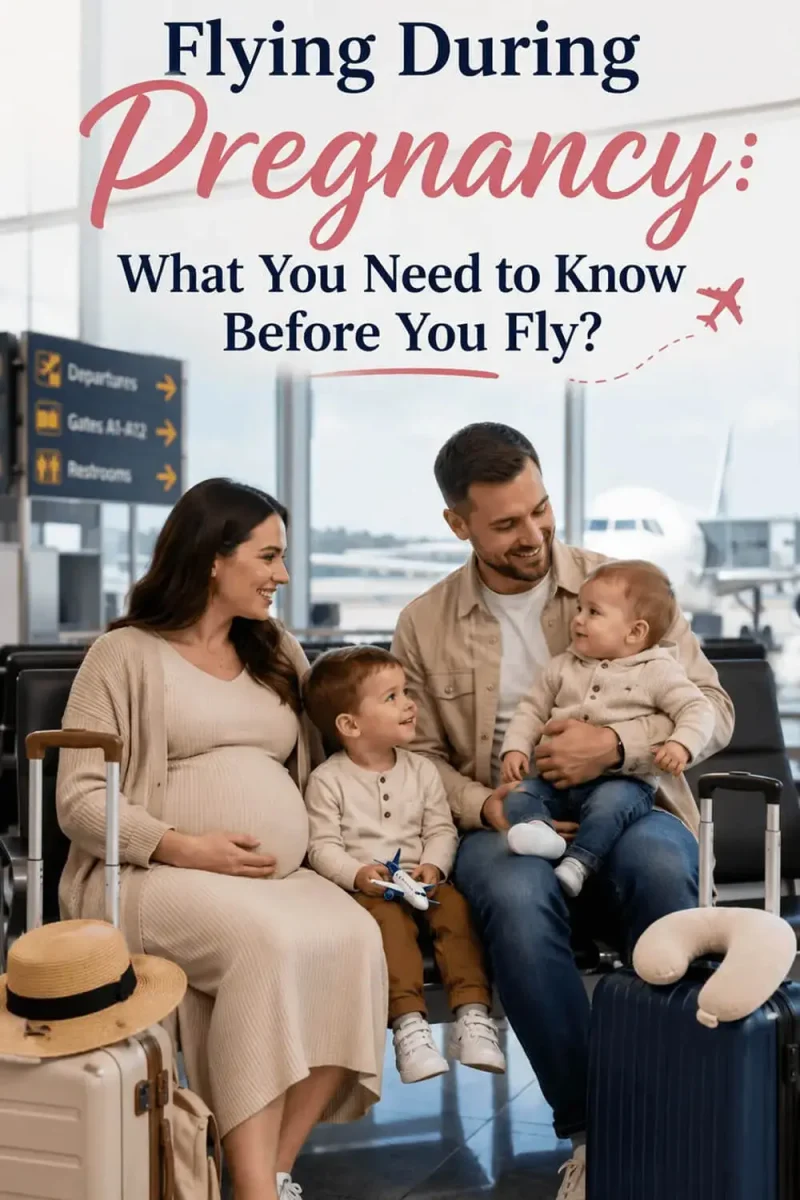
Flying During Pregnancy: What You Need to Know Before You Fly

Summer is in full swing, and whether you’re expecting your first baby or adding another little one to your family, you may be dreaming about a vacation. As you browse travel destinations, one question keeps coming to mind: Is flying during pregnancy safe? Can you fly at all? And what should you know before heading to the airport?
If you’ve been asking yourself these same questions, here’s the good news: for most healthy pregnancies, flying is considered safe as long as you follow a few important precautions.
I flew twice while I was pregnant—once to Rome at 20 weeks and again to Greece at 25 weeks with my husband and our daughter.
Both trips were wonderful, and thankfully we didn’t experience any pregnancy-related problems. In this article, I’ll share everything I wish I’d known before flying during pregnancy, along with practical tips and my own personal experience to help you travel with more confidence.
When Is the Best Time to Fly During Pregnancy?
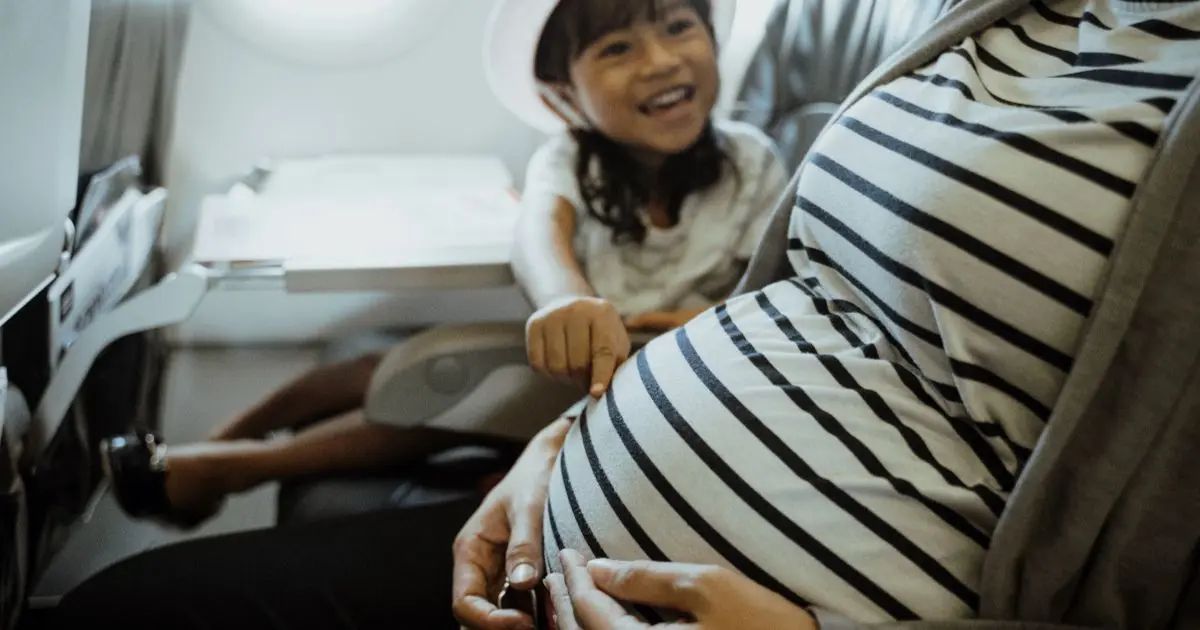
The second trimester is generally considered the best time to travel. By then, morning sickness has usually eased, your bump is still comfortable enough for traveling, and your due date is still a safe distance away. During the first trimester, the risk of miscarriage is higher, while in the third trimester many airlines begin to apply stricter travel restrictions. This doesn’t mean you can’t fly during those periods—it simply means you’ll need to plan more carefully.
It’s also important to know that airline policies for flying during pregnancy vary. Many airlines require a medical certificate once you reach the third trimester, while others may not ask for one until later in pregnancy. Some request documentation from 28 weeks, while others don’t require it until 36 weeks.
To avoid any last-minute surprises, it’s always a good idea to check your airline’s policy before booking and obtain a medical certificate in advance if needed. I was asked to show mine even before I reached 28 weeks of pregnancy. If you’re expecting twins, airline rules are often stricter, and if you have preeclampsia, your healthcare provider will usually advise against flying.

How to Choose a Destination and Prepare for Your Trip
There isn’t one perfect destination for traveling during pregnancy—the best choice is a place where you’ll feel comfortable and relaxed. If you enjoy hiking, a few gentle walks may still be a great option. If you prefer relaxing by the beach or exploring a beautiful city, those can be wonderful choices too.
Shorter flights are generally easier on your body, and choosing a destination with high-quality medical care can provide extra peace of mind in case anything unexpected happens.
Before you travel, check whether your destination has any health risks, such as the Zika virus, and review the country’s entry requirements. Some destinations have travel restrictions or additional requirements for pregnant travelers after a certain stage of pregnancy.
Don’t forget to purchase travel insurance. This is especially important during pregnancy, but be sure to read the policy carefully. Many insurance providers only cover pregnancy-related medical expenses until the end of the second trimester. Whenever possible, choose a policy that also covers emergency care and preterm birth, as it can provide valuable protection and peace of mind while you’re away from home.
Practical Tips for Flying While Pregnant
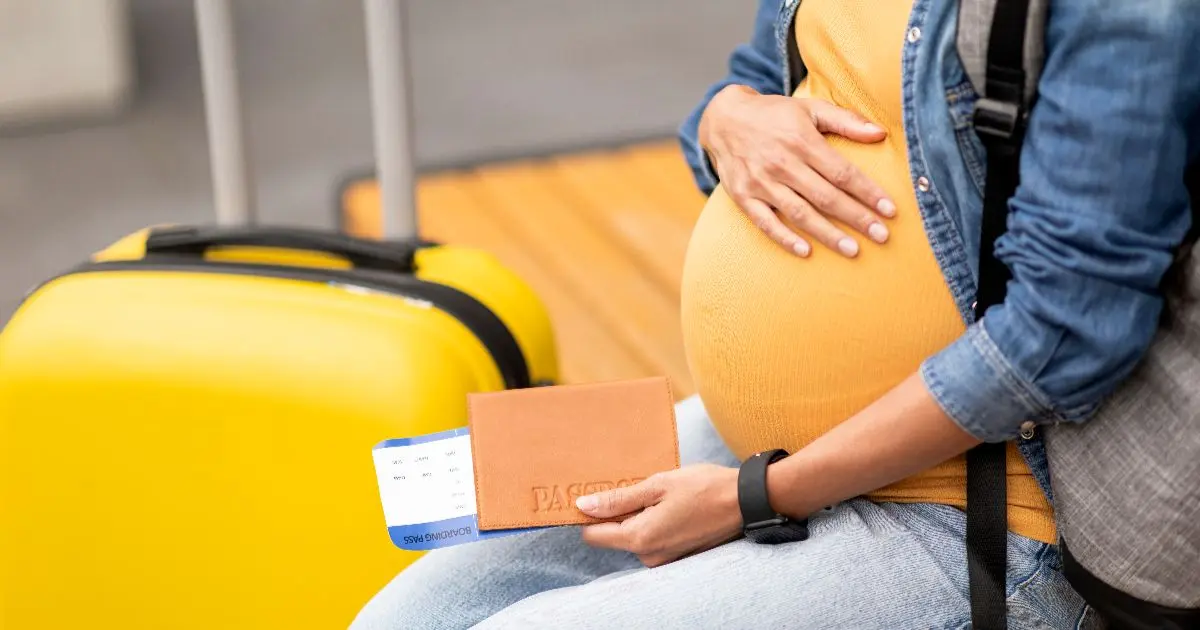
With a little preparation, flying during pregnancy can be much more comfortable. If possible, choose an aisle seat so you can get up easily, use the restroom, and stretch your legs throughout the flight. Always fasten your seat belt below your baby bump, across your hips—not over your abdomen.
To help reduce the risk of blood clots, wear compression socks, take short walks up and down the aisle when it’s safe to do so, or do simple leg exercises while seated. Stay well hydrated, and bring healthy snacks to help keep your blood sugar stable. If possible, travel with light luggage and let your partner or travel companion handle the heavier bags.
Your carry-on bag should always include your pregnancy records and any important medical documents, preferably in English. Don’t forget your regular medications, prenatal vitamins, and magnesium supplements. A small neck or lumbar pillow can also make a long flight much more comfortable.
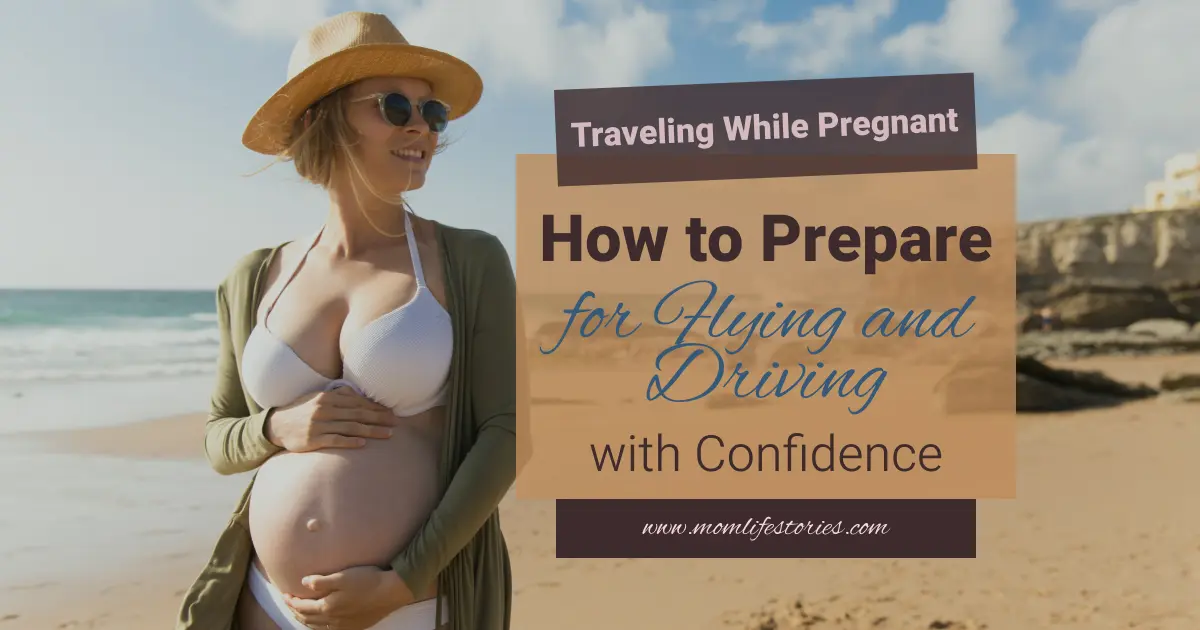
👉 Planning to travel while you’re pregnant? Whether you’re flying or driving, a little preparation can make your trip safer and more comfortable. This guide covers everything you need to know before you go, from packing essentials to practical travel tips for every stage of pregnancy. 👉 Traveling While Pregnant: How to Prepare for Flying and Driving with Confidence
Beach, Sunbathing, and Spa Treatments During Pregnancy
If you’re having a healthy pregnancy and your healthcare provider hasn’t advised otherwise, swimming is generally safe during pregnancy. Saltwater is usually the best choice because it carries a lower risk of infection, while crowded, shallow pools are best avoided.
Swimming in a chlorinated pool is also perfectly fine, especially during quieter times of the day. However, if you have a urinary tract infection, frequent contractions, or a shortened or dilated cervix, it’s best to skip swimming. And don’t forget to be extra careful on wet, slippery surfaces.
You can also enjoy the sun—in moderation. Use a high-SPF sunscreen, drink plenty of water, and avoid the strongest midday sun whenever possible. A wide-brimmed hat not only helps protect you from overheating but can also be a stylish vacation accessory.
What should you avoid during pregnancy? Hot springs, hot tubs, and saunas are best left for after your baby arrives, as raising your core body temperature too much isn’t recommended during pregnancy. Extreme sports and activities that involve sudden movements or a high risk of falls should also be avoided while you’re expecting.
Pay Attention to Food Safety
Even on vacation, it’s important to be just as mindful about food as you are at home. Avoid restaurants with questionable hygiene, undercooked meat, raw seafood, and street food if you’re unsure how it has been prepared. Choose reputable restaurants, and make sure your meals are fresh and thoroughly cooked.
If you have gestational diabetes, it’s important to continue following your healthcare provider’s nutrition plan while traveling. It may require a little extra planning, but with some preparation, it’s completely manageable—and well worth the effort for both you and your baby.
Final Thoughts
Flying during pregnancy can be a safe and enjoyable experience for most healthy pregnancies, as long as you plan ahead, follow your healthcare provider’s advice, and take a few simple precautions. Choosing the right destination, understanding your airline’s policies, traveling comfortably, and maintaining healthy habits can all help make your trip more relaxing and enjoyable.
Most importantly, listen to your body. If you need to slow down, rest, or take a break, don’t hesitate to do so. Pregnancy doesn’t mean you have to give up traveling—it simply means traveling a little more thoughtfully. With the right preparation, you can create wonderful memories before your little one arrives.

Frequently Asked Questions About Flying During Pregnancy
👉If you’d like to walk this journey feeling more prepared, more confident, and a little less worried, visit the Little Lifesavers page and explore our free downloadable resources. They’ll help you stay organized, plan ahead, and create the kind of calm and clarity you need most right now.
👉 And if you’re looking for a place that brings all of this together — real motherhood stories, everyday struggles, and gentle support — you’ll always find it on MomLifeStories.