

7 Tips for Designing the Perfect Nursery
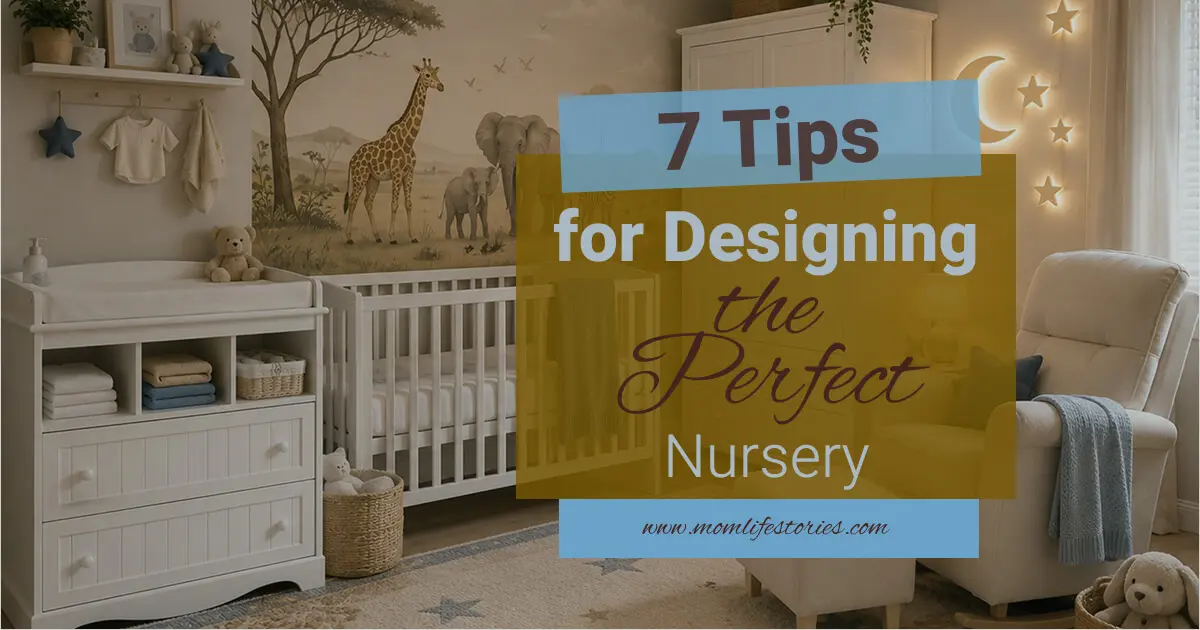
One of the most exciting parts of pregnancy is planning your baby’s nursery. You start browsing cribs, comparing colors and patterns, and little by little, you begin to picture the special space where your baby will sleep, grow, and make countless first memories. Before you start shopping, though, it’s worth taking a step back and thinking through a few important details.
A great nursery isn’t just beautiful—it should also be safe, practical, and designed to make everyday life with a newborn easier. For many parents, the hardest part is figuring out where to begin. Where should the crib go? How much storage do you really need? Which wall color will still feel right in a few years? How can you create a room that grows with your child instead of needing to be completely redesigned?
The good news is that you don’t have to make every decision at once. Taking it one step at a time makes the process far less overwhelming. The seven tips below will help you plan with confidence, make smarter choices, and avoid some of the most common nursery design mistakes.
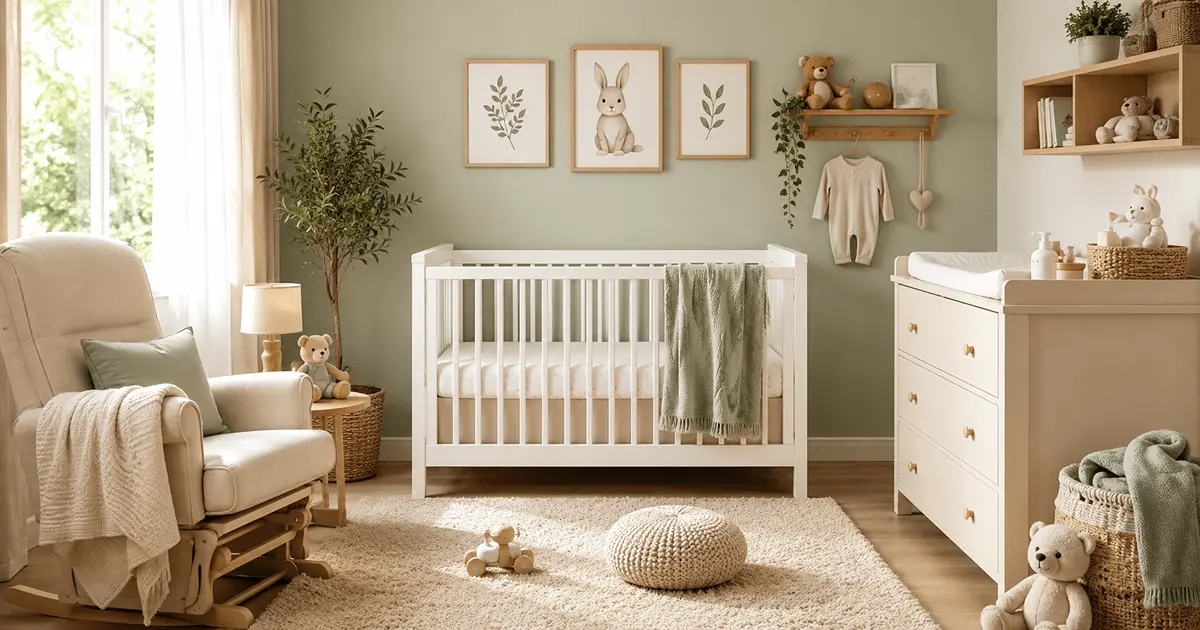
1. ) Start Planning the Nursery Early
It’s a good idea to have your nursery set up before your baby arrives. Once your little one is here, you’ll have far less time and energy for assembling furniture or choosing decorations, so you’ll feel much more relaxed if everything is ready during pregnancy.
That doesn’t mean every detail has to be perfect from day one. Your nursery can grow and evolve along with your child, changing as their needs and personality develop over time.
One thing you should get right from the beginning, however, is the room temperature. The ideal nursery temperature is 70–72°F (21–22°C) year-round, providing a comfortable environment for sleeping, playing, and everyday care.
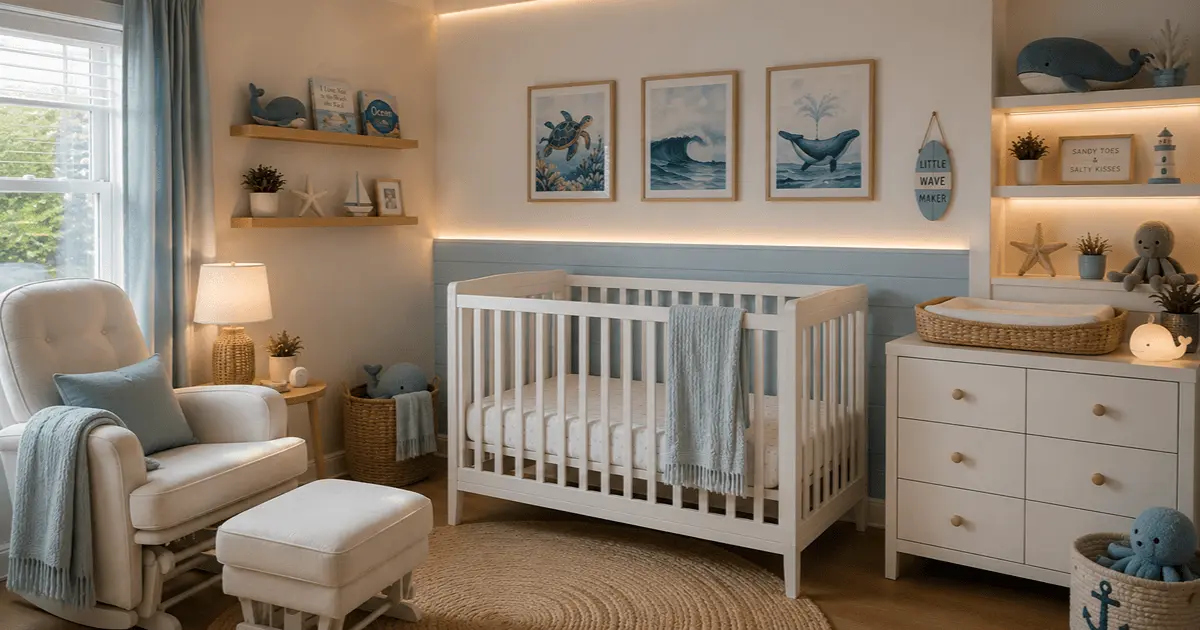
2. ) Focus on What You Really Need
When you’re planning your baby’s nursery, it’s easy to fall in love with all the adorable decorations and accessories. In reality, though, a newborn doesn’t need a room full of things. What matters most is creating a space that is safe, calm, and practical.
A few essentials will cover almost everything you need:
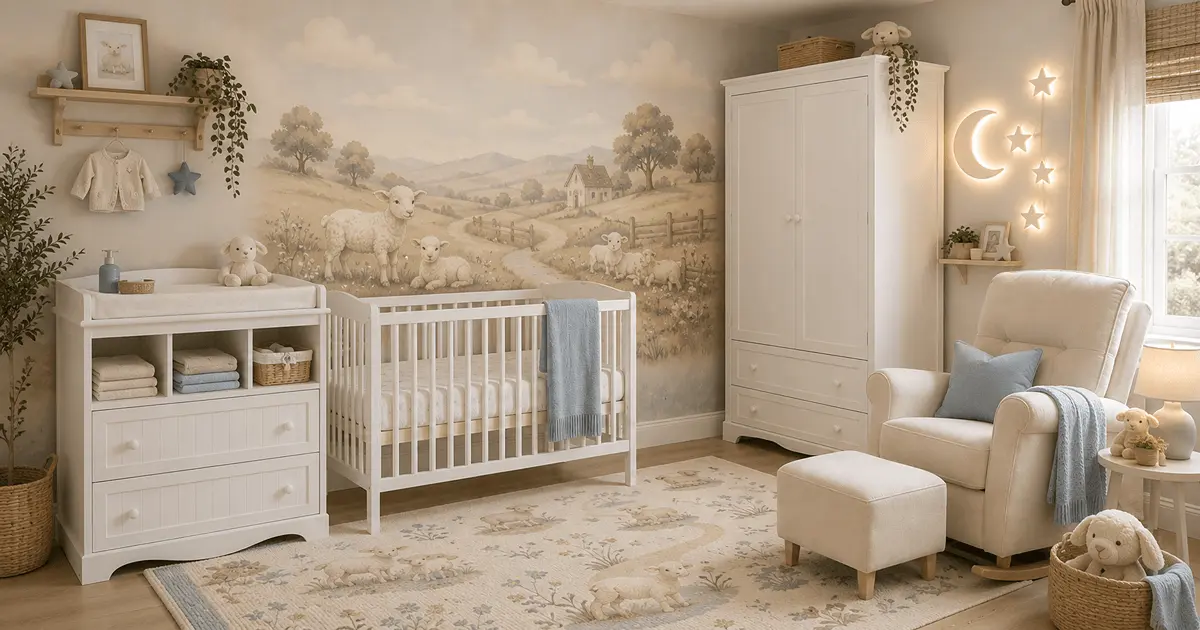
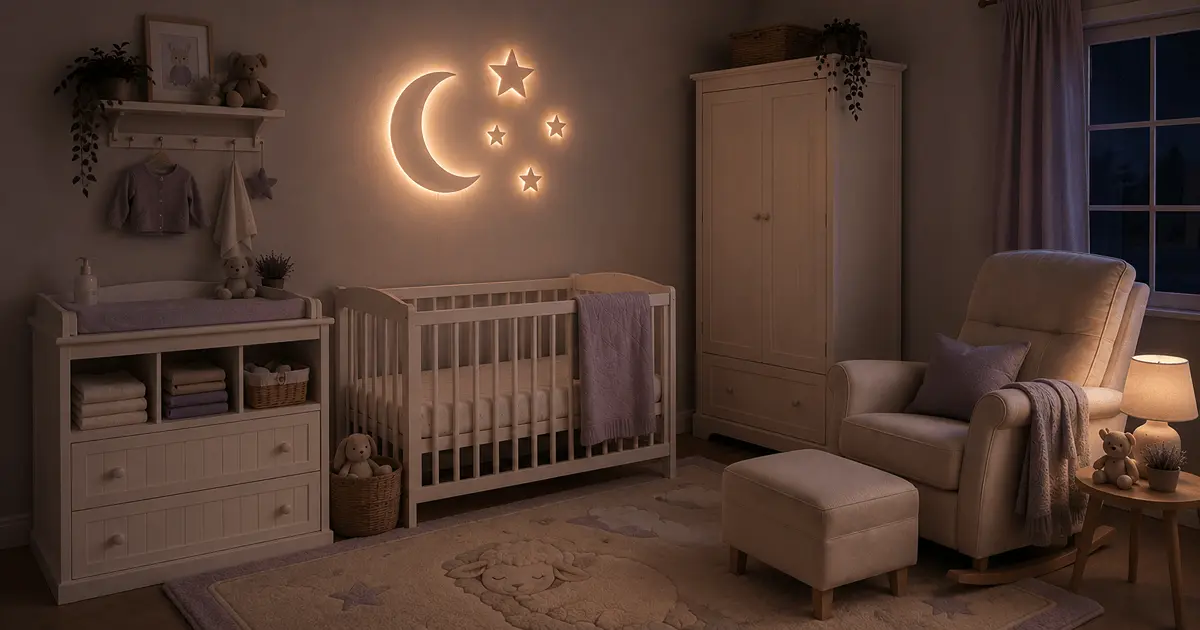
The crib should be the centerpiece of the nursery. During the first few months, keep the mattress at its highest setting so you don’t have to bend down every time you lift your baby. Once your little one starts sitting up or pulling to stand, lower the mattress immediately to keep the crib safe.
Position the changing table at a comfortable height to reduce strain on your back, since you’ll be using it many times each day. It’s also a good idea to store clothes, blankets, and other textiles in closed drawers or cabinets to keep dust away and help the nursery stay clean and organized.
👉 The nursery is only the beginning. Wondering what the first days at home with your newborn will actually be like? Read 👉 Newborn Care at Home – 5 Tips for New Parents in the First Days for practical advice that will help you feel more confident from day one.

3. ) Make Safety Your Top Priority
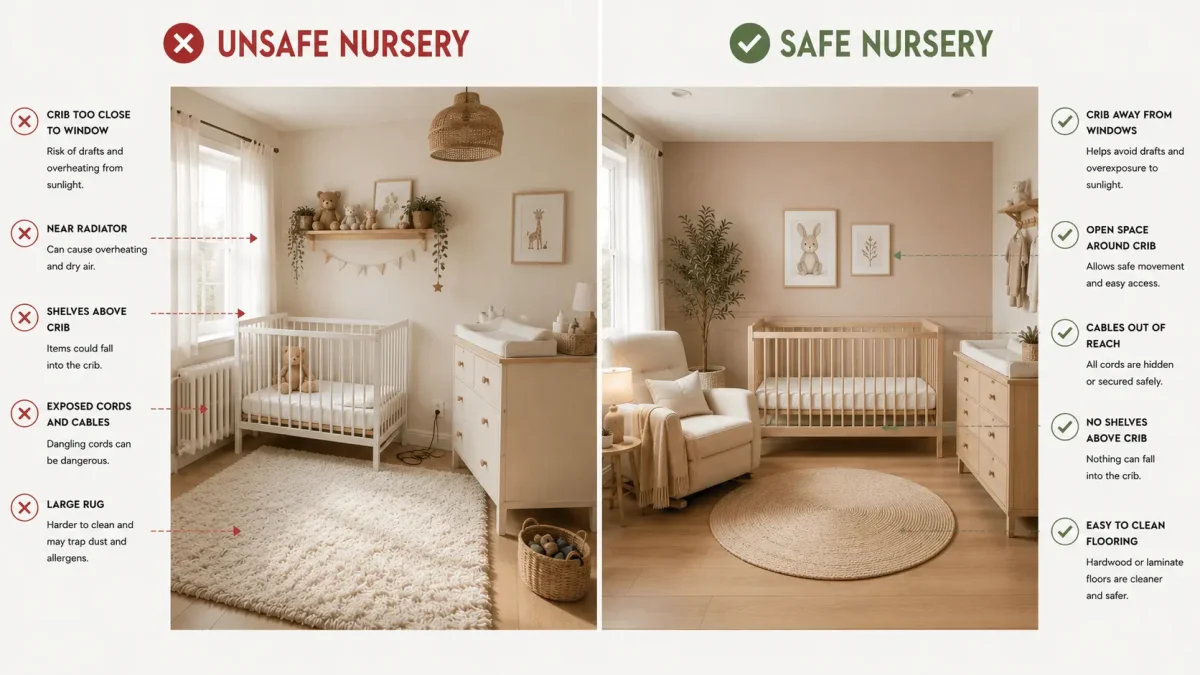
When designing your nursery, safety should always come first. Never place the crib directly beneath a window or next to a radiator, as drafts, direct sunlight, and temperature changes can make your baby uncomfortable. Keep electrical cords and extension cables tucked safely behind furniture or completely out of your baby’s reach.
As you’re planning the room, think ahead: when your baby starts pulling up in the crib a few months from now, what will they be able to reach? Curtain cords, shelves, lamps, and hanging cables should always stay well away from the crib. These small precautions can help prevent accidents and give you greater peace of mind as your baby becomes more mobile.
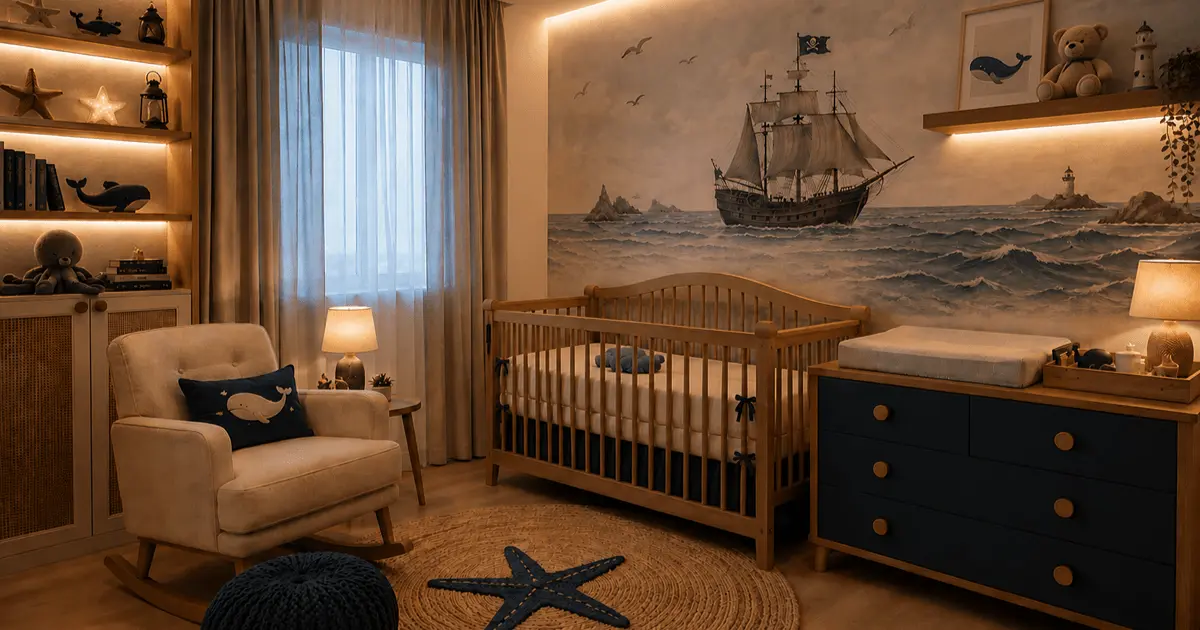
It’s also worth choosing the crib’s location carefully. Place it in the quietest part of the room, away from the door and high-traffic areas, so everyday activity—like cleaning or people coming and going—is less likely to disturb your baby’s sleep.
If your nursery layout allows, consider creating a dedicated sleep corner. A low bookshelf or a simple room divider can gently separate the crib from the rest of the room, creating a cozy, peaceful space. Over time, your baby will begin to associate this little corner with sleep, comfort, and security.
4.) Choose Easy-to-Clean Floors and Walls
When designing your nursery, the flooring is just as important as the furniture. Choose a surface that is non-slip, comfortable underfoot, and easy to keep clean. Hardwood or laminate flooring is usually a better choice than wall-to-wall carpeting because it’s easier to maintain and doesn’t trap as much dust and allergens. If you love the look of a rug, opt for a smaller area rug instead of carpeting the entire room.
It can be removed for professional cleaning when needed, and it reduces the risk of dust buildup. Large rugs can also become a tripping hazard—not only for you, but later for your baby as they begin crawling and taking their first steps. For the walls, choose a water-based, washable, and low-VOC or hypoallergenic paint.
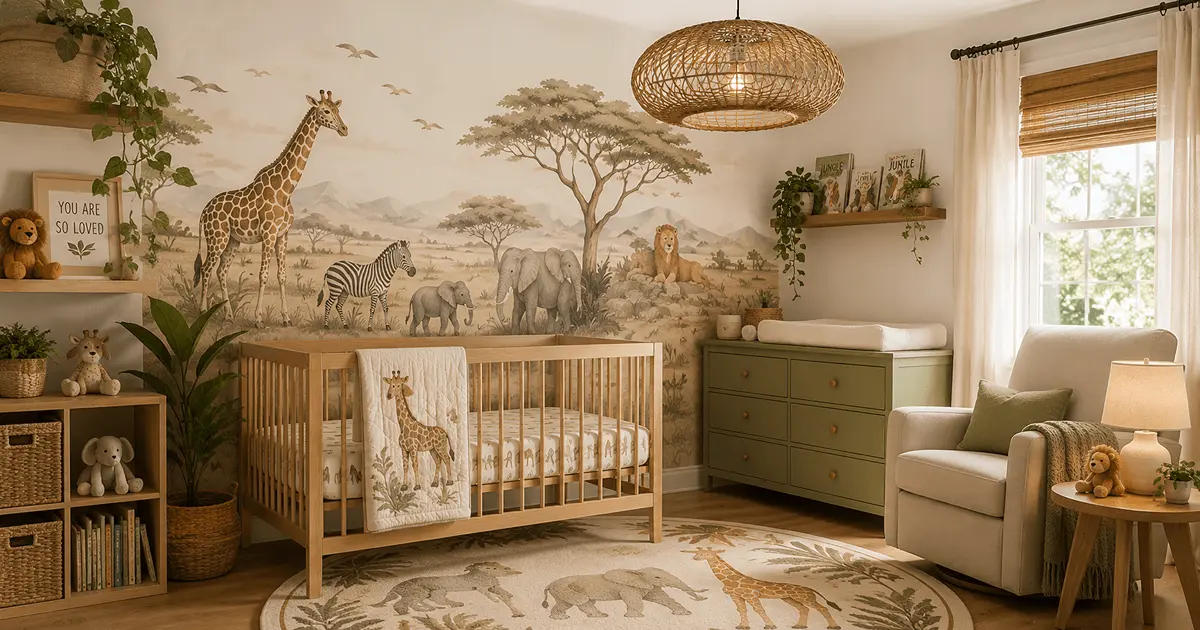
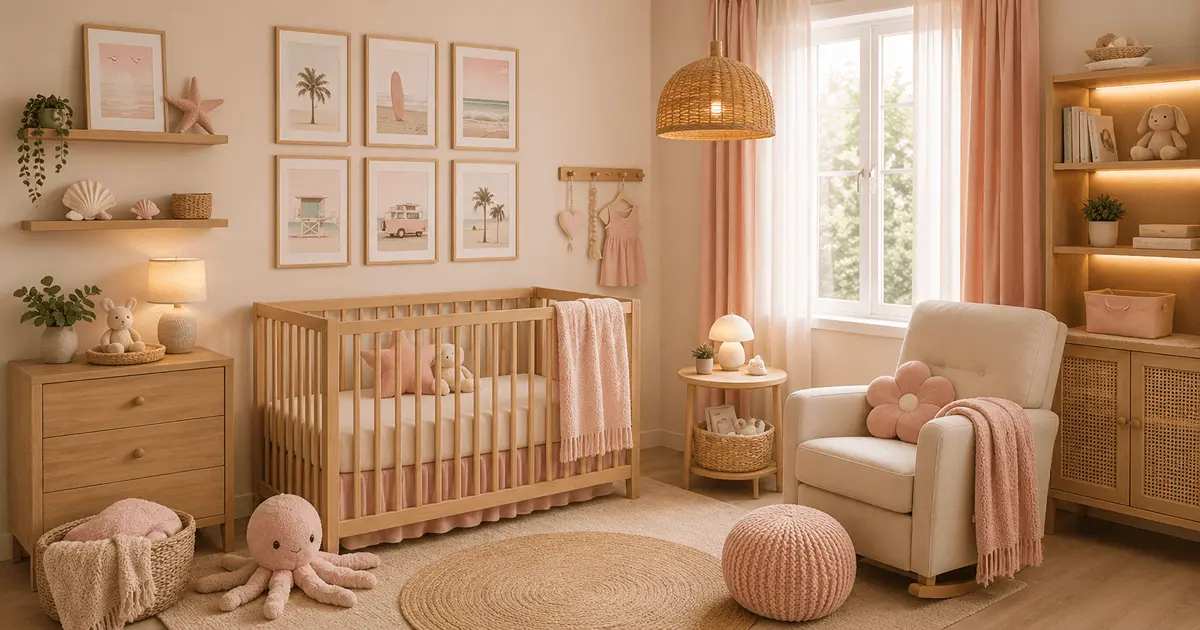
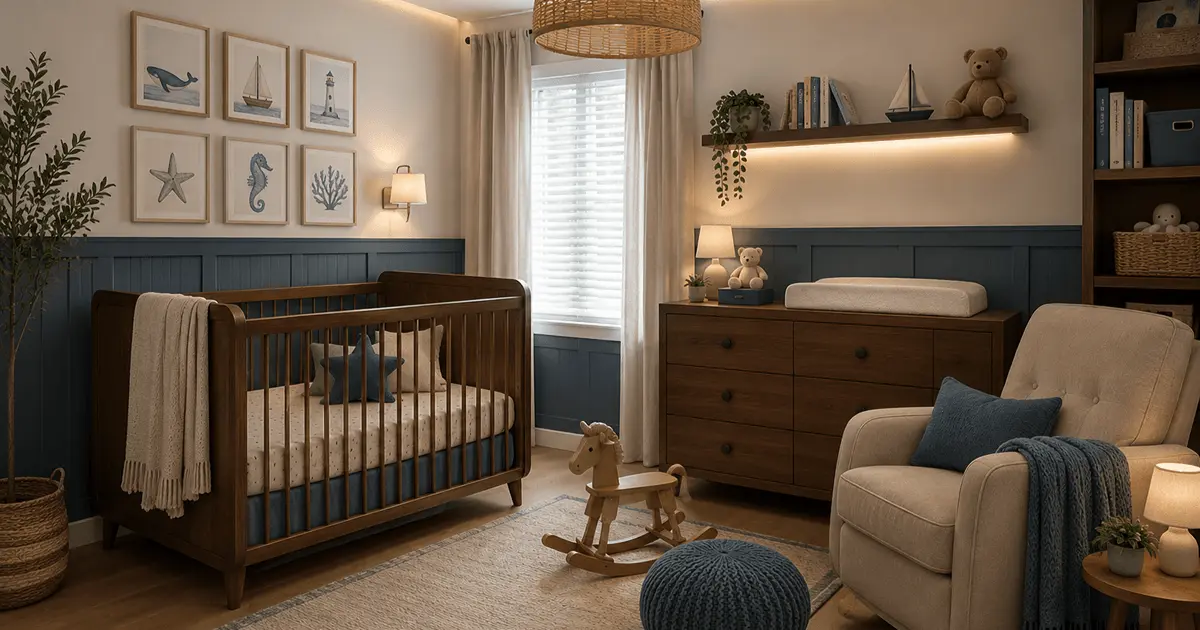
It will stand up to everyday wear and make it much easier to wipe away fingerprints and other little messes. Soft colors such as beige, light gray, sage green, pastel blue, or blush pink create a calm, soothing atmosphere that’s perfect for both babies and parents. When it comes to decorating, less is often more. A simple, uncluttered nursery feels more peaceful, creates a relaxing sleep environment, and will continue to look beautiful as your child grows.
5.) Pay Attention to Lighting and Ventilation
A comfortable nursery should be easy to ventilate while protecting your baby from drafts. Make sure the windows seal properly so you can air out the room several times a day without exposing your baby to direct airflow. During the day, let in as much natural light as possible by choosing light, sheer curtains.
For naps and bedtime, however, blackout curtains or shades are a smart investment. They help keep the room cooler during hot summer days and block bright sunlight, creating a better sleep environment for your baby. For nighttime feedings and diaper changes, a warm, dimmable night light is one of the most useful items you can have.
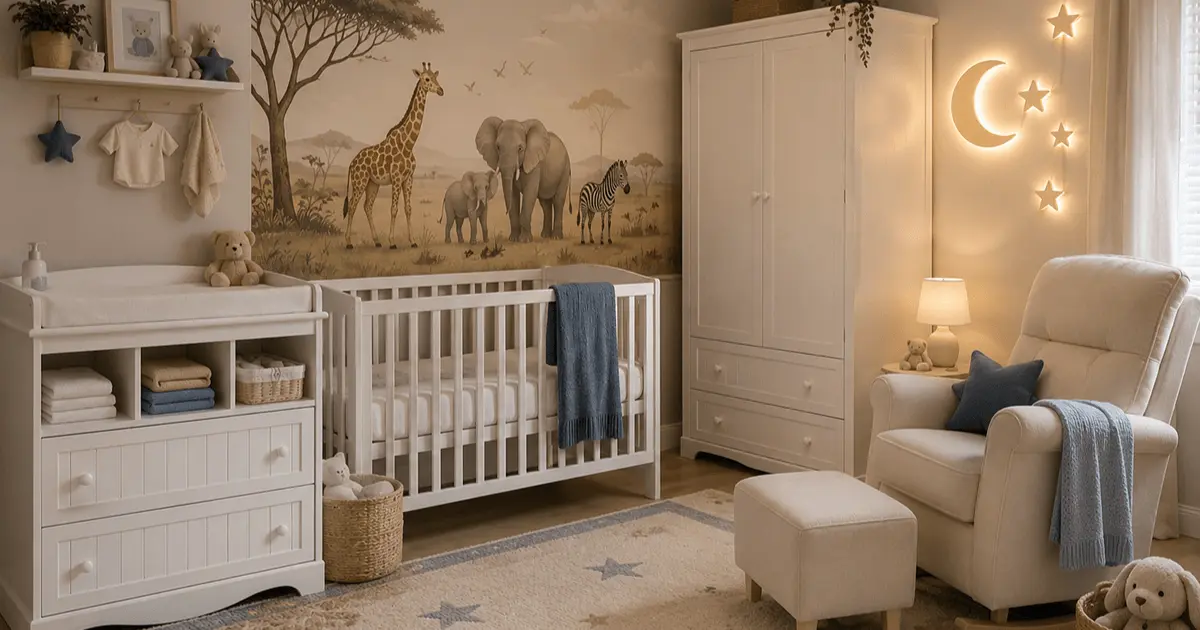
It provides enough light to see what you’re doing without fully waking your baby or disrupting their natural sleep cycle.
Many parents also love soft table lamps with fabric shades or adorable animal-shaped night lights. These little touches are not only practical—they make the nursery feel warmer, cozier, and more inviting for both you and your baby.
👉 A comfortable nursery can make feeding easier, too. If you’re preparing for breastfeeding and wondering what to expect, read 👉 Breastfeeding Step by Step: How Confidence Grows from Uncertainty for practical tips and reassurance before your baby arrives.

6.) Don’t Skimp on Storage
Once your baby arrives, you’ll quickly realize how many tiny essentials come with such a tiny person. That’s why smart storage is just as important as choosing the right furniture.
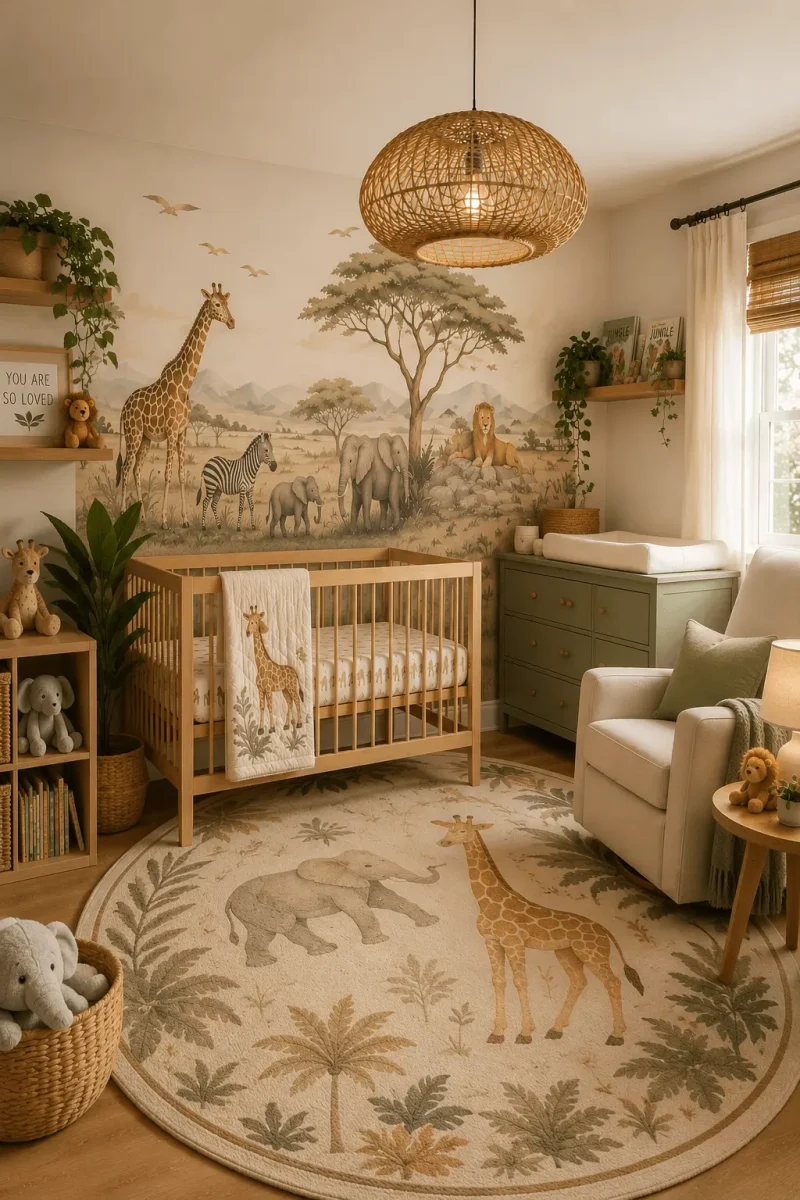
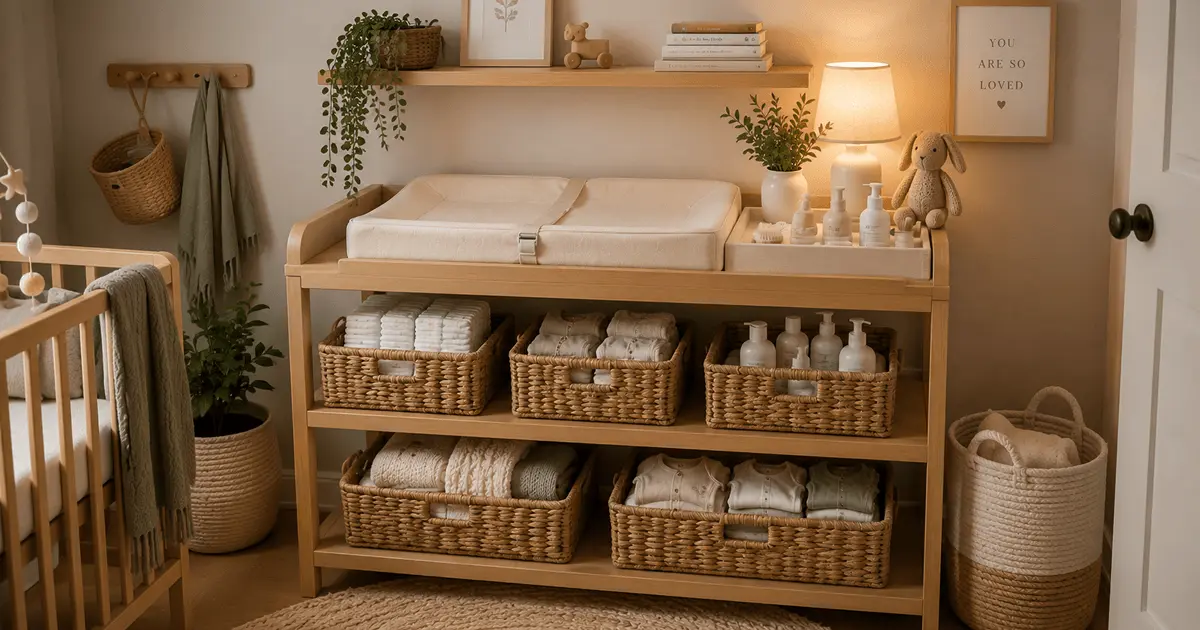
One of the most useful pieces you can buy is a dresser that doubles as a changing table. Ideally, it should be around waist height so you don’t have to bend over during diaper changes.
Adding a changing pad on top makes it more comfortable to use and much easier to keep clean.
Choose a dresser with at least three drawers so you can organize clothes, diapers, and baby care essentials separately.
If you have extra wall space, install a few floating shelves to keep books, toys, and everyday items within easy reach without cluttering the floor or other furniture.
It’s also worth thinking ahead. Choose storage furniture that can grow with your child, such as a dresser or wardrobe that can be expanded later with additional shelves or drawer units. This will save you money and prevent the need to replace everything in just a few years.
Closed cabinets and drawers offer another important benefit—they keep clothes, blankets, and other textiles protected from dust and allergens. That’s especially helpful if your baby has sensitive skin or allergies run in your family.
7.) Choose a Crib That Will Last for Years
Choosing a crib is one of the biggest decisions you’ll make when designing your nursery. While many models look similar at first glance, they can vary greatly in quality, durability, and functionality, so it’s worth taking the time to find one that fits your family’s long-term needs. A 47 × 24-inch (120 × 60 cm) crib is compact, budget-friendly, and ideal for smaller spaces.
However, most children outgrow it by the time they’re around two to three years old, meaning you’ll likely need to upgrade sooner. If you’re planning ahead, a 55 × 28-inch (140 × 70 cm) convertible crib is often a better investment. It can typically be used as a crib until around age three or three and a half, and many models later convert into a toddler bed or daybed, lasting until about six years of age.
Models with built-in storage drawers are especially practical during the early years when baby essentials seem to multiply overnight. Convertible nursery furniture is another popular option. Before buying, check whether the changing table can be installed on either side, as this can make a big difference when arranging the nursery.
If the crib later converts into a toddler bed, you’ll likely want to add a safety rail until your child becomes comfortable sleeping without the crib sides. The mattress is just as important as the crib itself. Choose one that offers good airflow, keeps its shape over time, and has a removable, washable cover. Finally, make sure the crib meets current safety standards, including proper slat spacing, so your baby’s arms or legs cannot become trapped.
Final Thoughts
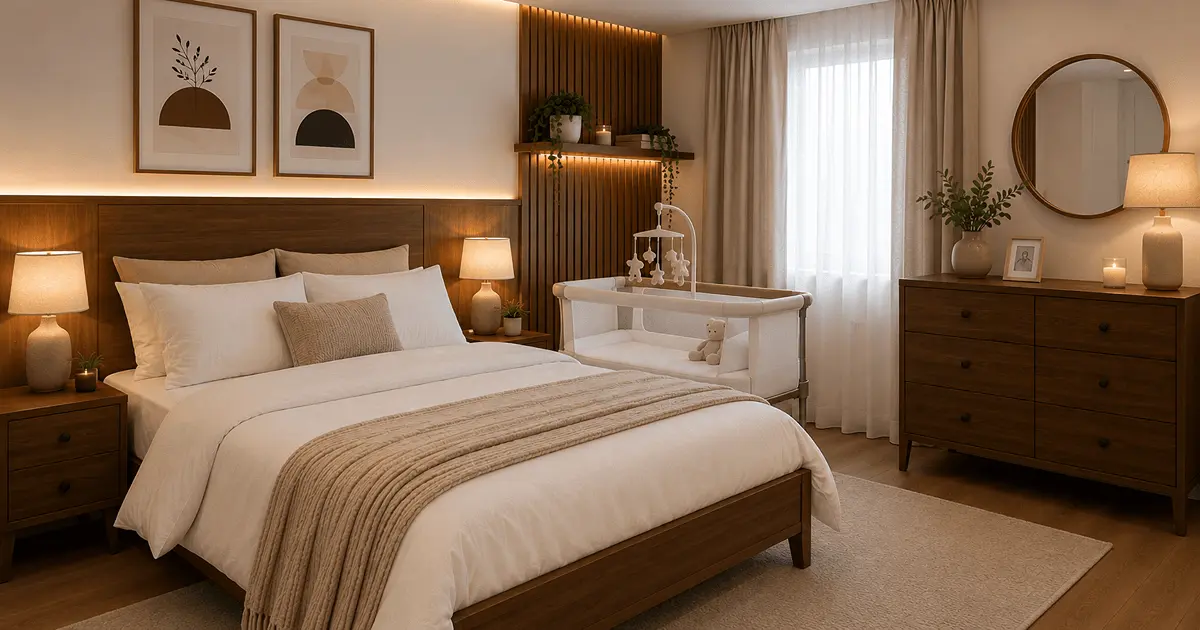
If you decide to keep your baby in your bedroom during the first few months, that’s a wonderful option too. Many families find that having a bedside bassinet or co-sleeper next to the parents’ bed makes nighttime feedings and comforting much easier. When the time feels right, your baby can transition to their own nursery.
The truth is, there’s no single “perfect” way to design a nursery. Your home’s layout, your family’s lifestyle, and your personal style will all shape the final result. If you’re working with a smaller space, don’t worry—you don’t have to fit every piece of baby furniture into one room.
Feeding, changing diapers, or soothing your baby can just as easily happen in your bedroom or another comfortable area of your home.
What matters most is creating a nursery that is safe, well-ventilated, comfortable, and practical. The rest can evolve naturally as your baby grows and your family’s daily routine begins to take shape.
Once you’ve covered the essentials, it’s time to enjoy the fun part—choosing the furniture, soft textiles, and little decorative touches that make the room feel special. After all, designing your baby’s nursery is one of the most exciting and memorable parts of preparing to welcome your little one into the world.
Frequently Asked Questions About Designing a Nursery
👉If you’d like to walk this journey feeling more prepared, more confident, and a little less worried, visit the Little Lifesavers page and explore our free downloadable resources. They’ll help you stay organized, plan ahead, and create the kind of calm and clarity you need most right now.
👉 And if you’re looking for a place that brings all of this together — real motherhood stories, everyday struggles, and gentle support — you’ll always find it on MomLifeStories.