

Newborn Care at Home – 5 Tips for New Parents in the First Days

Caring for a newborn is one of the most beautiful—yet also the most uncertain and sometimes even overwhelming—periods in a new parent’s life. When you bring your baby home, everything changes overnight—and it’s completely natural if a quiet question keeps coming back: “Am I doing this right?”
Newborn care is not something that instantly feels natural or perfect. It’s a process you slowly grow into—day by day—while you’re also becoming a new version of yourself. In those first days, everything is new. Everything is intense. And yes, sometimes a little scary. You’re learning to understand your baby, your own emotions, and at the same time adjusting to an entirely new rhythm.
Newborn care is not a test you have to pass perfectly from the start. It’s a learning process—one that gently shapes you into the parent you’re becoming. And when you feel unsure sometimes, it doesn’t mean you’re doing it wrong— it means you’re in it. Because this is what most mothers experience in the beginning: the questions, the doubts, the quiet “Am I enough?”
And somehow, almost without noticing, you begin to learn. At your own pace. With your own baby.
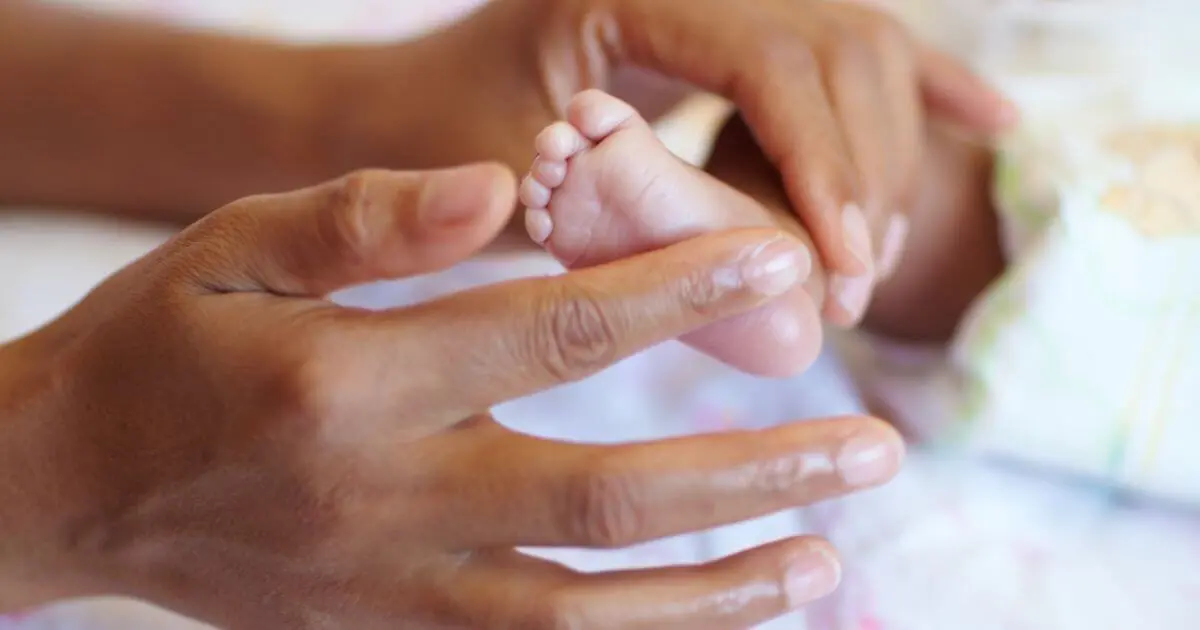
1.) Accepting Help Is Okay — So Is Protecting Your Boundaries
Newborn care isn’t just about your baby—it’s about you, too. Those first weeks can feel chaotic, exhausting, and emotionally overwhelming all at once. That’s why one of the most important things you can do is this:
allow yourself to accept help.
Family and friends are often eager to be there for you and lighten the load. And even if you don’t agree on everything, their experience can sometimes offer more support than you expect. At the same time, you’re learning something just as important: how to hold onto your own boundaries. If you’re not ready for visitors yet, it’s completely okay to say no. If you need quiet instead of advice, that’s okay too.
Newborn care also means creating a safe space—not just for your baby, but for yourself. Surround yourself with people who respect your needs, take hygiene seriously, and offer support in a way that truly feels right for you. Because in this season, help isn’t a luxury— it’s a real need.
👉 If visits are already starting to feel like too much—or you’re not sure how to handle the whole situation, it’s worth talking about it more openly. Read this next: Baby Visitors: Help or Burden? 5 Tips So They Don’t Add More Stress. It walks you through how to set your boundaries, say what you actually need, and turn visits into real support instead of extra pressure.

2.) From Uncertain Movements to Growing Confidence
Newborn care can feel intimidating at first—because babies really do seem fragile. But the truth is, you’ll start to figure it out faster than you think. Little by little, you’ll learn how to hold, move, and care for your baby in a way that feels safe and natural.
There are a few basic things worth keeping in mind:
This is where newborn care starts to feel real— when you’re no longer just doing the steps, but beginning to understand what your baby needs. And that’s the moment when confidence slowly begins to grow.

3.) Bonding, Soothing, and Your First Moments Together
Newborn care isn’t just about physical tasks—it’s just as much about emotional connection. Bonding begins in those very first days, and every gentle touch, every rock, every soft stroke matters. Skin-to-skin contact—when you place your baby on your chest—is one of the most powerful ways to build this connection. It doesn’t just calm your baby, but also helps regulate their heartbeat and breathing.
In a quiet, dimly lit space, with soft talking or gentle humming, you can create a safe, comforting environment where your baby can truly relax. When your baby is fussy, it’s often the simplest things that help: your voice, a familiar melody, or a slow, soothing movement. Some babies are more sensitive to light and noise, so in those moments, it helps to reduce stimulation and create a calmer space.
Swaddling can also be a helpful tool in the early weeks. It gives your baby a sense of security and can support relaxation. Just make sure it’s not too tight, and stop swaddling once your baby starts to roll. This is where newborn care becomes something deeper— when you realize it’s not always about fixing something. Sometimes, it’s simply about being there.

4.) Everyday Care: Diapering and Feeding
Newborn care quickly begins to revolve around simple daily routines. Diaper changes might feel intimidating at first, but they quickly become part of your everyday flow—especially since they can happen up to ten times a day. It helps to keep everything within reach and to always clean from front to back to protect your baby’s sensitive skin.
When it comes to bathing, there’s no need to overdo it—2–3 times a week is more than enough. In the early weeks, sponge baths are the safest option until the umbilical cord stump falls off and the area fully heals. During this time, it’s important to keep the area clean and dry, and if you notice anything unusual, it’s always best to check with a doctor.
Feeding can feel almost constant in the beginning, like there’s barely a break between sessions. Part of newborn care is learning to recognize your baby’s hunger cues—crying, sucking motions, or bringing their hands to their mouth. Most newborns eat every 2–3 hours, and it’s important to burp your baby during and after feeding, since they tend to swallow air easily.

5.) Sleep and Small Daily Rhythms
Sleep can feel unpredictable at first. A newborn may sleep up to 16 hours a day, but usually in short, broken stretches. For safety, always place your baby on their back to sleep, and keep the crib free from soft objects.
Newborn care doesn’t begin with a perfectly structured schedule. Instead, it’s built from small, repeating moments—feeding, soothing, resting, and starting again.
And over time, almost without noticing, these moments begin to shape your own rhythm together. It’s built from small, repeating moments—feeding, diaper changes, soothing, and starting all over again. In the beginning, the days can feel scattered and unpredictable.

But over time, almost without noticing, patterns start to emerge. You begin to understand your baby’s signals more clearly, and your responses grow more confident. And from these small, everyday moments, something bigger begins to take shape: your own rhythm together.
👉 If your baby’s sleep still feels unpredictable—or your days start blending into each other— you might want to understand what’s happening a little better. 👌 Read this next: Baby Sleep Schedule Secrets Every Tired Mom Should Know. It helps you make sense of your baby’s sleep patterns, spot early rhythms, and find a more gentle flow in your days.

A Gentle Reminder
The truth is, there will be uncertain moments. There will be tired days. But in between, there will also be those quiet, gentle moments when you suddenly realize: this doesn’t feel so unfamiliar anymore.
And almost without noticing, you reach a point where you’re no longer just “trying”… you’re actually doing it. Not perfectly— but in your own way. And maybe that’s what matters most: to be present, to pay attention, and to give yourself the time to find your own path in this new role.
👉And if you’re looking for gentle, real-life guidance beyond milestones — support that sees both your baby and you — you’ll find it on MomLifeStories.
👉If you’d like to walk this journey feeling more prepared, more confident, and a little less worried, visit the Little Lifesavers page and explore our free downloadable resources. They’ll help you stay organized, plan ahead, and create the kind of calm and clarity you need most right now.