

Introducing Solids Step by Step: What, When, and How to Feed Your Baby

In the first months, breast milk or formula provides everything your baby needs. And then, almost suddenly, you find yourself standing at the beginning of a new chapter: it’s time to start introducing solids. It’s exciting, a little overwhelming, and full of questions.
When should you begin introducing solids? Do you really need to wait until six months? And what should you offer first so the experience feels curious and positive — not stressful and tearful?
It’s important to understand that introducing solids is not about replacing breastfeeding or formula overnight. Instead, it’s a gradual learning process. Your baby is discovering new flavors and textures while also learning the “mechanics” of eating. This stage is about exploration, not perfection.
If you’d like clarity on what to introduce, when to offer it, and how to move forward with confidence, let’s walk through the key stages of introducing solids — step by step.

When Is Your Baby Ready to Start Introducing Solids?
In the United States, the American Academy of Pediatrics (AAP) and the CDC recommend exclusive breastfeeding or formula feeding for about the first six months of life. For most babies, around six months is the ideal time to begin introducing solids. That said, readiness is not based on age alone. While six months is the general guideline, the 4–6 month window may be appropriate only if your baby shows clear developmental signs of readiness. Introducing solids before four months is not recommended.
Watch your baby — their cues matter more than the calendar:
If these signs are present, your baby is likely developmentally ready to start solids. And here’s the key point: introducing solids does not replace breast milk or formula. During the first year, breast milk or formula remains the primary source of nutrition. Solid foods are meant to complement, not substitute, the liquid diet. Introducing solids is a gradual learning process — not a sudden transition.
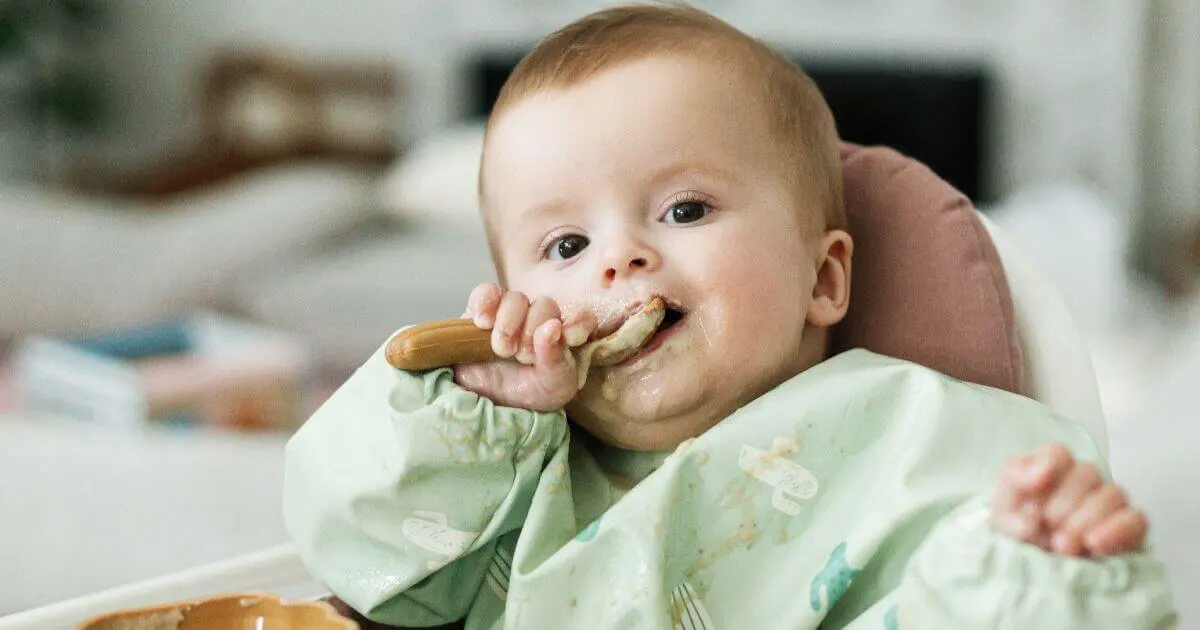
When and What Should You Start With?
It’s best to begin introducing solids when your baby is calm, not overly hungry, and not tired. Mid-morning is often ideal, since any reaction to a new food can be noticed more easily during the day. Two key principles shape current recommendations:
Start with iron-rich foods
Adequate iron intake is especially important at this stage. That’s why early foods should include options such as puréed meats (like chicken or beef) and iron-fortified cereals (such as oatmeal or rice cereal). Vegetables and fruits — including sweet potato, avocado, or carrot — are also appropriate, but iron plays a particularly important role in early feeding.
Introduce common allergens early — and safely
Gradually introducing foods like peanut, egg, fish, and soy around six months may help reduce the risk of developing food allergies. Peanuts should never be given whole. Instead, offer smooth peanut butter thinned with water, breast milk, or formula. When adding new foods, wait 3–4 days before introducing another new ingredient so you can monitor for any possible reactions.
The bottom line: Start when your baby is ready, prioritize iron, introduce allergens safely, and move forward gradually.

How to Progress Between 6–10 Months
When first introducing solids, one meal per day is enough. Start small — about 1–2 tablespoons — and increase gradually based on your baby’s cues. This stage is about practice and exploration, not volume. By 7–8 months, texture becomes especially important. Your baby needs exposure to thicker and slightly textured foods to support chewing and oral motor development.
Everything does not need to be fully puréed. Soft finger foods like steamed vegetable sticks or fork-mashed banana provide a safe and natural transition. Baby-Led Weaning (BLW) — where babies self-feed soft, graspable foods — has become increasingly popular. However, traditional purées are equally appropriate. The method matters less than safety, appropriate texture, and supervision.
By 9–10 months, most babies are ready for 2–3 solid meals per day, typically around 150–200 ml (or an equivalent portion). At this stage, many babies want to feed themselves — and that growing independence is a healthy and expected part of development. The key takeaway: Increase gradually, introduce texture on time, prioritize safety, and follow your baby’s lead. Introducing solids is a developmental journey, not a race.
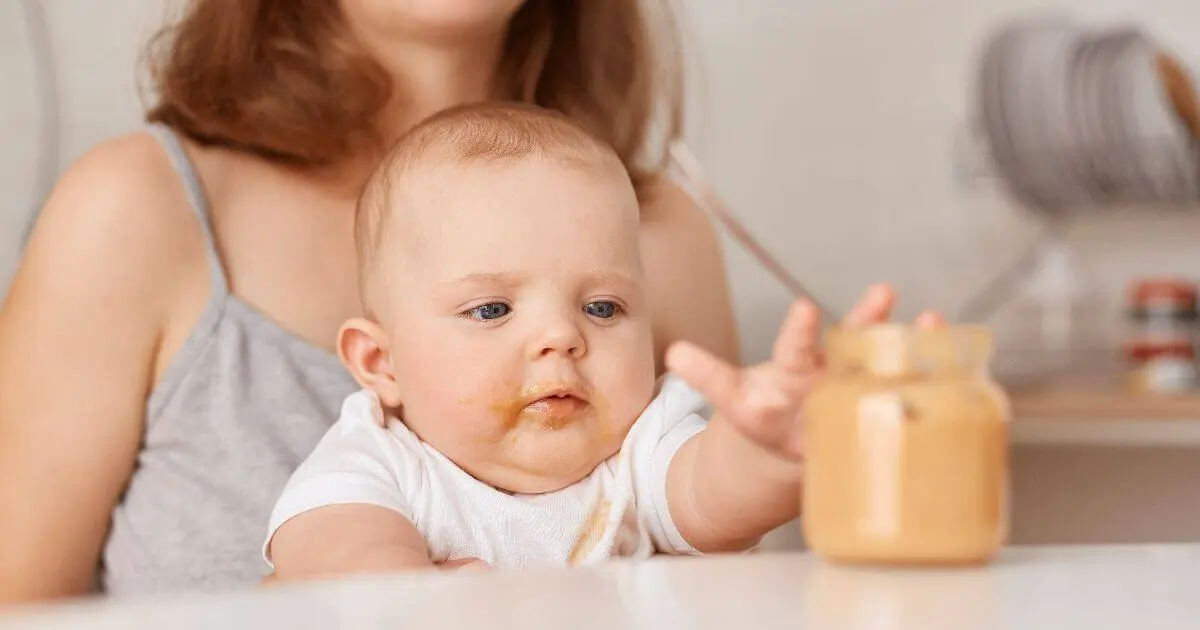
How to Prepare Your Baby’s Food Safely
When first introducing solids, smooth textures are easiest for your baby to manage. Puréed, mashed, or finely strained foods help your baby gradually adjust to new textures. In the beginning, coughing, gagging, or pushing food out is common — this is part of the learning process. As chewing skills and oral coordination develop, you can slowly introduce thicker and slightly textured foods. Texture progression supports development — but safety must always come first.
Some foods can pose a choking risk, so it’s essential to match texture to your baby’s developmental stage. Food should be soft enough to mash easily with a fork and dissolve in the mouth without much effort. Offer small portions, encourage slow eating, and always supervise your baby during meals.
Basic safety guidelines:
The key takeaway: Start smooth, progress gradually, and prioritize safety at every stage. Introducing solids isn’t just about nutrition — it’s about helping your baby safely learn how to eat.

10–12 Months: Becoming Part of Family Mealtimes
Around 10 months, most babies can handle a wider variety of textures safely. They can enjoy finely chopped pasta, fork-mashed rice, and well-cooked, soft vegetables — as long as foods are properly prepared to reduce choking risk.
It’s still important to avoid certain foods at this stage:
Breast milk or formula remains the primary source of nutrition throughout the first year. By 10–12 months, most babies have replaced about 3–4 meals per day with solids, but daily milk intake is still essential. Include your baby in family meals whenever possible. Sitting together in a stable high chair isn’t just practical — it’s part of the learning process. Babies learn by watching, imitating, and participating.
At this stage, introducing solids is no longer just about feeding. It’s about independence, texture exploration, new flavors, and shared family experiences.
Finally, remember: introducing solids is not a race.
Your baby’s unique developmental pace is what truly matters. Throughout the first year, breast milk or formula remains the primary source of nutrition, while solid foods simply complement it. Follow your baby’s cues, move forward gradually, and remember: these are general guidelines. Your pediatrician’s advice should always come first.

👉And if you’re looking for gentle, real-life guidance beyond milestones — support that sees both your baby and you — you’ll find it on MomLifeStories.
👉If you’d like to walk this journey feeling more prepared, more confident, and a little less worried, visit the Little Lifesavers page and explore our free downloadable resources. They’ll help you stay organized, plan ahead, and create the kind of calm and clarity you need most right now.