

Step-by-Step Guide: How to Swaddle Your Baby for Better Sleep
Swaddling has been helping soothe newborns and improve sleep for generations. If you’re new to this technique and wondering whether it’s worth trying, you’re in the right place. In this guide, we’ll walk you through how swaddling can help your baby sleep more peacefully and adjust more easily to life outside the womb.
Swaddling recreates the snug, secure feeling of the womb, which is why many newborns find it comforting. It can help reduce the Moro reflex, the sudden arm and leg movements that often wake babies from sleep. As a result, many newborns sleep longer and more soundly. Swaddling may also help maintain your baby’s body temperature and, when done correctly, can make back sleeping safer and more comfortable.

What Is Swaddling, and Why Does It Work?
The idea behind swaddling is simple: wrapping your baby snugly in a blanket or swaddle to help them feel secure and comfortable. It works so well because it recreates the warm, cozy, protected environment of the womb—the only world your newborn has known until now.
After birth, your baby is suddenly exposed to bright lights, unfamiliar sounds, and a constant stream of new sensations, while their arms and legs can move freely for the first time. For many newborns, this can feel overwhelming. During this transition period—often called the “fourth trimester”—swaddling can provide a sense of security and comfort. It gently surrounds your baby, helping them feel calm, supported, and safe, much like they did before birth.
One of the biggest benefits of swaddling is that it can help reduce the effects of the Moro reflex, also known as the startle reflex. This is the sudden jerking movement that often causes babies to throw out their arms and accidentally wake themselves up. By keeping their arms gently contained, swaddling can make it easier for babies to sleep longer and more peacefully.
And let’s be honest—when your baby sleeps better, everyone sleeps better.
When Should You Swaddle Your Baby—and When Should You Stop?
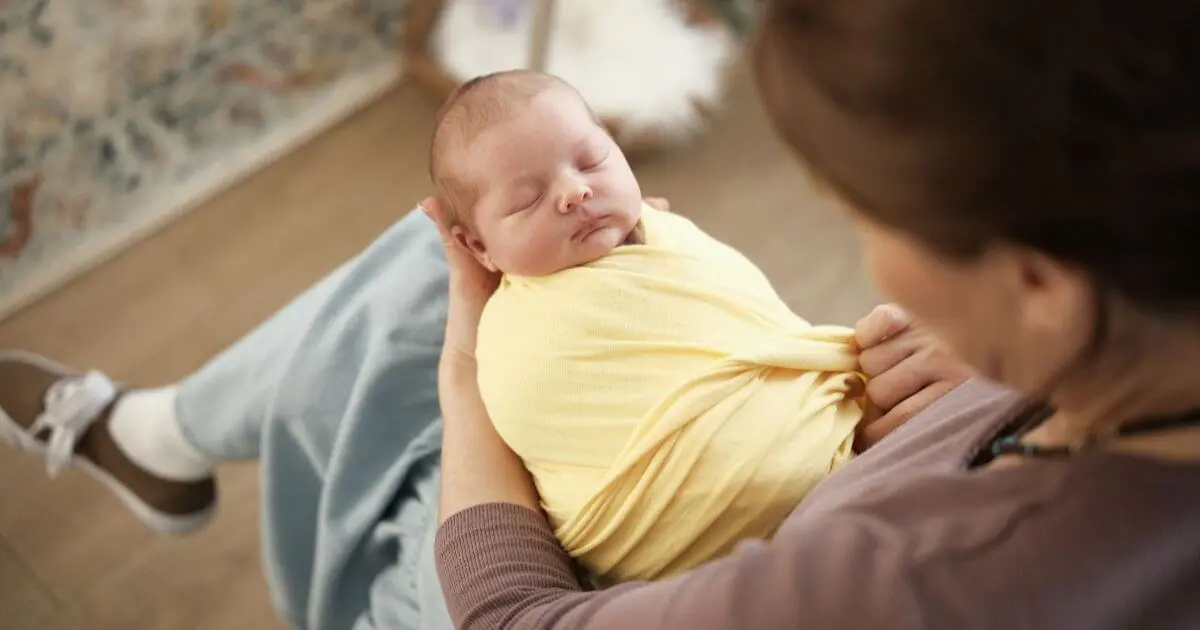
Swaddling can be used from birth and is generally recommended until your baby is around 2–3 months old. Once your baby starts showing signs of rolling over—or can already roll independently—it’s time to gradually transition away from swaddling. At this stage, babies need more freedom of movement to support their development and safety.
During the first few weeks of life, when the risk of Sudden Infant Death Syndrome (SIDS) is statistically highest, properly used swaddling can be especially helpful. However, it’s important that your baby is always placed on their back to sleep and that safe swaddling practices are followed.
Before making swaddling part of your daily routine, it’s a good idea to discuss it with your pediatrician. If your baby has any hip concerns or your doctor feels swaddling isn’t the right choice, don’t force it.
Every baby is different. What works wonderfully for one newborn may not be the best fit for another.
The Benefits and Potential Risks of Swaddling
For many newborns, swaddling can be incredibly soothing, helping them feel secure and sleep longer and more peacefully. Some parents also find that it provides comfort during fussy periods and helps babies settle more easily during the first few weeks of life.
At the same time, swaddling is not the right choice for every baby and should only be used with proper technique. A swaddle that is too tight may increase the risk of overheating, breathing difficulties, or interfere with healthy hip development. That’s why it’s important to allow plenty of room for your baby’s legs to move freely and to discuss swaddling with your pediatrician if you have any concerns.
The most important thing to remember is that swaddling is optional. If you choose to use it, always do so safely, follow your baby’s cues, and seek professional guidance when needed.
👉 If your baby struggles with gas, fussiness, or restless sleep, baby massage may be worth trying. Simple massage techniques can help relax your baby, ease tummy discomfort, and support more peaceful sleep.👉 How Can Baby Massage Help Relieve Gas Pain and Restless Sleep?

How to Swaddle Your Baby Step by Step
If you’re using a muslin blanket or swaddle blanket instead of a pre-made swaddle, don’t worry—it may feel a little awkward at first, but with a bit of practice, it quickly becomes second nature.
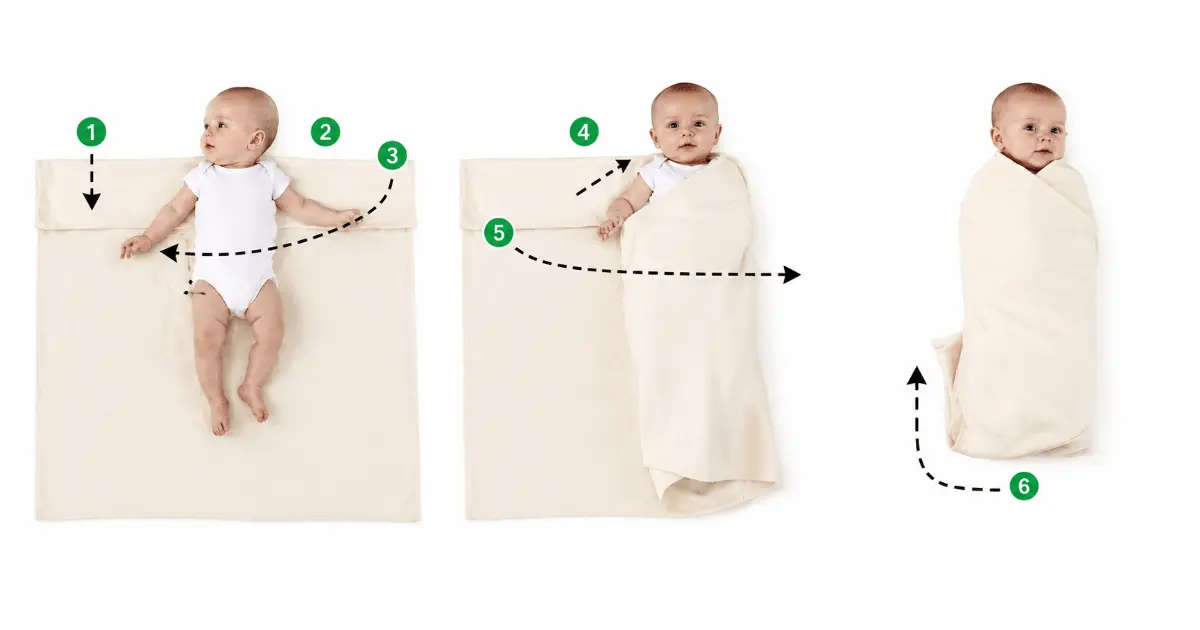
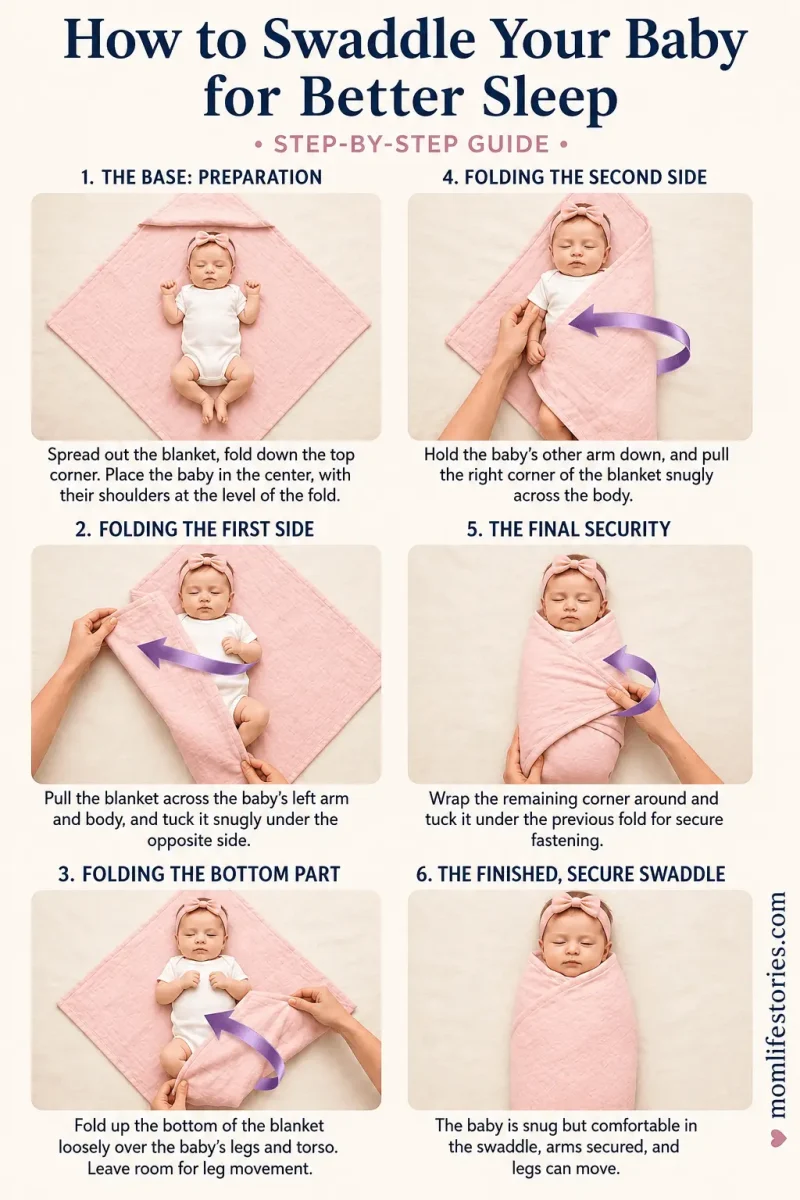
Start by laying the blanket flat on a smooth surface and folding the top corner down about 8 inches (20 cm). Place your baby on the blanket so that their shoulders line up with the folded edge. Gently position one arm alongside their body, then bring the same side of the blanket across their chest and tuck it securely under their back. Repeat the process on the other side.
Next, fold the remaining fabric up around your baby’s legs, making sure the swaddle feels snug but not tight. One of the most important safety rules is to leave enough room for your baby’s legs and hips to move freely. Your baby should be able to bend and straighten their legs naturally, as this is essential not only for comfort but also for healthy hip development.
Safe Swaddling: What You Need to Know
Swaddling is only beneficial when it’s done correctly. To keep your baby safe and comfortable, follow these important guidelines:
If swaddling feels awkward at first, don’t worry. Most parents need a little practice before they feel confident. Before leaving the hospital, ask your nurse, midwife, or healthcare provider to demonstrate the technique. They use it every day and can help you learn how to swaddle your baby safely and correctly.
👉Still not sure if you’re swaddling correctly? Sometimes seeing the technique is much easier than reading about it. This short video walks you through the swaddling process step by step and shows how to create a snug, safe wrap while allowing room for healthy hip movement.
Modern Swaddles: An Easier Option for New Parents
The good news is that you don’t have to master the traditional blanket-folding technique to enjoy the benefits of swaddling. Today, there are many modern swaddles designed specifically to make the process quicker and easier.
With features like Velcro closures, snaps, or zippers, these products require very little practice and can be a lifesaver during those exhausting first weeks of parenthood.
Modern swaddles follow the same basic principle as traditional swaddling—helping babies feel secure, comforted, and supported—but they do it in a much simpler way.
They can also reduce the risk of wrapping your baby too tightly, which is one of the most common concerns associated with traditional swaddling techniques.
For many parents, these ready-to-use swaddles offer a convenient and confidence-boosting alternative, especially during those sleep-deprived newborn days.
What Else Can Help Your Baby Sleep Better?
While swaddling can be helpful, your baby’s sleep environment matters too. A baby nest, for example, can provide a similar sense of comfort and security by creating a cozy, enclosed space. A crib mobile that plays soft music or white noise, gentle ambient lighting instead of bright lights, and a calm nursery decorated in neutral colors can all help your baby relax and settle into a more predictable sleep routine.
Swaddling isn’t a magic solution, and it’s certainly not a requirement. But if your baby responds well to it and you use it safely, it can be a valuable tool during those early newborn weeks. Give it a try, pay attention to how your baby reacts, and adjust as needed.
At the end of the day, no one knows your baby better than you do.
Frequently Asked Questions About Swaddling
👉If you’d like to walk this journey feeling more prepared, more confident, and a little less worried, visit the Little Lifesavers page and explore our free downloadable resources. They’ll help you stay organized, plan ahead, and create the kind of calm and clarity you need most right now.
👉 And if you’re looking for a place that brings all of this together — real motherhood stories, everyday struggles, and gentle support — you’ll always find it on MomLifeStories.