

Baby Teething: Symptoms, Pain, and What Really Helps
Baby teething is one of the first stages that can feel both like an exciting milestone and a real challenge for the whole family. It often brings a lot of questions: when does it start, what symptoms should you expect, why is your baby crying more, and how can you actually help?
Although baby teething is a completely natural process, it’s easy to get lost in the advice, information, and common myths—especially when your baby is fussier than usual, sleeping worse, and clearly uncomfortable. The first tiny tooth is a touching moment for many parents, but the days—or even weeks—leading up to it can feel especially difficult.
And no two babies are the same: for some, baby teething happens almost unnoticed, while for others it can mean several days of discomfort. That’s why it helps to know what’s considered normal, when it’s best to simply wait it out, and when it might be worth talking to a doctor.
When Does Baby Teething Start, and What Order Do Baby Teeth Come In?
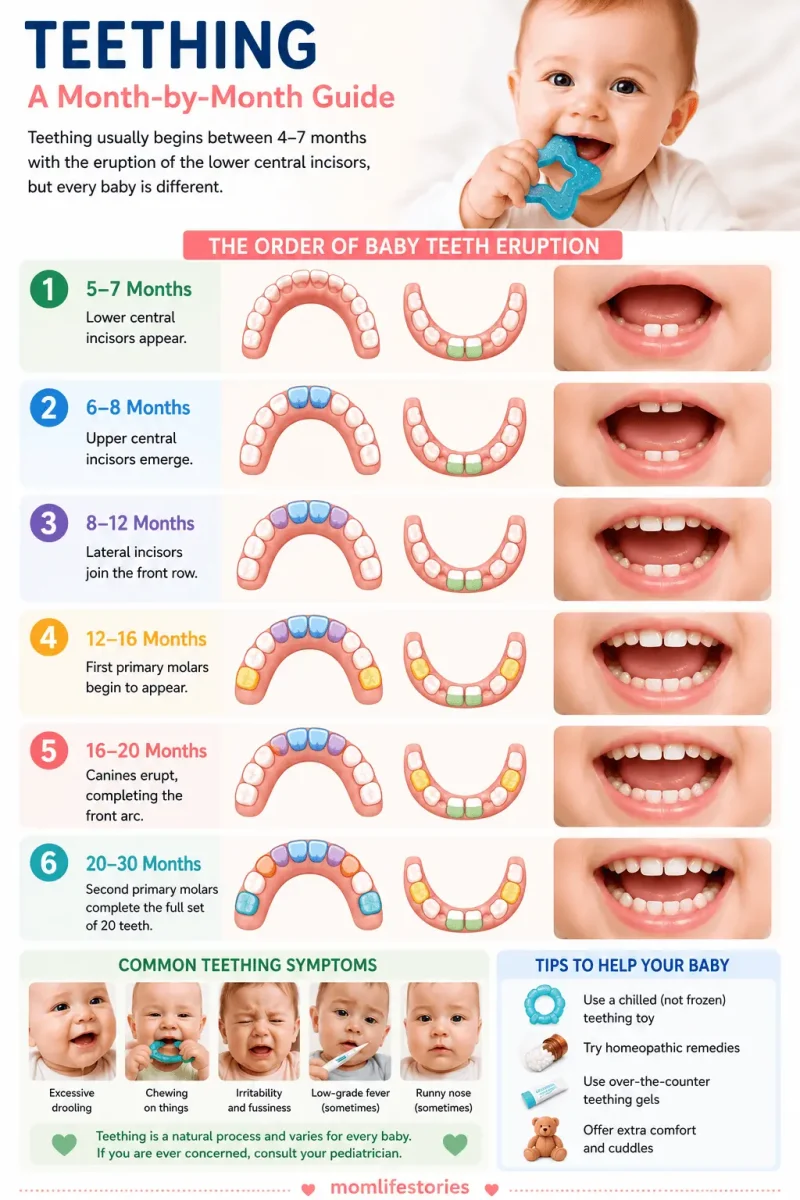
So when does baby teething actually begin? The truth is, there’s no single answer that applies to every baby. While the average starting point is around 6 months, it’s completely normal for the first tooth to appear as early as 3 months—or as late as 10–12 months. In most cases, genetics play a key role, which is why family patterns often repeat themselves.
What many parents don’t realize is that baby teeth don’t “form” when they appear. In fact, all 20 baby teeth are already present in the jaw at birth, along with the early foundations of permanent teeth. Baby teething simply means these teeth are pushing through the gums and becoming visible.
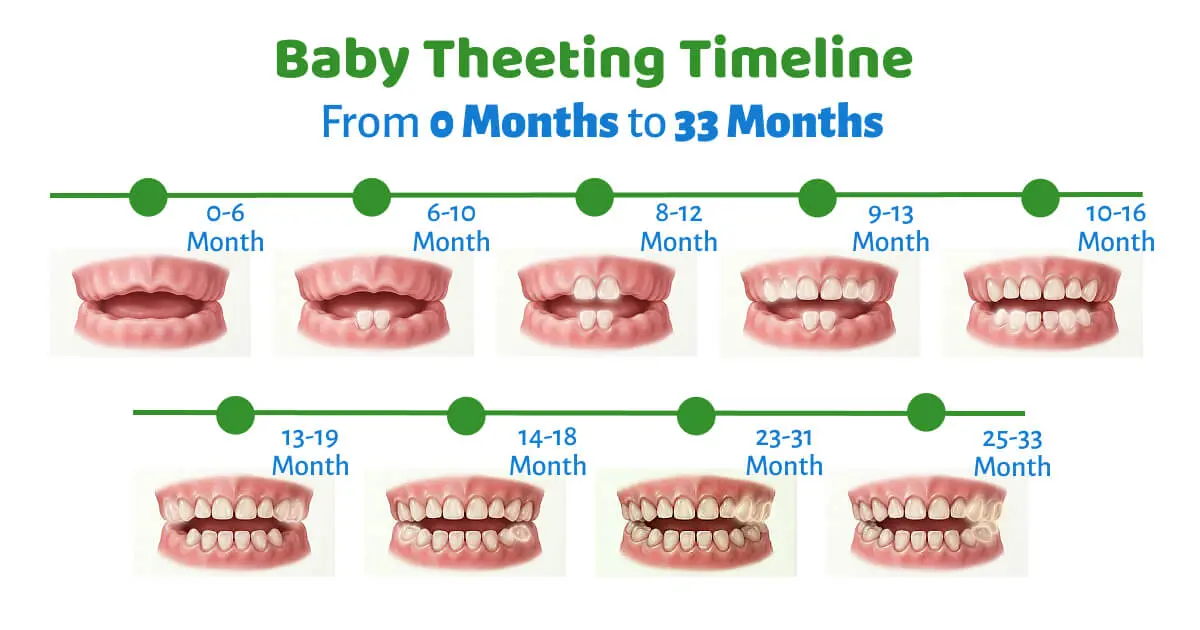
For most babies, the first teeth to appear are the lower central incisors, followed shortly by the upper central incisors. After that come the lateral incisors, the first molars, the canines, and finally the second molars. The full set of baby teeth is usually complete by age 2 to 3.
Although many parents worry most about the first tooth, it’s often not the most uncomfortable stage. In reality, the first and second molars tend to cause the most discomfort, as they are larger and emerge from deeper within the gums.
Baby Teething Symptoms – How to Know It’s Really Teething
Baby teething symptoms can vary a lot, and no two babies experience it the same way. For some, it happens almost unnoticed—just a bit of extra drooling and chewing. For others, it can mean more fussiness, disrupted sleep, and even a temporary drop in appetite. One of the most common signs is swollen, red, and sensitive gums.
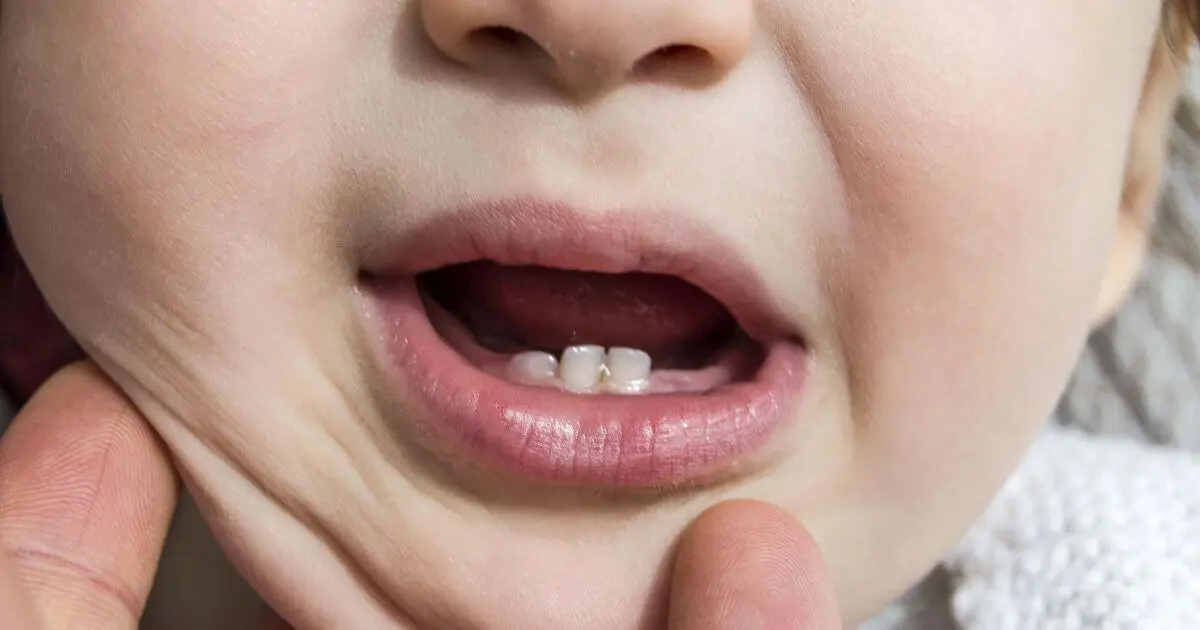
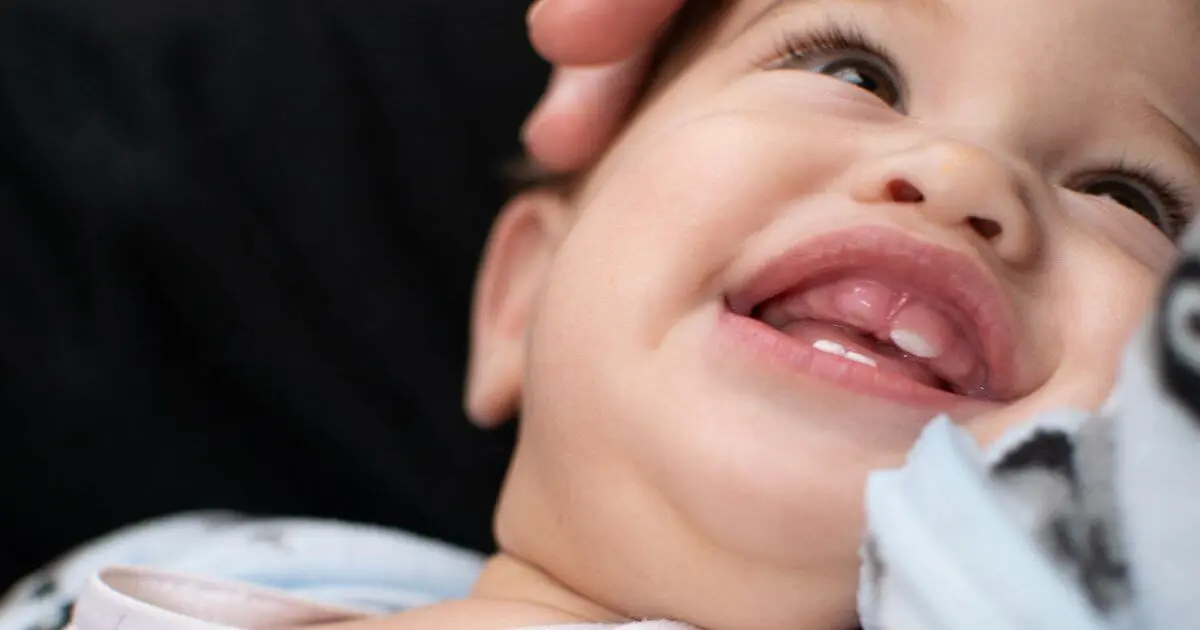
Sometimes, even before the tooth breaks through, you may notice a small white dot or thin line on the gum—this often means the tooth is very close and may appear within a day or two. A strong urge to chew is also very typical during this stage. Babies tend to put everything in their mouths—toys, their fingers, or even your hand—because the pressure helps relieve the discomfort in their gums.
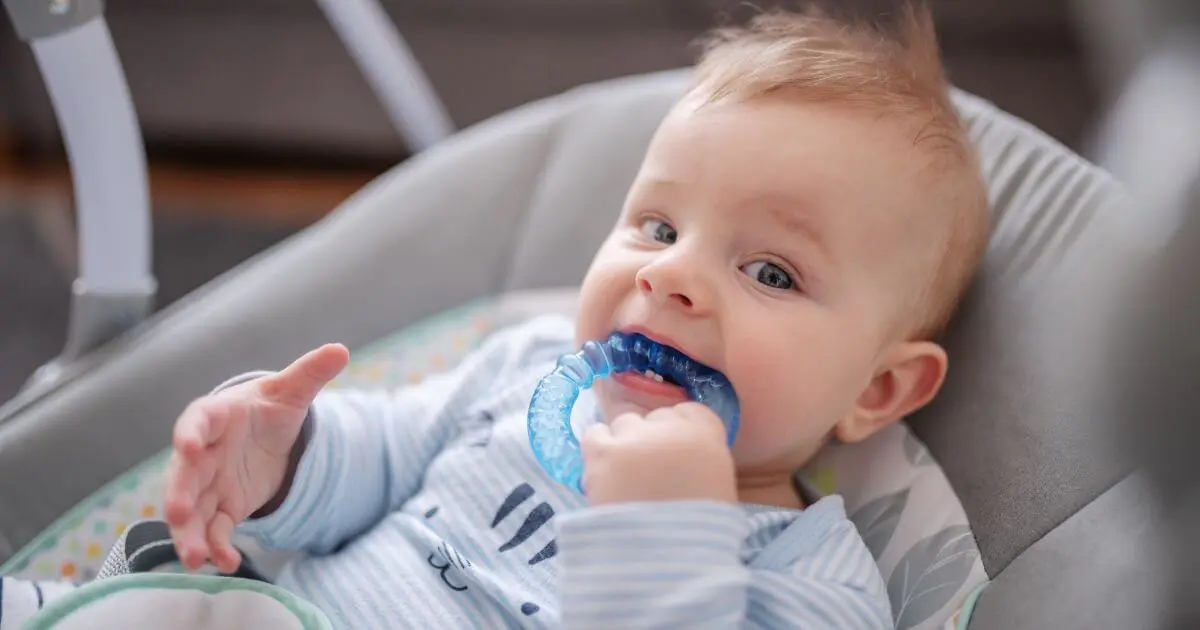
Increased drooling is also common, but it’s important to look at it in context. Babies’ salivary glands become more active as early as 2–3 months, so drooling alone is not a reliable sign of teething. However, when it appears together with fussiness, gum swelling, and intense chewing, it’s much more likely that baby teething is actually happening.
Many parents also notice what’s often called “teething cheeks”—when one side of the face becomes slightly flushed on the side where the tooth is coming in. Along with this, you might see ear pulling, face rubbing, temporary loss of appetite, or more restless sleep. The most active teething phase usually lasts 3–5 days, with 1–2 days being the most intense.
👉 Teething is just one of the many small (and sometimes challenging) milestones your baby goes through. In Baby Growth Milestones You Don’t Want to Miss: Celebrate Every Little Win, you’ll discover the key moments of your baby’s development—and why even the smallest changes matter more than you think.
What Teething Does NOT Cause
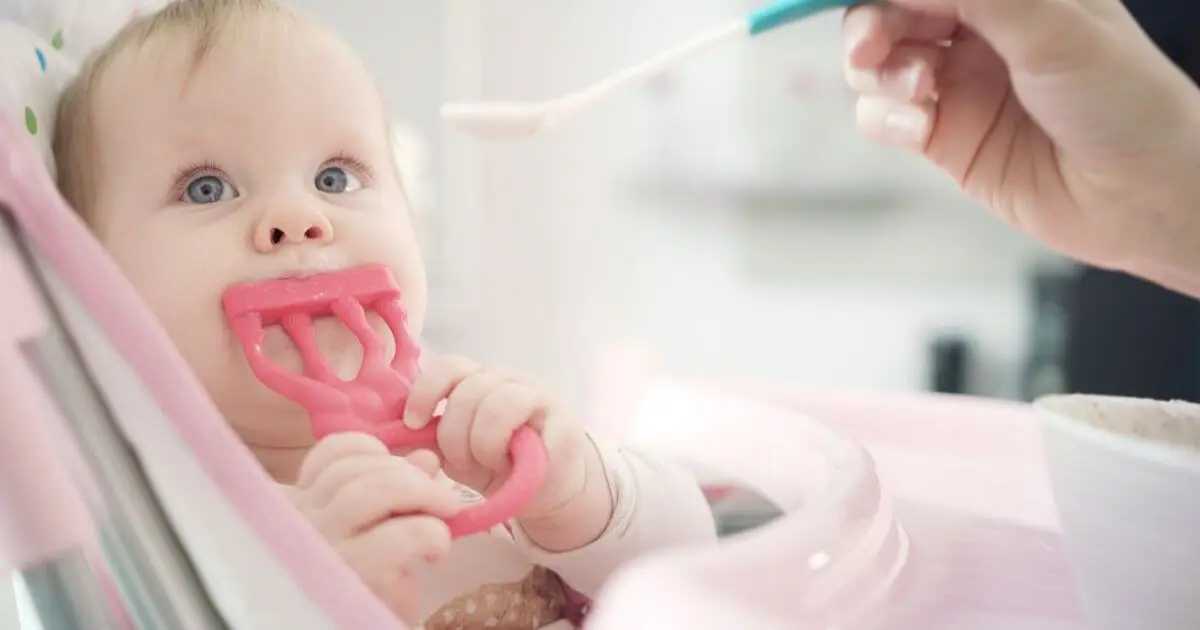
There are many myths around baby teething, and they often create more worry than the process itself. One of the most important things to understand is that baby teething does not cause a high fever above 38°C (100.4°F). Mild temperature elevation, fussiness, or feeling warm can happen, but if your baby has a true fever, seems unusually tired, or appears unwell, it’s much more likely to be an infection.
The same applies to diarrhea and vomiting. While increased drooling and putting objects in the mouth may slightly change stool consistency, severe or watery diarrhea is not a symptom of baby teething. A runny nose is also not a typical teething sign, although a mild, clear nasal discharge can occur due to increased circulation.
Another common myth is that the earlier the first tooth appears, the more developed the baby is. This simply isn’t true. The timing of tooth eruption has no connection to intelligence, motor development, or speech development. Both early and late baby teething can be completely normal.
How to Relieve Teething Pain and What to Feed Your Baby
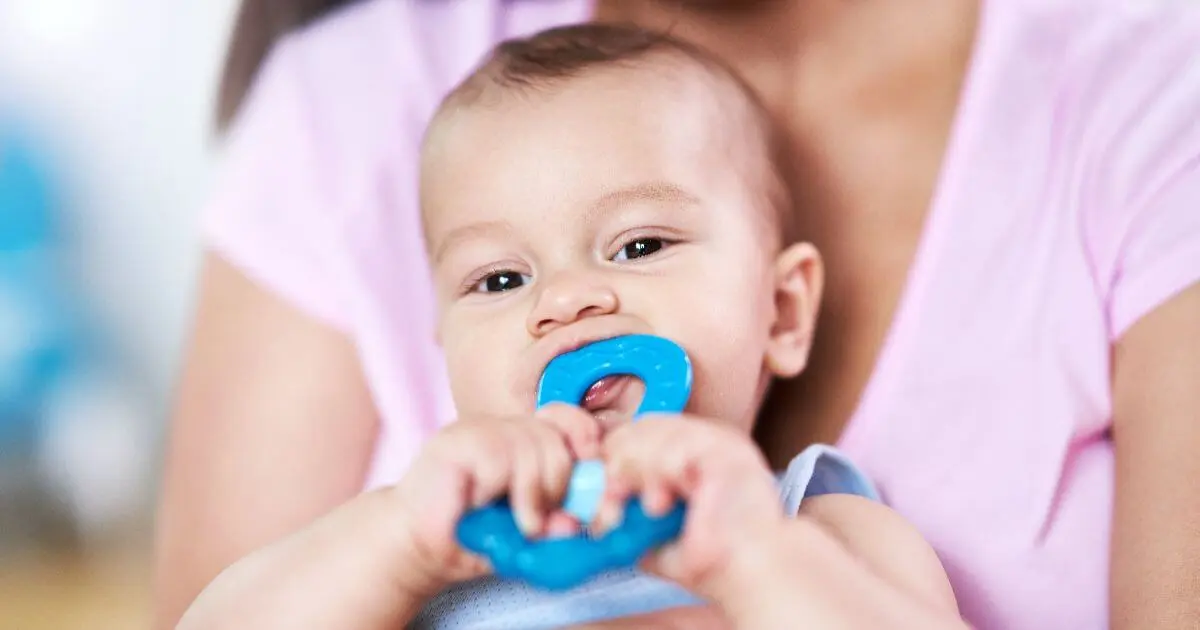
During baby teething, the most important thing is to find what truly works for your baby—because there’s no one-size-fits-all solution. In many cases, cooling works best: a chilled teether or teething toy can gently numb sore gums and bring relief. However, very cold or frozen items should be avoided, as they can feel too harsh and uncomfortable.
Gentle gum massage with a clean finger or a soft, damp cloth can also be very effective. Just as important is physical closeness—holding, rocking, or simply being there can often soothe your baby just as much as any technique. If the pain becomes stronger and your baby struggles to sleep or eat, pain relief can be considered in consultation with a doctor.
If your baby has already started solids, cool, soft foods are usually easier to accept during this time. Chilled yogurt, purees, or soft fruits can feel soothing, while hot, spicy, or hard foods are best avoided. And because of increased drooling, it’s also important to pay extra attention to hydration.
👉 Teething and starting solids often happen around the same time—and it can feel like a lot at once.
In Introducing Solids Step by Step: What, When, and How to Feed Your Baby, you’ll find simple guidance to help you move forward at your baby’s pace.

From the First Tooth to Tooth Loss – What to Watch for and When to Seek Help
As soon as the first tooth appears, it’s a good idea to start cleaning it. In the beginning, a soft, damp cloth or a finger toothbrush is enough, and later you can switch to a soft-bristled baby toothbrush. Under the age of two, water is usually sufficient, or at most a very small amount of baby-safe toothpaste. These early habits may seem small, but they are a long-term investment in your child’s oral health.
Baby teeth usually start to fall out around age 6, and the process of tooth replacement continues until about age 12. The order typically follows the same pattern as when the teeth first appeared, starting with the central incisors.
It’s a gradual process, and individual differences are completely normal. However, there are situations when it’s important to seek medical advice.
If your baby has a fever above 38°C (100.4°F), vomiting, severe diarrhea, appears unusually lethargic, or if the gums look heavily inflamed or infected, these are not typical signs of teething.
It’s also worth consulting a doctor if no teeth have appeared by 15–18 months. Teething can be a challenging and exhausting phase, but it is temporary. With a bit of patience, attention, and a few simple strategies, you can make this period easier for both of you. And even on the hardest days, it all leads to that first tiny toothy smile—which somehow makes everything feel worth it.
This article is for informational purposes only and does not replace professional medical advice. If you notice concerning symptoms, always consult a healthcare professional.
👉And if you’re looking for gentle, real-life guidance beyond milestones — support that sees both your baby and you — you’ll find it on MomLifeStories.
👉If you’d like to walk this journey feeling more prepared, more confident, and a little less worried, visit the Little Lifesavers page and explore our free downloadable resources. They’ll help you stay organized, plan ahead, and create the kind of calm and clarity you need most right now.